Shandong Xiangying New Materials Technology Co., Ltd.


Leave Your Message

What Are the Benefits of Using WPC Fence Panels in China?

WPC (Wood Plastic Composite) fence panels have gained traction in China due to their numerous benefits. According to Dr. Chen Wei, a respected expert in sustainable building materials, "WPC fence panels offer a perfect blend of durability and eco-friendliness." This statement reflects the growing importance of environmentally sustainable products in the construction industry.

WPC fence panels are not only robust and weather-resistant but also require minimal maintenance. Their manufacturing process incorporates recycled wood fibers and plastic, helping to reduce waste. Furthermore, WPC panels provide aesthetic versatility, allowing homeowners to choose from different styles and colors. However, the market is still developing. Some consumers may remain skeptical about longevity.

It is crucial for potential buyers to consider various factors before selecting WPC fence panels. While they promise durability, the quality may vary across manufacturers. Ensuring you purchase from a reliable source is essential. As China continues to embrace innovative building solutions, WPC fence panels stand out as a valuable option worth exploring.

What Are the Benefits of Using WPC Fence Panels in China?

Benefits of WPC Fence Panels in China: A Comprehensive Overview

WPC (Wood Plastic Composite) fence panels are gaining traction in China due to their unique blend of durability and aesthetic appeal. Unlike traditional wood, WPC is resistant to rotting, warping, and insects. Reports indicate that WPC products can outlast wood by over 15 years in harsh weather conditions. This longevity is appealing for homeowners seeking low-maintenance solutions.

Incorporating WPC fence panels can enhance property value while providing a modern look. The material is often available in a variety of colors and finishes, allowing customization to suit diverse architectural styles. According to a recent industry study, the demand for WPC materials in the fencing market has grown by 25% annually. However, issues like inconsistent color and texture can arise in lower-quality products, leading to potential dissatisfaction. Homeowners should prioritize quality assessments when selecting WPC options.

Sustainability is another compelling benefit of WPC fence panels. These panels are made from recycled materials, reducing waste. Some reports suggest WPC production can decrease timber demand by 30%. This shift not only conserves forests but also lowers carbon footprints. Nevertheless, the piece's initial production process can be energy-intensive. This raises questions about balancing eco-friendliness and efficiency in manufacturing.

What Are the Benefits of Using WPC Fence Panels in China?

Benefit Description
Eco-Friendly Made from recycled materials, WPC fencing is a sustainable option.
Durability Resistant to rot, decay, and pests, ensuring a long lifespan.
Low Maintenance Requires minimal upkeep compared to traditional wood fences.
Aesthetic Appeal Available in various colors and textures, enhancing outdoor aesthetics.
Weather Resistance Withstands harsh weather conditions, suitable for diverse climates.
Cost-Effective Comparatively lower installation and maintenance costs over time.
Versatility Applicable for various environments including residential, commercial, and industrial uses.

Durability and Weather Resistance of WPC Fencing Materials

WPC, or wood-plastic composite, has gained popularity in China for outdoor fencing. Its blend of wood fibers and plastic materials makes it a strong choice. One major advantage is its durability. Unlike traditional wood, WPC is resistant to rotting and splintering. This ensures a longer lifespan, reducing the need for frequent replacements.

Weather resistance is another key benefit. WPC fence panels perform well under varied conditions. They can withstand intense sun, heavy rains, and freezing temperatures. Unlike wood, which can warp or crack, WPC maintains its shape. This reliability makes it suitable for different climates across China. However, it is worth noting that low-quality WPC may still face challenges, such as discoloration or a lack of sturdiness.

Installing WPC fencing can be straightforward. Yet, proper maintenance is still crucial. Occasional cleaning helps maintain its appearance and performance. While WPC offers considerable advantages, not every product meets high standards. Buyers should do their research to ensure they purchase quality materials. These considerations are essential for achieving the best outcome with WPC fencing.

Cost Analysis: Long-Term Savings with WPC Fence Panels

When considering fence materials, WPC (Wood-Plastic Composite) panels stand out in terms of long-term cost benefits. According to a recent industry report, installation and maintenance costs for traditional wood fences can add up significantly over time. In contrast, WPC fence panels require less maintenance, leading to potential savings of up to 30% over a 10-year period.

WPC panels resist rot and insect damage better than wood. This durability translates to longer lifespans, generally exceeding 25 years. Many property owners find this feature reassuring, as frequent replacements can strain finances. The initial investment may be higher than wood, but the lifetime savings are substantial. Lack of regular painting or sealing further simplifies upkeep.

It’s important to acknowledge that not all WPC products are equal. Some lower-quality options might not deliver the promised durability. Research indicates that not understanding material grades can lead to unexpected costs. Consumers should focus on products backed by reliable certifications. Selecting a reputable supplier can mitigate risks associated with inferior WPC materials.

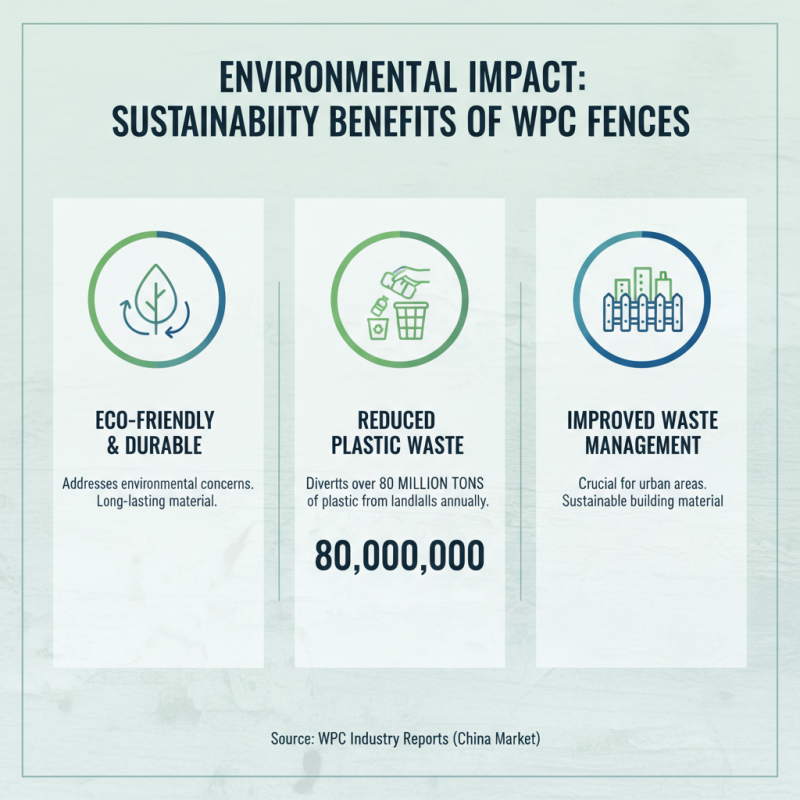
Environmental Impact: Sustainability Benefits of WPC Fences

What Are the Benefits of Using WPC Fence Panels in China?

WPC (Wood-Plastic Composite) fence panels offer significant sustainability benefits, particularly in the Chinese market. The growing concern over environmental issues has led to a demand for materials that are eco-friendly and durable. Reports indicate that WPC products can reduce plastic waste significantly. In fact, using WPC can divert over 80 million tons of plastic from landfills every year, a crucial factor for cities grappling with waste management.

These panels are composed of recycled wood fibers and plastic, which means they reduce deforestation and minimize environmental footprint. A study by the National Renewable Energy Laboratory found that WPC can save up to 50% in energy consumption when compared to traditional materials. Additionally, WPC fences can last over 20 years with minimal maintenance, thus providing long-term benefits for consumers and the environment alike.

However, there are challenges in producing WPC materials sustainably. The sourcing of raw materials must be managed responsibly to avoid contributing to carbon emissions. Not all manufacturing processes are equally green, and some factories may still rely on fossil fuels. Consumers need to vet products based on their environmental certifications. Understanding the lifecycle of WPC materials is crucial for making informed purchasing decisions.

Aesthetic Flexibility: Design Options for WPC Fence Panels in Urban Areas

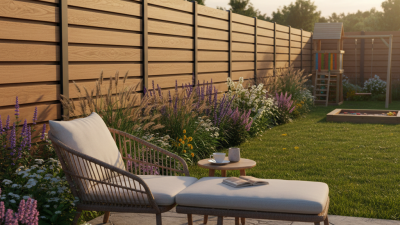
WPC (Wood-Plastic Composite) fence panels have become increasingly popular in urban areas of China. Their aesthetic flexibility is a standout feature. These panels can mimic the look of natural wood while being available in various colors and styles. Homeowners can choose designs that match their landscape and architectural themes. This versatility makes WPC fences suitable for contemporary homes and traditional designs alike.

Urban environments often face unique challenges, such as noise and pollution. WPC fences provide a stylish solution while serving practical purposes. They not only enhance privacy but also create a barrier against urban noise. However, it is important to consider the installation process. Selecting the right panel option requires careful planning and awareness of maintenance. Some individuals may find the learning curve challenging, but the long-term benefits are worth the effort.

There’s a tendency to overlook the importance of the installation environment. Not all WPC panels perform equally in different weather conditions. Urban areas can experience extreme temperatures and high humidity. Reflecting on specific local conditions can be essential for making the right choice. Engaging with experienced contractors can provide insights. They can help navigate the available options effectively. Being informed leads to better aesthetic and functional outcomes.

Benefits of WPC Fence Panels in Urban Areas