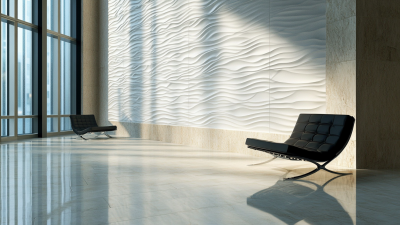
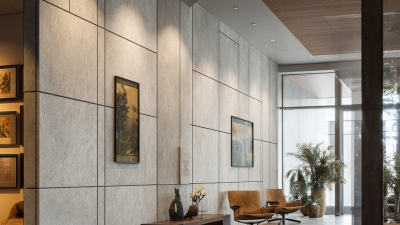
Best Veneer Wall Panels for Your Home Decor Needs?
Veneer Wall Panels can transform your home decor in an elegant way. These panels offer a blend of aesthetics and functionality. With countless designs available, they provide warmth and texture to any space.
Choosing the right Veneer Wall Panels requires some thought. You want to consider your overall decor style. Not all panels suit every home environment. Some may clash with existing furniture or color schemes. Each choice carries an impact on your living space.
Authentic materials can be pricey. However, the investment often pays off with longevity. It is essential to remember that not every panel is created equal. Researching before purchasing is crucial. This will ensure you select panels that truly reflect your style and needs.
What Are Veneer Wall Panels and Their Benefits for Home Decor?
Veneer wall panels are a popular choice for home decor. They are made from thin slices of real wood, bonded to a substrate. This process gives you the beauty of wood without the cost. Many homeowners appreciate how veneer panels add warmth and sophistication to their spaces.
One major benefit is versatility. They come in a variety of finishes, colors, and textures. This allows you to match your interior style easily. Whether you prefer modern or rustic, there's something for everyone. Additionally, veneer panels are lighter than solid wood, making them easier to install. However, it's important to consider that veneer can be damaged more easily than solid wood. It may require care to maintain its appearance over time.
Another aspect to reflect on is eco-friendliness. Veneer panels use less wood than solid products, making them more sustainable. Choosing veneer can contribute to environmental conservation. However, not all veneer panels are created equal. Quality varies greatly among manufacturers. Always research and choose wisely to ensure durability and a beautiful finish.
Types of Veneer Wall Panels: Natural, Reconstituted, and Decorative Options
When choosing veneer wall panels, consider the different types available: natural, reconstituted, and decorative options. Natural veneer panels come from real wood. They bring warmth and authenticity to your space. The grain patterns are unique, offering a rustic charm. However, they may require more maintenance to keep them looking pristine.
Reconstituted veneer panels, on the other hand, are designed for consistency. Made from various wood fibers, they provide a uniform appearance. They're often more affordable than natural options. This type is great for contemporary designs. If you desire a sleek look without the unpredictability of natural wood, reconstituted panels can be ideal.
Decorative veneer panels add a layer of creativity to walls. With a vast range of designs, colors, and textures, they allow for personal expression. You can create an accent wall that stands out or blends harmoniously with your decor. However, it’s essential to choose high-quality options to prevent peeling or fading.
**Tips for Selection:** Measure your space carefully before purchasing. Look for panels that complement your existing decor, but also challenge your style. Don’t hesitate to experiment with textures and colors. These bold choices can redefine an area. Use contrasting patterns for a dynamic look, but be mindful not to overwhelm the space.
Veneer Wall Panel Types and Preferences
Key Factors to Consider When Choosing Veneer Wall Panels for Your Home
When selecting veneer wall panels for your home, consider various essential factors. The type of wood veneer is crucial. Different species provide distinct aesthetics. Some offer warmth, while others appear modern. Always think about the texture as well. A smooth surface might suit contemporary designs, whereas a rough finish could enhance rustic themes.
Evaluate the installation process as well. Some panels require specialized tools and skills. This might increase your overall cost. Think about the long-term maintenance too. While veneer is durable, it may need sealing or refinishing depending on your environment. Be realistic about your lifestyle. If you have pets or children, choose options that can withstand wear and tear.
Cost is another vital aspect. High-quality veneer can be expensive. However, the investment often pays off in longevity and appearance. Explore various thicknesses available. Thicker panels tend to be more durable but can complicate installation. It’s also important to consider eco-friendliness. Sustainable sources may be more appealing. All these points require deep reflection to make an informed decision.
Industry Insights: The Popularity and Market Trends of Veneer Wall Panels
Veneer wall panels have gained considerable popularity in recent years. They combine natural aesthetics with modern design. Homeowners appreciate their ability to create warmth and sophistication. This trend is part of a larger movement toward sustainable and eco-friendly materials in home decor. Consumers today seek products that are not only beautiful but also environmentally responsible.
Tips: Consider the thickness of veneer. Thicker panels often offer better durability. Pay attention to the grain patterns as well. Unique textures can enhance the visual appeal of any room.
Market insights reveal a shift toward non-toxic finishes in veneer products. Homeowners are increasingly concerned about indoor air quality. This trend reflects a broader commitment to wellness in home environments. Durability is also crucial; many are opting for panels that resist moisture and wear over time.
Tips: Test samples in your space. Lighting can dramatically change the appearance of wood. Don’t rush your decision; living with a sample can provide valuable perspective.
Best Veneer Wall Panels for Your Home Decor Needs
| Type of Veneer |
Thickness (mm) |
Finish Options |
Average Cost ($ per sqft) |
Sustainability Rating |
| Natural Wood Veneer |
3 |
Matte, Glossy |
12 |
High |
| Reconstituted Veneer |
5 |
Satin, High Gloss |
10 |
Medium |
| Backed Veneer |
2 |
Embossed, Laminated |
15 |
Low |
| Wood Laminate |
8 |
Textured, Smooth |
8 |
Medium |
| Bamboo Veneer |
4 |
Natural, Stained |
14 |
High |
Installation Techniques and Maintenance Tips for Veneer Wall Panels
Veneer wall panels offer a beautiful touch to any home decor. Installing them requires attention to detail. Begin by preparing the wall surface. It should be clean, dry, and smooth. Use a level to ensure that the panels are installed evenly. Misalignment can lead to an unprofessional look.
When applying adhesive, don’t rush. Apply it evenly and follow the manufacturer’s guidelines. Allow for adequate drying time before moving on to the next panel. This step prevents panels from shifting during installation. During the process, small errors may occur. A gap here or there can be frustrating, but it’s essential to keep a clear perspective. Often, these small imperfections can be camouflaged with trim.
Once installed, maintenance is key to longevity. Dust the panels regularly to maintain their sheen. For deeper cleaning, use a damp cloth and mild cleaner. Avoid abrasive materials; they can damage the surface. Observe any wear and tear. Addressing them early saves time and effort later. Remember, veneer panels can add charm, but they require care to remain attractive.

 Hot Selling