Best WPC Board for Your Construction Needs in China?
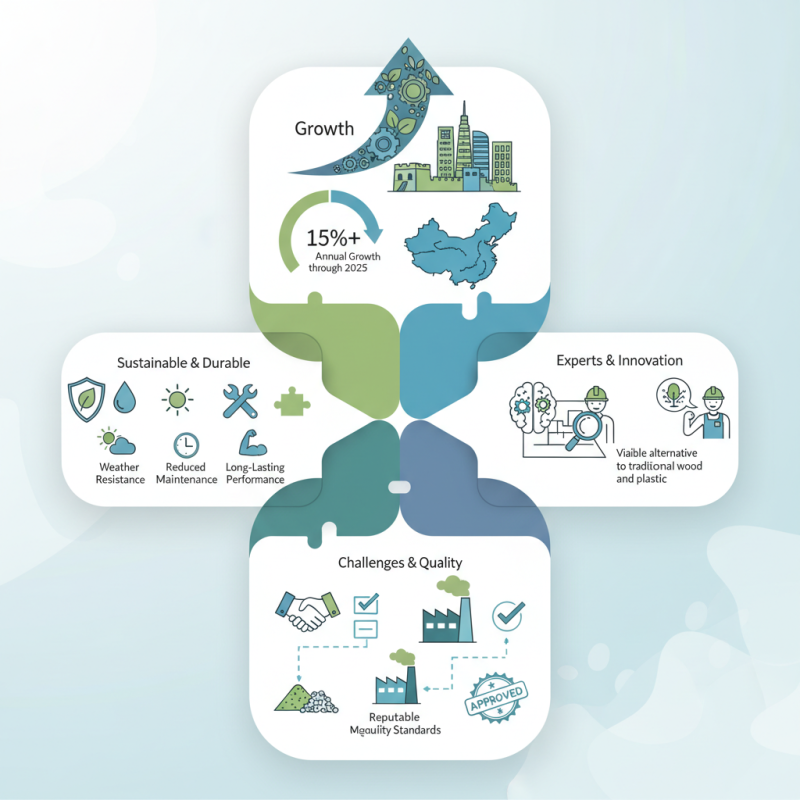
In the rapidly evolving construction industry in China, the demand for WPC boards has surged. According to a recent report by the China Plastics Processing Industry Association, the WPC board market is expected to grow by over 15% annually through 2025. This growth is driven by the increasing need for sustainable and durable construction materials. Experts are recognizing WPC boards as a viable alternative to traditional wood and plastic products.
Dr. Li Wei, a leading expert in the WPC industry, noted, “The adaptability of WPC boards makes them an excellent choice for modern construction.” His assertion reflects the industry’s acknowledgment of the benefits these boards offer. WPC boards provide weather resistance, reduced maintenance needs, and long-lasting performance, making them ideal for various applications.
However, challenges remain in material sourcing and manufacturing processes. Not all WPC boards meet the same quality standards. It is crucial for builders and contractors to select boards from reputable manufacturers. This proactive approach ensures that they achieve the best results in their construction projects.
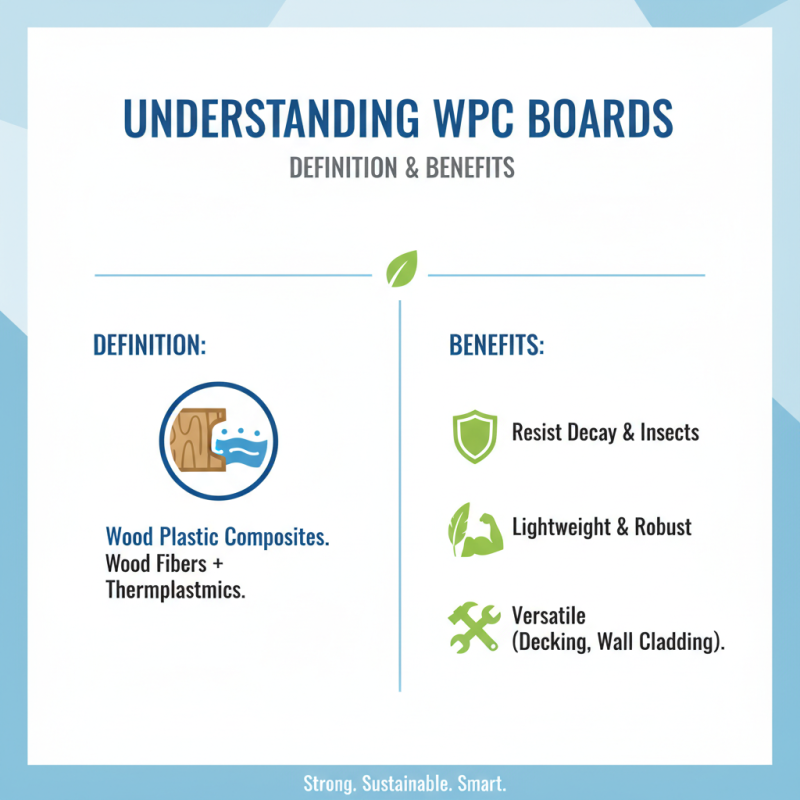
Understanding WPC Boards: Definition and Benefits
WPC boards, short for Wood Plastic Composites, offer remarkable strength and versatility for construction projects. These boards combine wood fibers and thermoplastics, resulting in a material that resists decay and insects. They are lightweight yet robust, making them suitable for various applications, from decking to wall cladding.
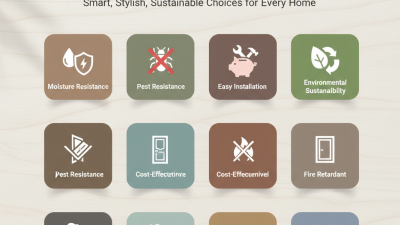
The benefits of WPC boards extend beyond durability. They require less maintenance compared to traditional wood. Their resistance to moisture makes them an excellent choice for humid environments. However, not all WPC boards are created equal. Some may warp or fade over time if poorly manufactured. It's essential to carefully assess quality and composition before purchasing.
Moreover, WPC boards contribute to sustainable practices. Recycled materials often make up a significant portion of their composition. This eco-friendly aspect appeals to many builders and architects today. Yet, awareness of their limitations is crucial. For instance, while WPC can mimic the look of wood, achieving a completely natural appearance can be challenging. Understanding both advantages and drawbacks leads to informed decisions in construction projects.
Types of WPC Boards Available in the Market
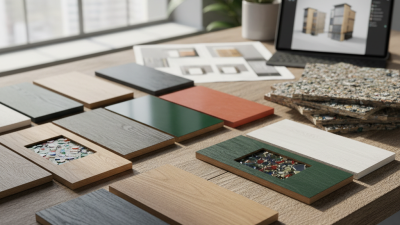
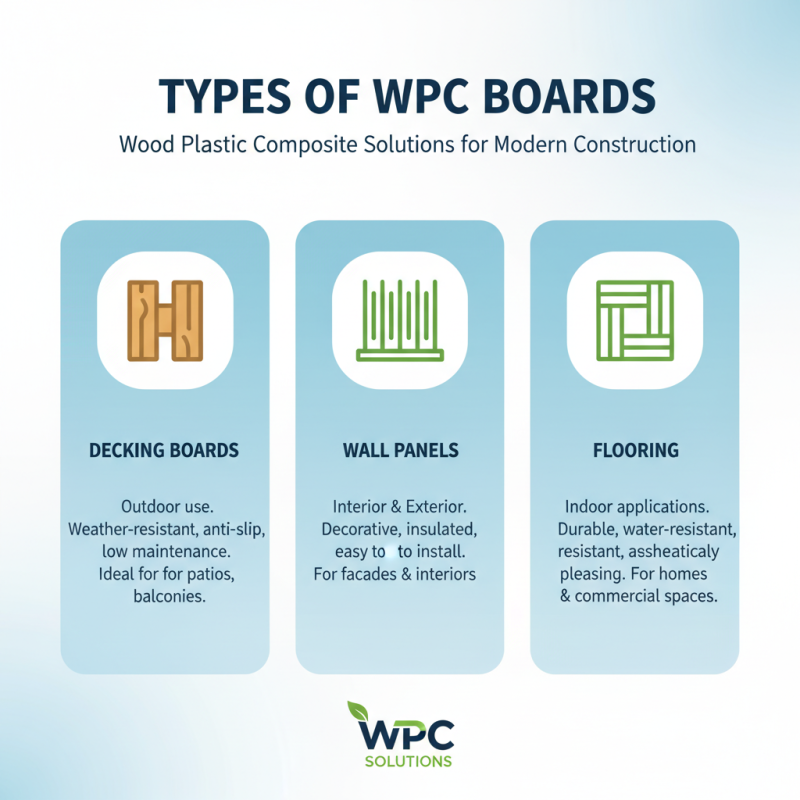
When exploring the types of WPC boards available in the market, it's essential to understand their unique features. WPC boards, made from wood and plastic composites, are popular for various construction applications. They come in several types, including decking boards, wall panels, and flooring. Each type serves a different purpose and has distinct characteristics.
Decking boards are ideal for outdoor use. They resist moisture and don’t warp easily. These boards are often textured for safety. Wall panels offer aesthetic appeal and insulation. They can mimic the look of wood without the maintenance concerns. Flooring options provide durability and comfort underfoot. They cater to high-traffic areas and are easy to clean.
Tips: When choosing WPC boards, consider the environment. Look for options that suit your climate. Check for certifications that ensure quality and durability. Not all boards are created equal, so research before purchasing. Remember, even the best products may have limitations. Reflect on your specific needs and expected usage. Quality vs. cost is a common dilemma; balance both wisely.
Factors to Consider When Choosing WPC Boards for Construction
When selecting WPC boards for construction projects, understanding their composition is crucial. WPC, or wood-plastic composite, combines wood fibers with plastic polymers. This mixture provides durability and resistance against moisture. However, the quality can vary based on the sourcing of materials. Ensure the WPC boards have a good balance of both.
Consider the intended use of the boards. Will they be used for decks, fences, or interior applications? Each use may require different specifications. For decks, for instance, you'll want boards that can withstand heavy foot traffic and UV exposure. Texture is another important factor. A rough texture can offer better grip and safety, but it may be harder to clean. It's always wise to gather samples and test them before making large purchases.
Lastly, look into the manufacturer’s reputation. Are they known for quality? Reading reviews can provide insights, but remember that experiences can differ widely. Transparency about materials used is key. A reliable manufacturer should be open about the specifics of their boards. Do not hesitate to ask questions. This process can highlight both strengths and weaknesses in the options available.
Top Manufacturers of WPC Boards in China
When exploring the WPC board market in China, it’s crucial to identify leading manufacturers. The WPC (Wood Plastic Composite) industry has seen significant growth, driven by increased demand for sustainable and durable materials. Reports indicate that the global WPC market is expected to reach USD 9 billion by 2025. This growth highlights the importance of finding reliable suppliers in China, where many top manufacturers are located.
Many manufacturers produce high-quality WPC boards ideal for various applications. Key factors to consider include the composition and production process. The choice of wood flour and polymer matters. Good quality boards often contain higher percentages of wood fiber, ensuring strength and better performance. Research shows that boards with a wood content of 50% or more can significantly outperform those with lower ratios.
Tip: Always request samples from prospective manufacturers. Inspect the texture, durability, and overall finish. Additionally, seek certifications from recognized industry standards to ensure quality. Make informed decisions based on data on manufacturer reliability, warranties, and customer feedback.
The industry is evolving. However, not every manufacturer achieves the same level of quality. Some may compromise on raw materials to cut costs. This could lead to inferior products. Therefore, careful evaluation of each manufacturer’s practices is key to success. Emphasizing sustainability, transparency, and quality can lead to better long-term outcomes in your construction projects.
Best WPC Board Options for Construction Needs
This chart represents the market share percentage of different types of WPC boards used in construction across various applications in China. It highlights the most popular choices for builders and architects.
Applications and Uses of WPC Boards in Construction Projects
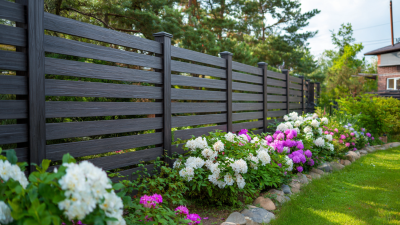
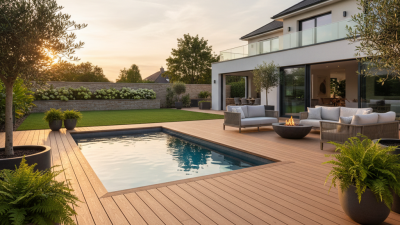
WPC boards, made from wood and plastic fibers, are increasingly popular in construction projects across China. They are versatile and durable, making them an excellent choice for various applications. These boards can be used for decking, fencing, and walls, providing both aesthetic appeal and practical functionality. Their resistance to moisture and pests further enhances their longevity, which is crucial for outdoor structures.
One notable application of WPC boards is in landscaping. These boards can be crafted into stunning garden features and walkways. They add a natural look while requiring minimal maintenance. In commercial settings, WPC boards are favored for their ability to withstand heavy foot traffic, making them ideal for public spaces. Despite their advantages, some users report challenges with color fading over time. This aspect requires careful consideration, as it may impact the overall appearance of a project.
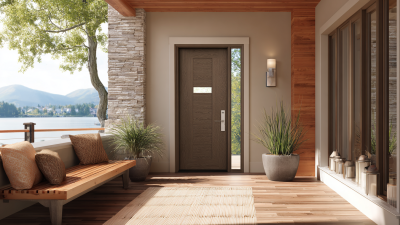
WPC boards are also commonly used in interior applications. Their versatility allows for creative design solutions in homes and offices. They can be molded into furniture and decorative panels, contributing to modern design aesthetics. However, the installation process may present difficulties for inexperienced builders. Ensuring proper techniques can mitigate this issue and lead to successful projects. Balancing aesthetics and functionality remains a key consideration for anyone choosing WPC boards.
Best WPC Board for Your Construction Needs in China? - Applications and Uses of WPC Boards in Construction Projects
| Application Area |
WPC Board Type |
Benefits |
Typical Usage |
| Decking |
Solid WPC Boards |
Durable, low maintenance, slip-resistant |
Patios, gardens, outdoor flooring |
| Fencing |
Hollow WPC Boards |
Weather-resistant, aesthetic appeal, eco-friendly |
Backyards, commercial properties |
| Wall Cladding |
Composite Panels |
Insulating properties, versatile design |
Exterior of buildings, interior accents |
| Furniture |
WPC Sheets |
Lightweight, modern look, easy to clean |
Outdoor furniture, decorative items |
| Flooring |
Engineered WPC |
Waterproof, durable, soft underfoot |
Commercial spaces, homes |

 Hot Selling