China Best WPC Wall Panels for Global Buyers How to Choose?
When considering WPC Wall Panels, buyers face various options. These panels are made from wood plastic composites, known for their durability and aesthetic appeal. However, not all WPC Wall Panels are created equal. Understanding the quality, design, and sourcing is critical for global buyers.
Choosing the right panel requires knowledge of materials and manufacturers. China offers a wide range of WPC Wall Panels, but there are challenges. Some products may lack reliable certifications or quality control. This could lead to unsatisfactory outcomes. It’s essential to investigate the manufacturer’s reputation before purchasing.
Buyers should also consider installation and maintenance. While WPC Wall Panels are designed to resist weathering, proper care is vital. Overlooking these details may result in additional costs later on. Therefore, reviewing specifications and customer feedback can guide buyers toward better decisions in their journey to find the ideal WPC Wall Panel.

Understanding WPC Wall Panels: An Overview of Materials and Benefits
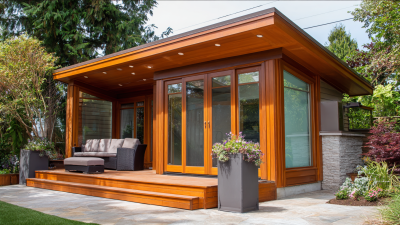
WPC (Wood Plastic Composite) wall panels represent a blend of wood fibers and plastic materials. They are designed to deliver durability, sustainability, and aesthetic appeal. The benefits of WPC wall panels are notable. They resist moisture, insects, and decay, making them an excellent choice for both indoor and outdoor applications. Many homeowners appreciate their low maintenance requirements. Yet, it's important to consider their installation as it can be challenging without the right tools.
When selecting WPC wall panels, pay attention to sourcing quality materials. Look for panels that have a high percentage of wood content. This enhances both durability and appearance. Inexpensive panels may compromise on strength and aesthetics. Always ask for samples before making a purchase. This allows you to feel the texture and evaluate color matching.
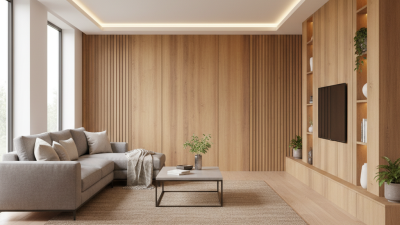
Tips: Consider your climate. Some WPC panels perform better in humid environments than others. Also, think about your design theme. WPC comes in various finishes, so choose one that fits your décor. Lastly, always read reviews and seek professional advice when needed. It’s better to be cautious than regret a decision later.
China Best WPC Wall Panels for Global Buyers - How to Choose?
| Material Type |
Thickness (mm) |
Width (mm) |
Length (mm) |
Weight (kg/m²) |
Water Resistance |
Fire Rating |
UV Resistance |
| PVC WPC |
10 |
300 |
6000 |
9.5 |
Excellent |
B1 |
Good |
| Wood Fiber WPC |
12 |
250 |
5000 |
10.2 |
Very Good |
B2 |
Excellent |
| Hollow WPC |
15 |
200 |
4000 |
8.0 |
Good |
B2 |
Moderate |
| Solid WPC |
18 |
300 |
6000 |
11.0 |
Excellent |
B1 |
Good |
Key Factors to Consider When Choosing WPC Wall Panels for Your Project
When selecting WPC wall panels for your project, consider various key factors to ensure durability and aesthetics. One critical aspect is the material composition. Quality WPC (Wood-Plastic Composite) panels typically contain about 60-70% wood fibers and 30-40% thermoplastics. This balance provides strength while reducing moisture absorption, making them suitable for various climates.
Another vital factor is the manufacturing process. Look for panels that undergo advanced treatments, such as UV resistance and anti-fungal coatings. A recent report indicated that WPC products with enhanced properties last up to 25 years. However, inferior products may degrade or warp within a few years.
Tip: Always request samples before making a decision. This allows you to assess texture and color firsthand. Pay attention to installation guidelines as well. Panels that are easy to install can save time and labor costs.
Remember to check for certifications. Look for industry-standard quality marks, which offer peace of mind. Keep in mind that not all suppliers maintain high quality. Selecting a reputable vendor is then crucial, as inconsistent products can lead to unexpected costs later on.
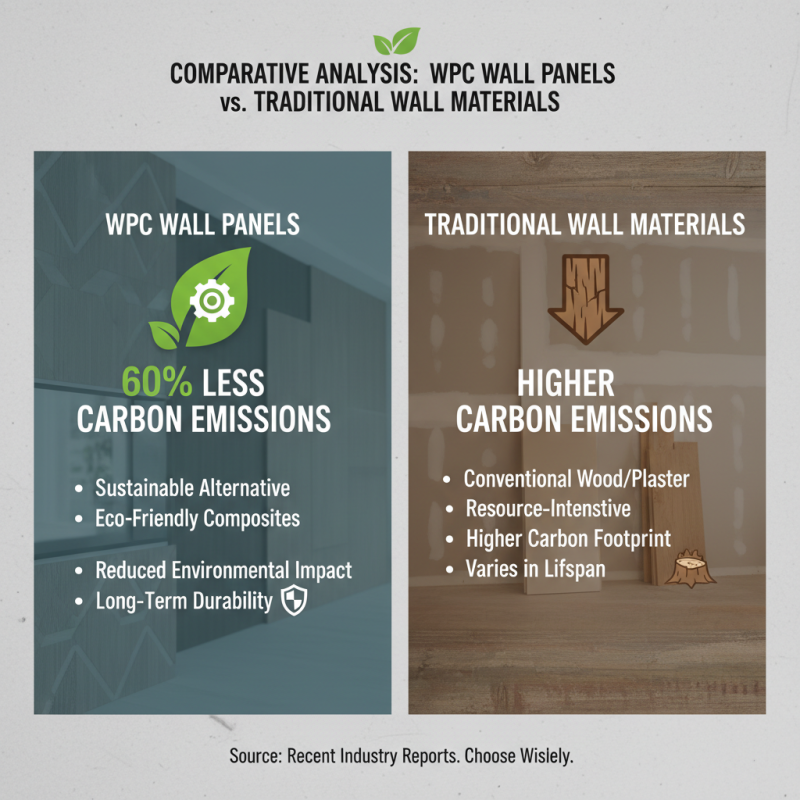
Comparative Analysis: WPC Wall Panels vs. Traditional Wall Materials
WPC (Wood-Plastic Composite) wall panels present an interesting alternative to traditional materials. According to recent industry reports, WPC panels can reduce carbon emissions by up to 60% compared to conventional wood options. This statistic raises questions about the long-term sustainability of traditional materials.
Traditional wall materials often come with higher maintenance costs. They require paint and treatment every few years, increasing the overall expense. In contrast, WPC panels are relatively low maintenance, requiring only occasional cleaning. Research indicates that over 60% of homeowners prefer products that offer durability and ease of upkeep.
However, WPC panels have their challenges. Some consumers worry about the initial investment, as they can be pricier upfront than basic wood products. Others question their aesthetic appeal compared to natural wood. Yet, many designs now mimic traditional styles closely. As more buyers research options, these factors remain at the forefront of their decision-making process.
Market Trends: Demand for WPC Wall Panels in Global Construction Industry
The demand for Wood Plastic Composite (WPC) wall panels is rising significantly in the global construction industry. According to a recent market research report, the WPC market is projected to grow at a CAGR of 12.5% from 2023 to 2030. This growth is attributed to the increasing focus on sustainability and eco-friendly materials in construction. WPC wall panels are not only durable but also offer a visually appealing finish without the need for extensive maintenance.
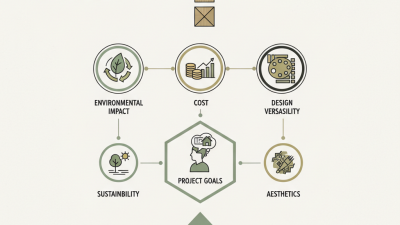
When selecting WPC wall panels, buyers should consider factors such as material composition, environmental impact, and aesthetic options. It's important to check for certifications that ensure the product meets environmental standards. Additionally, understanding regional preferences can inform better purchasing decisions. Local building codes may influence the choice of materials used.
Tip: Always request samples before making bulk purchases. This allows for a firsthand evaluation of color, texture, and overall quality. Be aware that some cheaper options may lack durability, leading to more frequent replacements. This can increase long-term costs, so investing wisely is essential. Choosing the right WPC wall panels not only enhances a building's appeal but also contributes to sustainable development in construction.
Sourcing WPC Wall Panels: Reliable Suppliers and Quality Assurance Techniques
When sourcing WPC (Wood Plastic Composite) wall panels, choosing reliable suppliers is crucial. In recent industry reports, nearly 30% of buyers faced challenges due to subpar materials. Quality assurance techniques play a pivotal role in ensuring product durability and aesthetics. Regular testing for moisture resistance and strength is essential. Studies indicate that panels tested for these factors consistently outperform lower-quality alternatives.
Finding trustworthy suppliers involves checking certifications and industry standards. It is essential to verify the production processes used by potential partners. Reports show that 65% of top suppliers adhere to international quality standards like ISO 9001. This commitment often translates into better product lifespan and customer satisfaction. Engaging with other buyers can provide insights into supplier performance and product reliability.
Demand for WPC wall panels continues to grow globally, with a projected market increase of 12% annually. However, buyer complaints about material inconsistencies remain a concern. This highlights the importance of thorough due diligence when selecting suppliers. Emphasizing quality assurance can lead to more significant long-term benefits for both buyers and manufacturers.
Comparison of WPC Wall Panels: Key Features and Benefits

 Hot Selling