How to Choose the Best Garden Fence WPC for Your Outdoor Space?
Choosing the right Garden Fence WPC can transform your outdoor space significantly. Garden Fence WPC offers durability and an attractive appearance. However, selecting the best option may feel overwhelming. You want a fence that complements your garden while standing the test of time.
When considering Garden Fence WPC, think about your specific needs. Do you prioritize aesthetics or privacy? Each choice impacts the overall look and function of your garden. A well-chosen fence enhances beauty, but an overlooked selection can lead to regrets. Remember, not all WPC fencing is created equal. Some might fade over time, while others resist harsh weather.
Consider the intended use of your garden space. Will it be a haven for relaxation or a playful area for kids? Your fence choice should reflect these intentions. Take time to reflect on your lifestyle and preferences. This process can be rewarding, resulting in a well-designed outdoor retreat.
Understanding WPC Material and Its Benefits for Garden Fencing
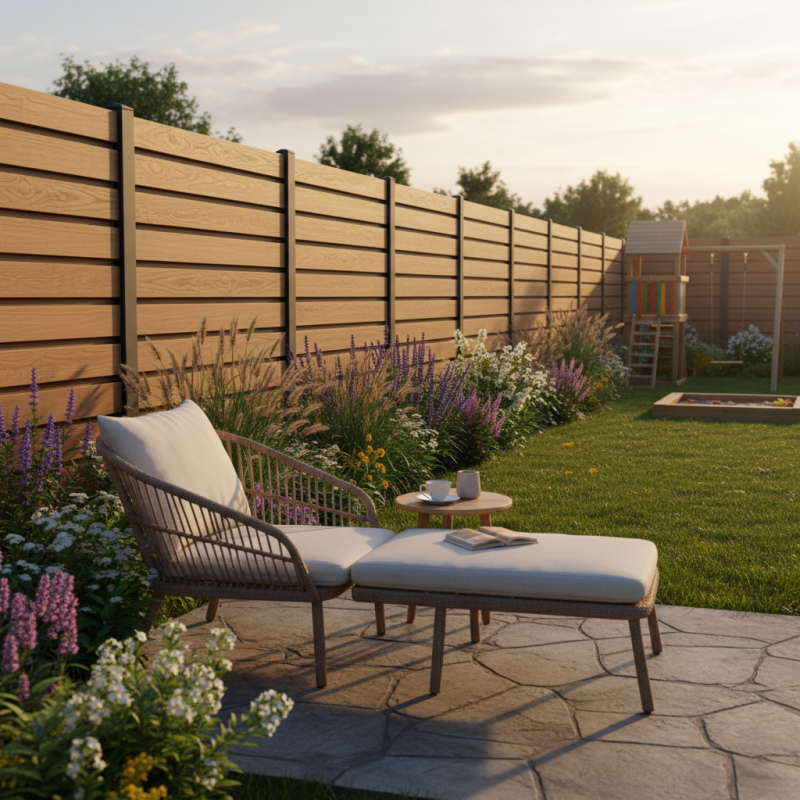
When considering a garden fence, WPC, or wood-plastic composite, stands out as a choice. WPC combines wood fibers and plastic, making it strong and durable. Unlike traditional wood, it resists rot, insects, and extreme weather. This means lower maintenance for your outdoor space. Imagine a fence that doesn’t splinter or warp, providing safety and appeal.
One of the key benefits is its eco-friendliness. WPC is often made from recycled materials. This reduces waste and the reliance on new resources. However, it’s crucial to consider the installation process. Some materials can be complicated to handle. You might need professional help, adding to your budget. Still, the long-term benefits often outweigh initial costs.
Visually, WPC can mimic wood grain, offering a natural look. You can choose various colors and textures to match your style. But not every option may suit your landscape perfectly. Some might wish for more customizability or lighter options. It’s essential to weigh your preferences.
Assessing Your Outdoor Space and Fencing Needs
When assessing your outdoor space, start by measuring the area where you plan to install a garden fence. Consider the dimensions of your yard and any specific sections you want to enclose. Look for obstacles like trees, shrubs, or rocks that might affect the installation. These details will influence the type and height of the fence you can use.
Next, think about your needs. Is privacy a priority? A taller fence may be necessary in that case. If you have pets, ensure the fence is sturdy enough to keep them contained. Reflect on aesthetic preferences as well. You might want a fence that blends seamlessly with your garden or one that stands out for a modern look. Each decision shapes your outdoor space.
Don’t forget about your local environment. Some materials work better in specific climates. For instance, moisture may damage certain woods. If you're unsure about the best option, consider seeking advice from local experts. This can be a valuable step before making a final decision.
Comparative Analysis of Garden Fence Materials
This chart illustrates the popularity index of various garden fence materials based on a scale of 1 to 10, helping you to assess which material might suit your outdoor space best.
Factors to Consider When Choosing a WPC Garden Fence
When choosing a WPC garden fence, several factors come into play. First, consider the aesthetics. The fence should complement your garden’s style. Look for colors and textures that blend well with your plants and landscape. For example, a rustic brown can enhance a natural setting. Aim for harmony with your home’s exterior too.
Durability is key with WPC materials. They resist rot and pests better than traditional wood. However, quality varies among products. Look for materials that promise longevity without constant upkeep. Think about your local climate; intense sun and rain can affect lifespan. Test some samples if possible.
Installation ease should also be a factor. Some fences are simple to install, while others require professional help. A complex setup can lead to frustration. Measure your area carefully. It’s common to miscalculate lengths, leading to delays. Reflect on your DIY capabilities before committing. Quality choices lead to lasting satisfaction.
Comparing Different Styles and Designs of WPC Fences
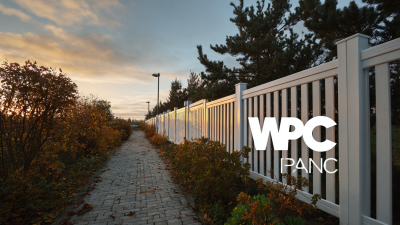
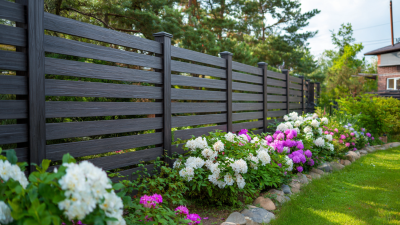
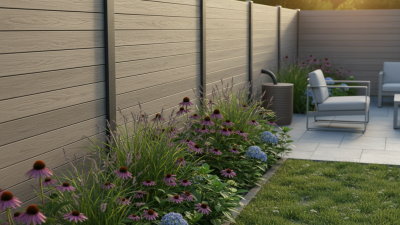
When selecting a WPC fence, design matters. Different styles can transform your garden space. For instance, a classic picket fence can evoke a vintage charm. It suits traditional homes. A modern slat design offers a sleek, minimalistic look. This can pair well with contemporary architecture.
Color also plays a vital role. You might choose natural wood tones for a rustic feel. Darker shades can add elegance and sophistication. However, consider the maintenance involved. Lighter colors may fade faster under sun exposure. Choosing the wrong color might lead to more frequent touch-ups.
Don’t forget about the height and function of the fence. A tall fence ensures privacy. But it might overwhelm smaller gardens. On the other hand, a low fence can create an open feel. Reflect on your space and what you desire. Balancing aesthetics and utility is crucial.

 Hot Selling