2026 How to Choose the Best WPC Cladding for Your Home?
When considering the installation of WPC cladding, choosing the right material is essential. John Smith, a renowned expert in the WPC cladding industry, once stated, “The best WPC cladding not only enhances aesthetics but also offers durability.” With the growing popularity of WPC cladding, many homeowners face challenges in making the right choice.
WPC cladding comes in various styles, colors, and textures. Each option has its unique features. However, one must also reflect on the environmental impact. Some products may not be as eco-friendly as advertised. Homeowners must carefully evaluate certifications and manufacturing processes.
Moreover, installation is critical. Some WPC cladding requires specialized tools and techniques. Improper installation can lead to problems down the line. Therefore, consulting with professionals is advisable. Remember, the choice of WPC cladding impacts not only the home’s appeal but also its long-term performance.
Understanding WPC Cladding: Definition and Benefits
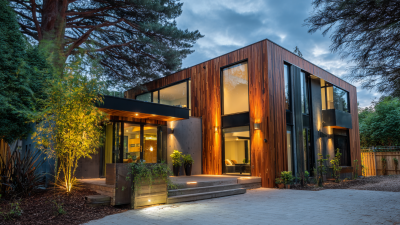
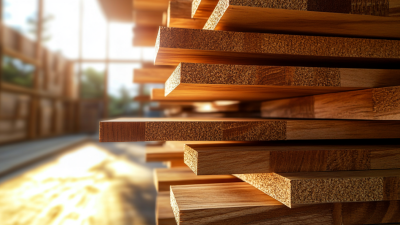
WPC cladding, or Wood-Plastic Composite cladding, offers a blend of wood fibers and plastic. This unique combination creates a sustainable and durable exterior for homes. Many homeowners appreciate its low maintenance and resistance to decay. You won’t need to paint it often, which saves time and money.
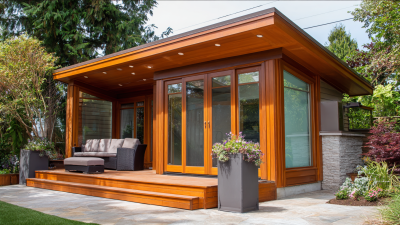
One benefit of WPC cladding is its versatility. It comes in various colors and textures. This allows homeowners to match their exterior design perfectly. However, consider your local climate. In humid areas, WPC can expand and contract more than traditional wood. It’s essential to follow manufacturer guidelines during installation to minimize issues.
Another aspect to reflect on is the environmental impact. While WPC uses recycled materials, not all products are created equal. Some contain harmful additives. Look for options with certifications that ensure safety and sustainability. Understanding these details will help you make an informed choice for your home.
Factors to Consider When Choosing WPC Cladding
When considering WPC cladding for your home, look at several key factors. Durability is crucial. Research shows that WPC materials can last over 25 years with proper maintenance. Check if the product resists weather extremes. Many WPC claddings perform well against moisture and UV rays. Yet, not all options are equal. Some formulations may fade quicker than others.
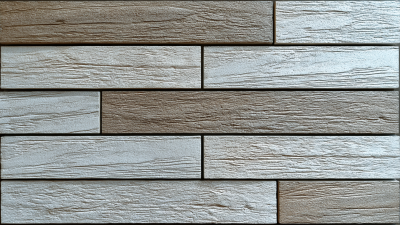
Aesthetic appeal matters too. WPC cladding comes in various colors and finishes. A 2022 survey revealed 70% of homeowners prioritize appearance when selecting materials. Ensure the style fits your home's architecture. If you prefer natural looks, choose grain textures that mimic wood. However, some may find these finishes less authentic than real wood.
Cost is another consideration. WPC cladding can range significantly in price. A report indicated that while initial investments are higher than vinyl, long-term savings exist. Maintenance often costs less over time. Still, factor in installation costs. While some homeowners tackle it themselves, hiring professionals can ensure quality. This can maximize the material’s lifespan, giving you better value. Reflect on these aspects carefully before making a decision.
2026 WPC Cladding Selection Factors
Types of WPC Cladding: Options for Your Home
When considering WPC cladding for your home, understanding the types available is crucial. Wood-Plastic Composite (WPC) cladding blends wood fibers and plastic materials. This combination offers durability while mimicking the natural aesthetic of wood. You can choose from various finishes and colors that can suit any design preference.
There are several options to explore. For instance, some boards feature a smooth surface, creating a sleek look. Others have a textured finish that enhances slip resistance. Be sure to assess the installation method as well. Certain styles are easier to install than others, which can save time and effort. You might find decisions can quickly become overwhelming.
Think about maintenance requirements too. Some options may require more frequent cleaning or sealing. This could affect your long-term enjoyment of your home’s exterior. It’s important to reflect on your lifestyle and how cladding choices align with it. Consider a balance between aesthetics and practicality for the best results.
Installation Tips for WPC Cladding: A Step-by-Step Guide
When installing WPC cladding, preparation is key. Start by measuring the wall area accurately. This ensures you order enough material. An industry report from Freedonia Group showed that demand for decking and cladding products is expected to grow by 4.6% annually through 2026. This indicates a rising interest in WPC materials due to their durability and aesthetic appeal.
Cutting the boards properly is crucial. Use a fine-tooth saw for a clean edge. Double-check your measurements before making cuts. Many DIY enthusiasts make mistakes here. A miscalculation can result in extra costs and wasted material. Also, consider the environment where you live. WPC cladding resists moisture and pests better than wood. However, extreme temperatures can affect its performance.
According to a recent study, about 30% of homeowners reported installation challenges. It’s essential to read the manufacturer’s guidelines thoroughly. Proper spacing between planks should be maintained for expansion and contraction. Neglecting this can lead to buckling or warping over time. Details like these matter more than one might think. They impact the longevity of your cladding significantly.

 Hot Selling