How to Choose the Best WPC Decking for Your Outdoor Space: A Complete Guide
When it comes to enhancing the aesthetic and functional appeal of your outdoor space, choosing the right WPC (Wood Plastic Composite) decking is crucial. According to a recent market analysis by ResearchAndMarkets, the global WPC decking market is projected to grow at a CAGR of 12.5% from 2021 to 2028, driven by increasing consumer demand for sustainable and low-maintenance outdoor solutions. As homeowners increasingly lean towards eco-friendly materials, WPC decking has emerged as a popular alternative, providing the natural look of wood with superior durability and weather resistance.
Industry expert Dr. Emily Johnson, a leading researcher at the Eco-Composite Institute, states, “Selecting the ideal WPC decking not only improves the visual attractiveness of an area but also contributes to long-term sustainability.” Her insights emphasize the importance of understanding the various options available in the WPC decking market, which can often be overwhelming for consumers. With numerous brands, colors, and styles available, this guide aims to simplify the decision-making process, ensuring that you invest in the best WPC decking to suit your outdoor needs while aligning with your aesthetic preferences and sustainability goals.
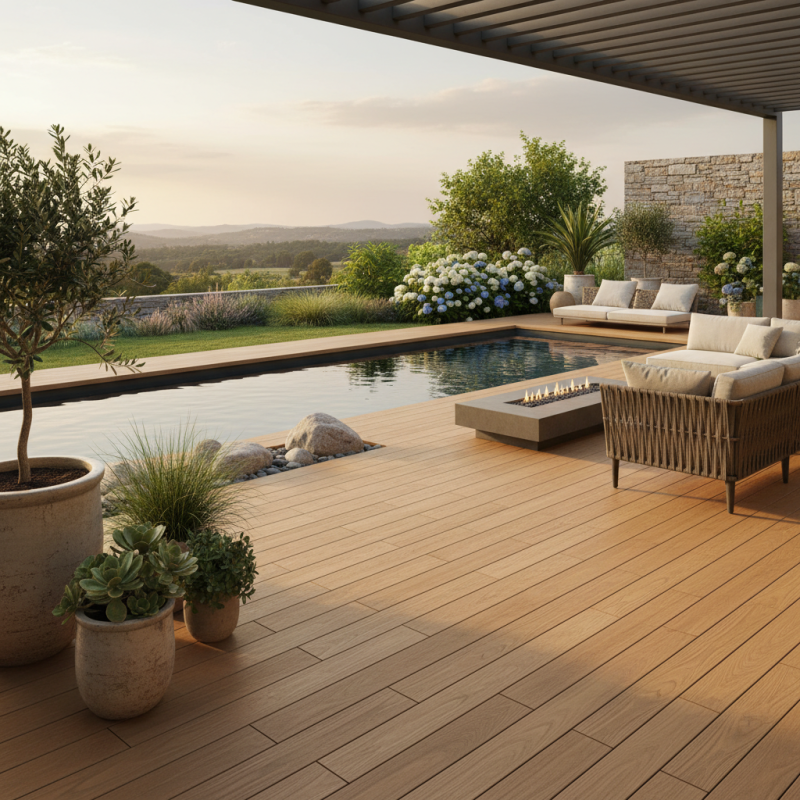
Understanding WPC Decking: What is it and Why Choose It?
Wood-Plastic Composites (WPC) decking has gained popularity as a sustainable and durable alternative to traditional timber decking. Comprising a blend of wood fibers and recycled plastics, WPC decking not only mimics the appearance of natural wood but also offers enhanced resistance to the elements, making it ideal for outdoor spaces. According to a recent report by Transparency Market Research, the global WPC market is expected to grow at a CAGR of 12.5% over the next five years, highlighting its increasing acceptance among homeowners and builders.
When considering WPC decking for your outdoor area, it's essential to choose a high-quality product that offers both aesthetics and longevity. Look for brands that provide at least a 25-year warranty, as this is often a sign of durability and resilience. Moreover, check for fire ratings and slip resistance to ensure safety and peace of mind.
**Tip:** Always request a sample before making your final decision. This will give you a tangible sense of the texture, color, and quality of the decking, enabling you to visualize how it will integrate with your outdoor space.
Another critical factor is maintenance; WPC decking typically requires less upkeep than traditional wood. With periodic cleaning using mild soap and water, you can preserve its appearance long-term. **Tip:** Avoid using harsh chemicals or pressure washers, as these can damage the surface and reduce its lifespan.
WPC Decking Popularity Across Different Regions in 2023
This chart illustrates the popularity of WPC decking across various regions in 2023. North America leads the market, making up 45% of the usage, followed by Europe at 30%. Asia shows a smaller share at 15%, with Australia and South America each contributing 5%.
Key Features of WPC Decking: Durability, Aesthetics, and Maintenance
When selecting the best Wood Plastic Composite (WPC) decking for your outdoor space, focus on the key features that enhance both aesthetics and durability. WPC decking stands out due to its remarkable durability; it is designed to resist moisture, mold, and environmental wear, making it an excellent choice for outdoor settings. Unlike traditional wooden decking, WPC options require minimal maintenance, saving you time and effort while ensuring your outdoor area remains pristine for years.
**Tips:** To keep your WPC decking looking its best, consider regularly cleaning it with a mild detergent and water. This will prevent dirt accumulation and maintain its aesthetic appeal. Additionally, be mindful of the color and texture of the decking; choosing styles that complement your home’s exterior can dramatically elevate your outdoor space.
In terms of aesthetics, WPC decking offers a variety of colors and finishes that mimic the look of natural wood without the upkeep associated with it. This combination of beauty and resilience makes WPC an attractive option for homeowners aiming to create a stylish and functional outdoor living area. Be sure to explore the latest designs that provide both a modern and sustainable approach to decking, allowing you to enhance your property while being environmentally conscious.
Factors to Consider When Selecting WPC Decking for Your Space
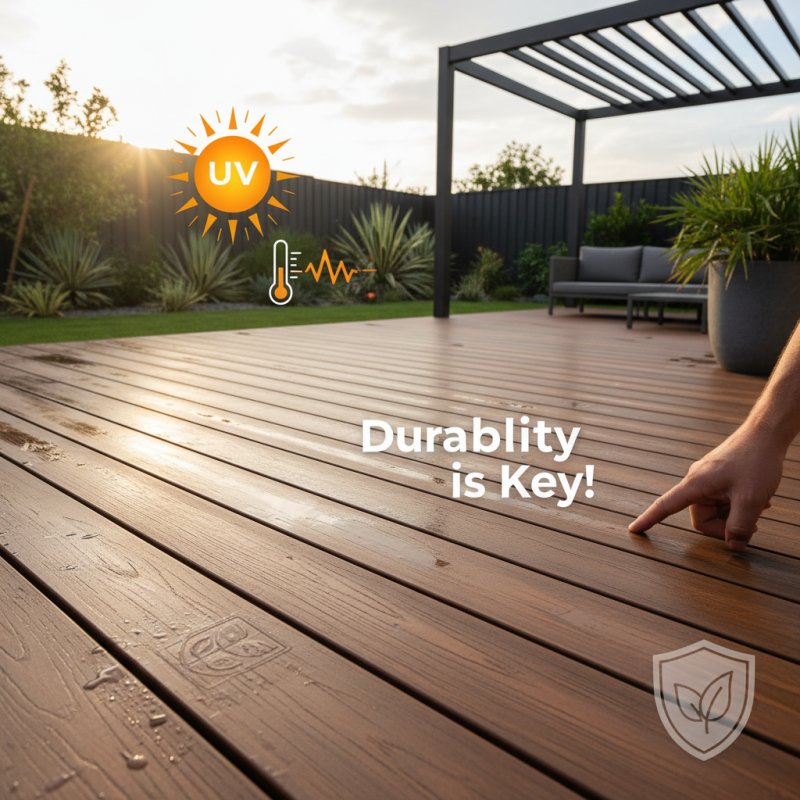
When selecting WPC (Wood-Plastic Composite) decking for your outdoor space, several factors should be considered to ensure you make the best choice for your needs. Firstly, evaluate the decking's durability and resistance to various environmental conditions. Look for products that can withstand moisture, UV rays, and temperature fluctuations without warping or fading. High-quality WPC decking typically includes additives that enhance its resilience and longevity, making it a smart investment for outdoor use.
Another critical factor to consider is the aesthetic appeal of the decking. WPC comes in a variety of colors, textures, and finishes, allowing you to match your outdoor space's design theme. Consider how the color will blend with your home and landscaping. Additionally, think about the maintenance requirements; some WPC decking is engineered to be low-maintenance, requiring little more than occasional cleaning, while others may need regular sealing or staining. Choosing a style that fits your preference for upkeep can significantly impact your enjoyment of the outdoor area.
Comparing Different Types of WPC Decking: Pros and Cons
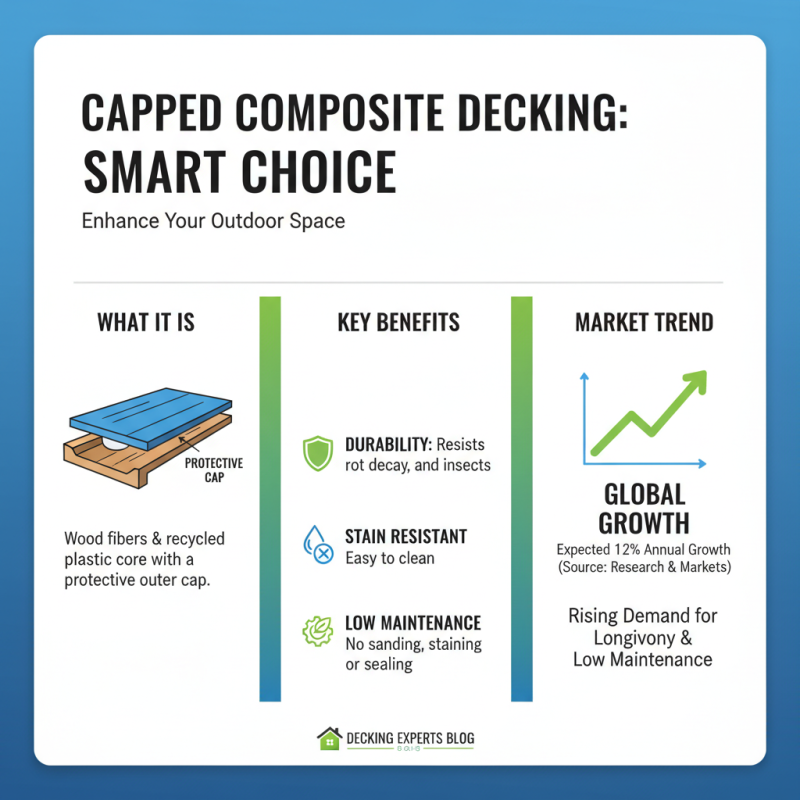
When selecting WPC (Wood-Plastic Composite) decking for your outdoor space, it's crucial to compare the different types available, each with its own set of pros and cons. One of the most popular options is capped composite decking, which features a protective outer layer that enhances durability and stain resistance. According to a report by Research and Markets, the global market for capped composite decking is expected to grow by 12% annually, highlighting its rising demand due to longevity and low maintenance requirements.
On the other hand, uncapped composite decking may offer a lower upfront cost but can be more susceptible to fading and weathering over time. A study from the American Wood Council notes that while these boards can deliver a natural wood appearance, they typically require regular maintenance and may not provide the same lifespan as their capped counterparts, which can last up to 30 years with proper care. Evaluating your budget, aesthetic preferences, and maintenance willingness will help determine the best WPC decking option for your outdoor area.
Installation and Care Tips for Your WPC Decking Project
When embarking on a WPC (Wood Plastic Composite) decking project, proper installation is crucial to ensure longevity and stability. Begin by preparing a solid foundation; ensure the ground is level and free of debris. Using a framework of treated wood or metal joists, space them appropriately according to the manufacturer's recommendations. This foundation not only supports the decking but also helps to prevent warping and buckling over time.
Remember to leave small gaps between the boards during installation to accommodate expansion and contraction due to temperature changes.
Once your WPC decking is installed, maintenance becomes key to preserving its appearance and functionality. Regular cleaning is essential to remove dirt and debris; use a mild soap solution and a soft-bristle brush to avoid scratching the surface. Avoid harsh chemicals as they may damage the material. Additionally, it’s recommended to inspect the decking periodically for any signs of wear or damage.
Applying a UV protective coating can enhance the lifespan of your WPC decking, helping to prevent fading from sun exposure. By following these installation and care tips, you can enjoy a beautiful and durable outdoor space for years to come.

 Hot Selling