How to Choose the Best WPC Garden Fence for Your Outdoor Space
When it comes to enhancing your outdoor space, selecting the right garden fence is essential, especially in the context of durability and aesthetics. As reported by the Wood Plastic Composite (WPC) industry, the demand for sustainable and low-maintenance materials has surged, with WPC garden fences leading the way in modern landscaping solutions. A significant percentage of homeowners are increasingly opting for garden fences made of WPC due to their resistance to rot, insects, and harsh weather conditions, which traditionally plague wooden products.
Moreover, studies suggest that the market for WPC is anticipated to grow substantially, driven by a shift towards environmentally friendly solutions in home improvement. In fact, reports indicate that the global WPC market is expected to reach several billion dollars in the coming years, further emphasizing the importance of understanding the different types and features of garden fence WPC options available. By choosing a garden fence made of WPC, you not only invest in your property’s value but also contribute to sustainable practices that benefit the environment. Exploring the various styles, colors, and functionalities of garden fence WPC can lead to a well-informed decision that elevates your outdoor space while aligning with modern eco-friendly trends.
Understanding WPC: What It Is and Its Benefits for Garden Fencing
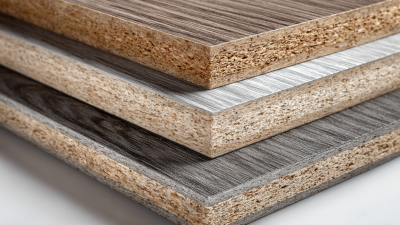
Wood Plastic Composites (WPC) have become a popular choice for garden fencing due to their durability and low maintenance requirements. WPC is a composite material made from a blend of wood fibers and thermoplastics, offering a sustainable alternative to traditional wood. According to the American Society for Testing and Materials (ASTM), WPC products exhibit superior resistance to rot, insects, and weathering compared to natural wood. This makes them particularly advantageous for outdoor applications where exposure to harsh environmental conditions is a concern.
One of the key benefits of WPC fencing is its environmental sustainability. The material is often manufactured from recycled plastics and wood by-products, minimizing waste and promoting eco-friendly practices. A report from the Wood Polymer Composites Association indicates that using WPC can reduce carbon emissions by up to 80% compared to traditional wooden fencing solutions. Additionally, the moisture resistance of WPC means it doesn't require chemical treatments, making it a safer choice for gardens with pets and children.
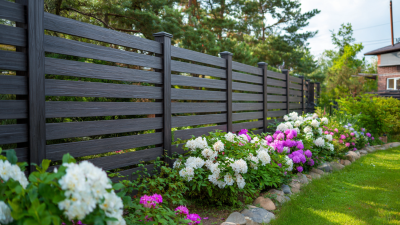
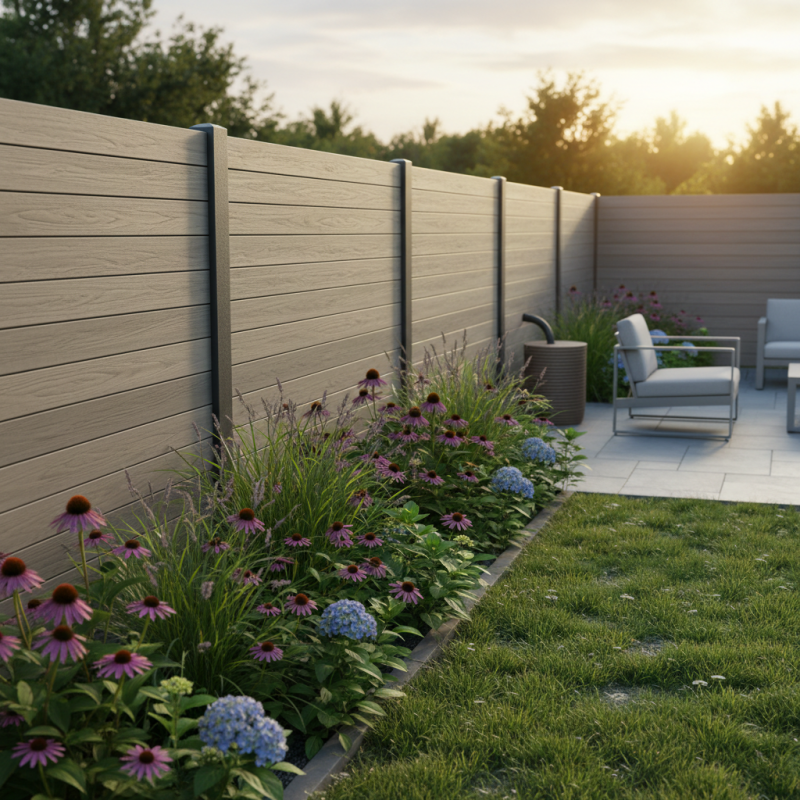
Aesthetic versatility is another notable advantage of WPC fencing, which can mimic the appearance of wood while providing the benefits of synthetic materials. Many manufacturers offer a variety of colors and textures, enabling homeowners to achieve their desired look without sacrificing durability. As garden spaces continue to evolve, WPC fencing stands out for its ability to enhance both the visual appeal and functionality of outdoor areas while aligning with environmentally conscious choices.
Key Factors to Consider When Selecting WPC Fencing for Your Garden
When selecting WPC (Wood Plastic Composite) fencing for your garden, several key factors should guide your decision to ensure you achieve both functionality and aesthetic appeal. Firstly, consider the material's durability and resistance to weather elements. WPC is known for its strength and minimal maintenance requirements compared to traditional wood. It's important to look for a product that offers UV resistance to prevent fading and can withstand moisture without warping or rotting, making it ideal for various climates.
Another crucial aspect is the design and color options available in WPC fencing. Your choice should complement your garden's existing landscape and architecture. Consider the height and style, whether you're looking for a solid privacy fence or a more decorative option that enhances the visual aspect of your outdoor space. Additionally, take into account the installation process; some WPC fencing products are designed for easy DIY installation, while others may require professional help. Balancing these factors will ultimately lead you to the best choice for your specific needs, ensuring your garden fence is both beautiful and practical.
How to Choose the Best WPC Garden Fence for Your Outdoor Space
| Factor |
Description |
Importance |
| Material Quality |
Durability and resistance to weather elements. |
High |
| Design Options |
Variety of styles that complement your garden aesthetics. |
Medium |
| Installation Process |
Ease of installation, whether DIY-friendly or requires professionals. |
High |
| Maintenance Requirements |
Frequency and type of maintenance needed to keep the fence in good condition. |
Medium |
| Cost |
Overall cost of the fencing materials and installation. |
High |
| Environmental Considerations |
Sustainability of materials used in the fencing. |
Medium |
| Warranty |
Length and coverage of warranty offered by the manufacturer. |
High |
Comparing Different Styles and Designs of WPC Garden Fences
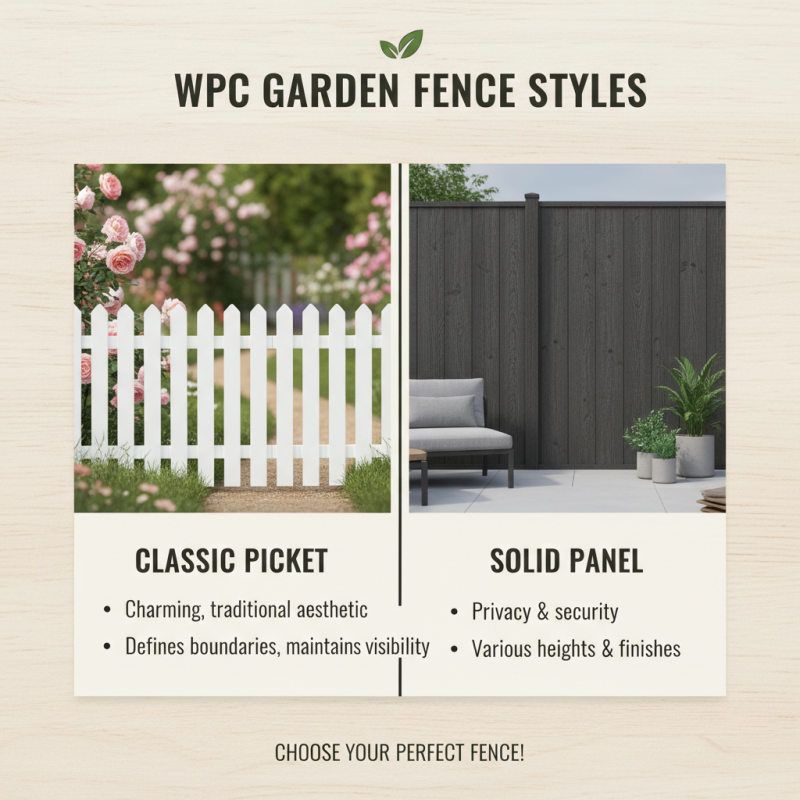
When selecting a WPC (Wood Plastic Composite) garden fence, it’s essential to compare various styles and designs that can complement your outdoor space. One popular style is the classic picket fence, which offers a charming aesthetic suitable for traditional gardens. The vertical slats provide a quaint look while maintaining visibility, making it an excellent choice for those who want to define their garden boundaries without obstructing views. Alternatively, a solid panel fence can create a sense of privacy and security. These fences often come in different heights and finishes, allowing homeowners to choose a design that resonates with their personal style and the surrounding environment.
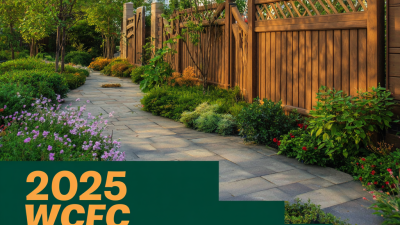
Another aspect to consider is the versatility of WPC in replicating different materials. WPC fences can mimic the appearance of wood, stone, or even composite finishes. This adaptability means you can achieve the desired look that harmonizes with your landscape design. Some WPC fences incorporate decorative elements like lattice tops or custom color finishes that add a unique flair. Additionally, while prioritizing aesthetics, durability remains a critical factor; WPC materials are resistant to weathering and pests, ensuring that your garden fence retains its beauty and functionality over time, regardless of the style you choose.
Evaluating Durability and Maintenance Needs of WPC Fences
When selecting the right WPC (Wood-Plastic Composite) garden fence for your outdoor space, evaluating its durability and maintenance needs is crucial. WPC fencing is known for its resistance to rot, warping, and splintering, making it an attractive option for homeowners seeking longevity. According to a report by the American Wood Council, WPC materials can last up to 25 years with minimal maintenance, significantly outpacing traditional wood fencing, which typically requires replacement every 10-15 years due to degradation from the elements.
Maintenance requirements for WPC fences are also significantly lower. Unlike wood, which often necessitates annual staining and sealing, WPC fencing generally only needs an occasional wash with soap and water to maintain its appearance. A study by the Composite Panel Association indicates that while traditional wood fences may require up to 30 hours of maintenance annually, WPC options reduce this load to just a few hours, allowing homeowners to spend more time enjoying their outdoor spaces. This reduction in maintenance not only saves time but also contributes to lower long-term costs, making WPC fencing a wise investment for durability and ease of care.
Installation Tips: How to Properly Set Up Your WPC Garden Fence
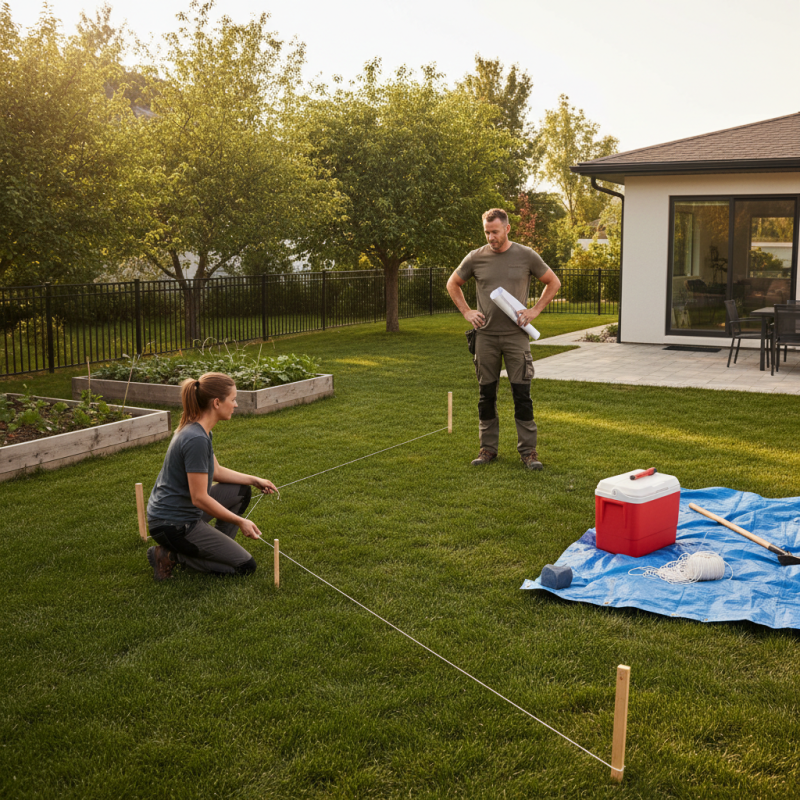
When it comes to installing a WPC (Wood Plastic Composite) garden fence, proper setup is crucial to ensure both durability and aesthetic appeal. Begin by assessing your outdoor space to determine the ideal location and layout for your fence. Mark the perimeter using stakes and string to visualize the design before you start digging. This will help you avoid unnecessary adjustments later on. Ensure you have all the necessary tools ready, including a post hole digger, level, and measuring tape.
Once you have marked your fence layout, dig holes for the fence posts, making sure each hole is deep enough to support the height of the fence and is at least one-third of the total length of the post. For added stability, consider using concrete to secure the posts, which will also aid in preventing rot and pest damage over time. After installing the posts, allow the concrete to cure fully before attaching the WPC panels. Ensure that the panels are level and aligned correctly, as this will enhance the overall appearance of your garden fence and ensure it withstands the elements effectively.

 Hot Selling