Why Choose Wpc Outdoor for Your Next Landscaping Project?
When considering a landscaping project, Wpc Outdoor stands out as a reliable choice. Recent industry reports indicate that composite materials, such as Wpc Outdoor, account for over 35% of the market, reflecting their growing popularity. This growth stems from the increasing demand for sustainable and low-maintenance solutions among homeowners and businesses alike.
Wpc Outdoor products offer durability and aesthetics that traditional materials struggle to match. Furthermore, they resist weathering, fading, and insects, making them ideal for various climates. According to studies, 80% of landscaping professionals recommend Wpc Outdoor due to its performance and longevity. Yet, some still hesitate due to misconceptions about composite materials being less authentic than wood.
It's essential to explore these perceptions. While Wpc Outdoor may not replicate the exact look of genuine wood, it accomplishes so much more in terms of functionality. In this evolving landscape, it's crucial to balance aesthetics with practicality. Choosing Wpc Outdoor means investing in a future-proof solution with lasting benefits for your landscaping needs.
Benefits of Using WPC Outdoor Materials in Landscaping Projects
WPC outdoor materials are gaining traction in landscaping for their numerous benefits. These materials, made from a blend of wood fibers and plastic, offer durability and aesthetic appeal. According to the American Society of Landscape Architects, over 60% of landscape architects have begun using WPC materials in recent projects. This shift highlights a growing awareness of sustainability and performance in outdoor design.
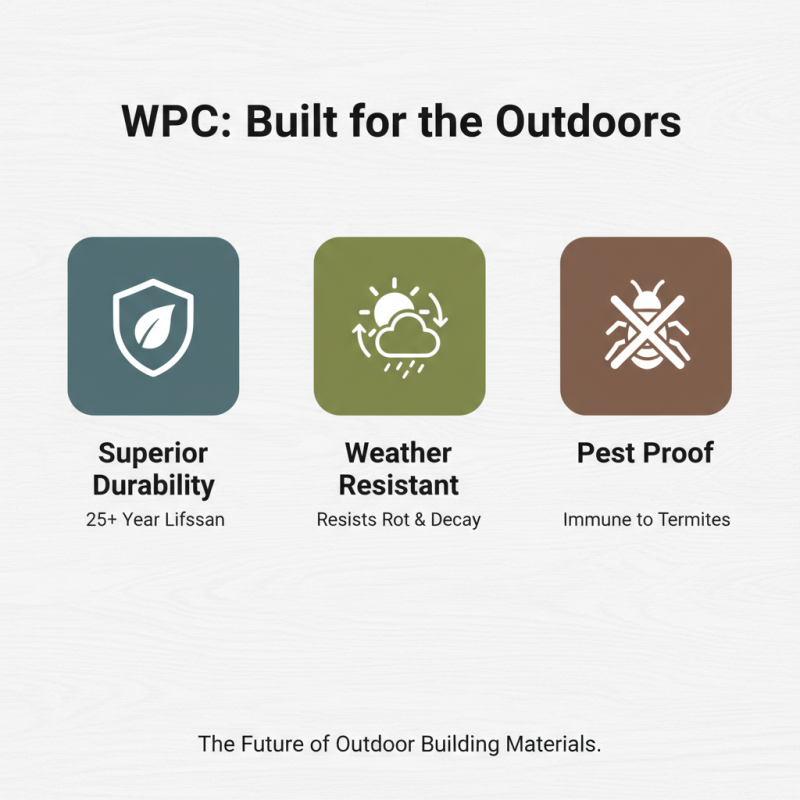
One notable advantage is resistance to weathering. WPC materials can withstand harsh climate conditions, unlike traditional wood. This durability significantly reduces maintenance costs over time. A study by the U.S. Department of Agriculture found that WPC can last up to 25 years with minimal upkeep. This longevity makes them a preferred choice for both residential and commercial landscaping projects.
However, one must consider potential drawbacks. While WPC is durable, it can sometimes warp under severe temperature changes. Additionally, not all WPC products offer the same level of quality. It's essential to review product specifications and real user feedback. As the industry evolves, researching various WPC options can guide better choices and sustainable landscaping practices.
Durability and Weather Resistance of WPC for Outdoor Environments
WPC, or Wood Plastic Composite, offers remarkable durability and weather resistance for outdoor projects. In recent studies, WPC materials demonstrate a lifespan of over 25 years, significantly outperforming traditional wood. This resistance to rot and termites makes WPC an ideal choice for landscapes exposed to varying climates.
A report by the American Society for Testing and Materials states that WPC can withstand extreme temperatures, from scorching heat to freezing conditions, without losing structural integrity. It is also resistant to moisture, ensuring longevity even in humid regions. This high performance is crucial for outdoor decks, railings, and landscaping features.
**Tips:** When selecting WPC for your project, consider the specific climate of your area. Choose a finish that complements your landscape design. Regular maintenance can enhance the lifespan of your WPC installation. Pay attention to potential fading in direct sunlight, and think about adding protective coatings if needed.
Aesthetic Versatility: Customization Options for WPC Landscapes
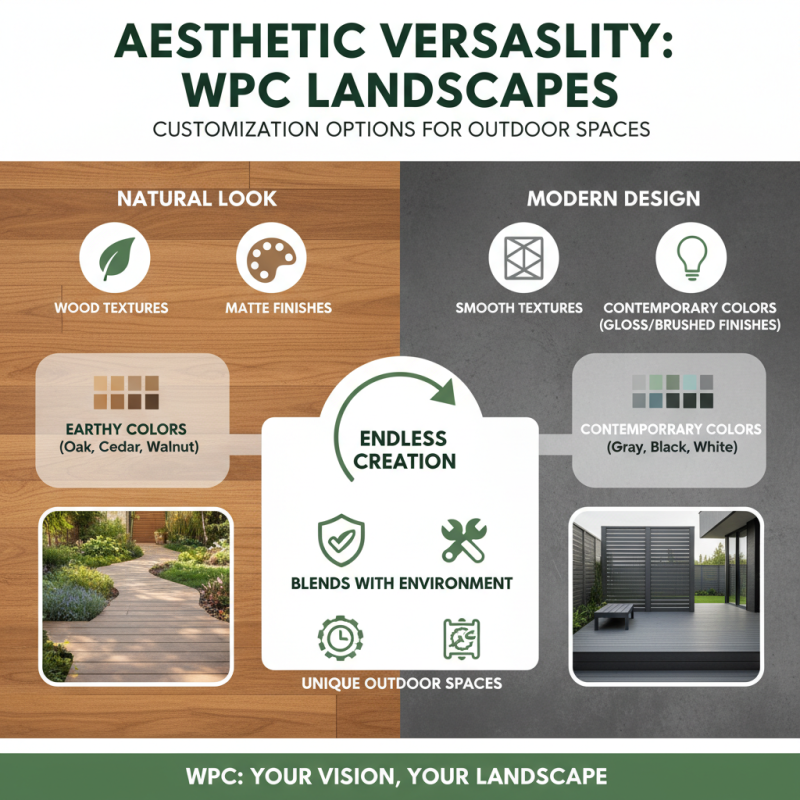
WPC (Wood Plastic Composite) offers outstanding aesthetic versatility for outdoor landscaping projects. Its customizable nature allows homeowners and designers to select from various colors, textures, and finishes. This flexibility helps create unique outdoor spaces that blend seamlessly with the environment. You can mimic the look of natural wood or choose sleek, modern designs to enhance any garden or patio area.
Tips: When planning WPC installation, consider how lighting impacts color perception in different weather. Natural daylight or evening lights can change the appearance, so test samples under real conditions.
Another advantage of WPC is its ability to be cut and shaped into custom designs. This adaptability enables creative layouts, from intricate decking patterns to curved fencing and planters. Despite its versatility, some users find that WPC can heat up more in direct sunlight than expected, which may affect comfort. Choosing lighter colors or shaded areas can help reduce this issue.
Tips: Don't overlook the importance of professional advice during the design phase. Experts can guide on material selection and installation techniques that optimize durability and aesthetics.
WPC landscapes invite experimentation and personalization, but a careful balance is essential. Over-customization might overwhelm the space or increase costs unnecessarily. Thoughtful planning and realistic expectations make the transformation rewarding and long-lasting.
Sustainability of WPC: An Eco-Friendly Choice for Landscaping
When considering eco-friendly landscaping, WPC, or wood-plastic composite, shines as a sustainable option. The versatility of WPC allows it to be used in various landscaping applications, from decking to fencing. According to research by the American Wood Council, WPC typically consists of about 50% recycled wood fiber and 50% recycled plastic. This blend significantly reduces the demand for virgin materials and minimizes waste.
Using WPC contributes to a circular economy. The production process often involves fewer emissions compared to traditional materials. In fact, a report by the U.S. Environmental Protection Agency showed that WPC reduces carbon footprint by up to 30% when compared to conventional wood products. This eco-friendly choice not only benefits the environment but also appeals to homeowners' growing desire for sustainable living options.
Tip: Ensure proper maintenance of WPC to extend its lifespan. Regular cleaning helps prevent mold and discoloration. Consider using environmentally friendly cleaning products for this task.
While WPC offers many advantages, it’s essential to note that not all WPC products are created equal. Some may contain harmful additives that compromise sustainability. Always research product claims and choose items backed by third-party certifications. This approach will ensure a responsible investment in your landscaping project.
Why Choose WPC for Your Next Landscaping Project?
This bar chart represents the key benefits of using WPC (Wood Plastic Composite) in landscaping projects, assessing factors such as durability, sustainability, cost-effectiveness, maintenance, and aesthetics on a scale of 1 to 10.
Cost-Effectiveness: Long-Term Savings with WPC Outdoor Solutions
When considering outdoor landscaping, cost-effectiveness is crucial.
WPC outdoor solutions provide long-term savings that often outweigh initial costs.
Made from a blend of wood and plastic, these materials resist weathering. They don’t require frequent maintenance like traditional wood.
Saving time and money is appealing for many homeowners.
Another benefit is durability. WPC products stand up against rotting, splintering, and pests.
You can enjoy beautiful landscaping without constant repair costs. Over time, traditional materials can become expensive.
The repetitive maintenance can stress your budget. Investing in WPC may reduce these concerns.
Choosing WPC is not just about initial investment. It's also about sustainability.
These materials can last years longer than typical options. They are eco-friendly and designed to withstand the elements.
However, be mindful of installation. Improper fitting may lead to issues down the line.
Evaluate your project wisely to prevent future regrets.

 Hot Selling