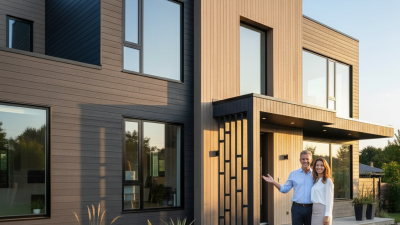
How to Choose the Best WPC Cladding for Your Project?
When it comes to selecting WPC cladding for your project, the choice can be overwhelming. "Choosing the right WPC cladding is vital for both beauty and longevity," says John Smith, a leading expert in the WPC industry. This reflects the critical nature of making an informed decision.
WPC cladding, a durable and eco-friendly material, offers numerous benefits. It combines the best of wood and plastic, providing both aesthetics and resistance to weather changes. Many factors influence your choice, including color, texture, and the environment where it will be installed. Often, people overlook how these choices affect the longevity and maintenance of the material.
The process can also lead to confusion. With such a range of products on the market, it's easy to feel lost. However, understanding your project’s specific needs will guide you. Many make the mistake of selecting cladding primarily based on price rather than quality. Reflect on your priorities, and weigh them carefully. Ultimately, choosing the right WPC cladding can enhance not just the design, but also the value of your property.
Understanding WPC Cladding: Definition and Benefits
WPC cladding, or wood-plastic composite cladding, combines wood fibers and plastic. This composite material offers durability and aesthetics, making it popular in construction. According to the Freedonia Group, WPC products are expected to experience a growth rate of more than 10% annually through 2025. This indicates increasing demand for sustainable building materials.
One of the key benefits of WPC cladding is its resistance to moisture and insects, addressing common issues faced with traditional wood. It does not rot or warp, making it ideal for a variety of climates. A study from the Composite Association highlights that WPC typically lasts over 25 years with proper care. This longevity can lead to lower costs over time, despite the initial investment.
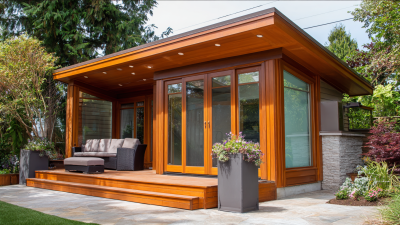
Design flexibility is another advantage. WPC cladding is available in various colors and finishes. This versatility allows homeowners and architects to match their desired aesthetic without compromising on durability. However, it’s important to consider installation, as improper techniques can diminish the material's lifespan. Balancing these factors is essential for achieving the best results in any project.
Different Types of WPC Cladding Available in the Market
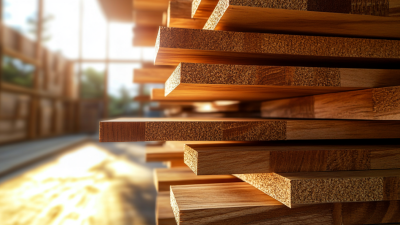
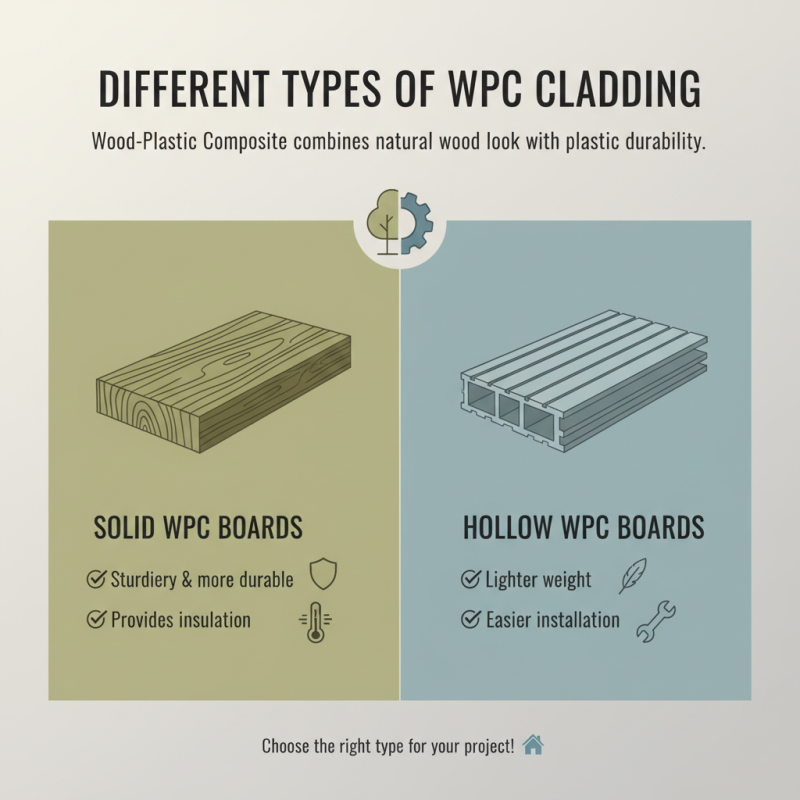
When considering WPC cladding for your project, it's essential to know the different types available. WPC, or wood-plastic composite, combines the natural appearance of wood with the durability of plastic. The market offers a variety of options, including solid boards and hollow boards. Solid boards tend to be sturdier and provide insulation benefits. Hollow boards are generally lighter, making installation easier.
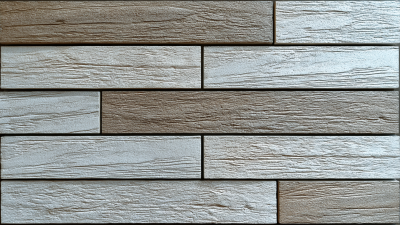
Another significant type is capped WPC. This option features a protective layer that enhances weather resistance. It often boasts better aesthetics as well. Some WPC cladding options mimic natural wood grain. This characteristic can create an appealing facade. However, its appearance can sometimes be inconsistent. Not every batch looks the same, leading to variations in the final product.
Lastly, consider the color and texture options. Some may fade over time, requiring maintenance. Make sure to check customer reviews and product specifications. This information can highlight potential issues. Different manufacturers offer distinct warranties, which can also influence your choice. Understanding these nuances can help you make an informed decision.
Key Factors to Consider When Choosing WPC Cladding
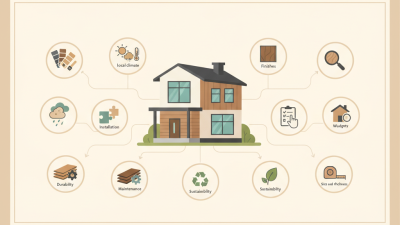
When selecting WPC (Wood Plastic Composite) cladding for your project, several key factors deserve attention. The material's durability is paramount. WPC cladding is known for its resistance to moisture and pests, making it ideal for diverse climates. According to a report from the National Association of Home Builders, WPC materials can extend the life of your building's exterior significantly.
Another critical factor is aesthetics. Choose a color and texture that complement your architecture. WPC offers a variety of finishes that can mimic natural wood. A study by the American Institute of Architects states that visual appeal can enhance property values by up to 20%. The right choice can create lasting impressions.
Tip: Always check the environmental impact of WPC materials. A reputable supplier should provide data on sustainability and eco-friendliness. It’s essential to consider the sourcing of the wood content.
Finally, think about maintenance requirements. WPC cladding generally requires less upkeep than traditional wood. However, it can be prone to fading and surface scratches. Periodic inspections and cleaning can prevent these issues. Remember, your choice should align with the long-term vision for your project.
Comparing WPC Cladding with Traditional Materials
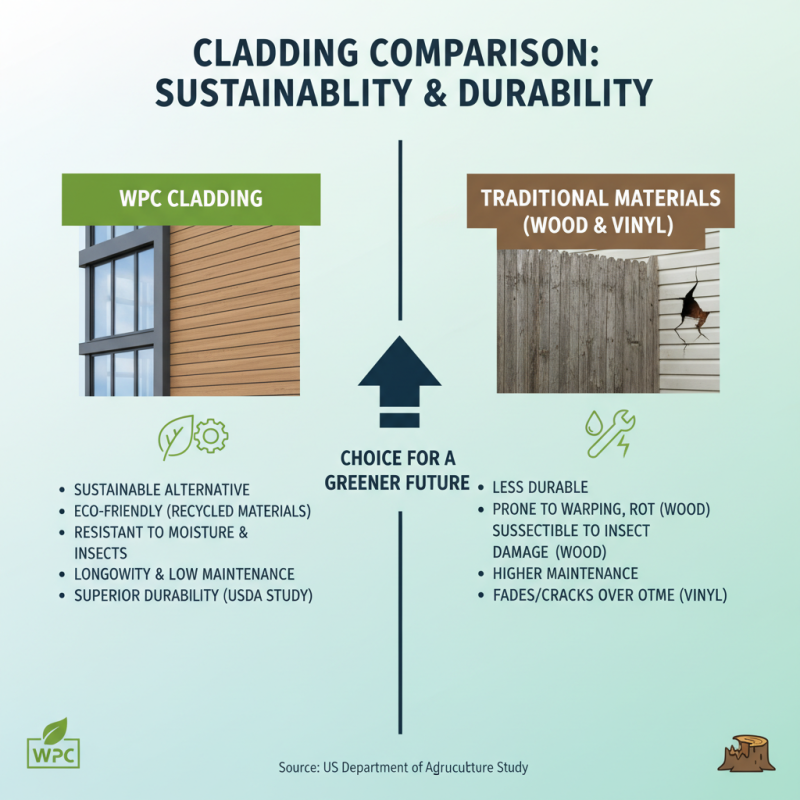
WPC (Wood Plastic Composite) cladding is gaining traction as a sustainable alternative to traditional materials like wood and vinyl. A study by the U.S. Department of Agriculture found that WPC cladding can offer better durability while reducing environmental impact. Traditional wood tends to warp and rot over time, requiring more maintenance. In contrast, WPC cladding resists moisture and insect damage, providing longevity.
Yet, not all WPC products are created equal. An industry report reveals that some lower-quality WPC cladding may contain harmful additives, compromising safety. Always check for certifications that guarantee quality and safety standards. Heavy reliance on WPC can also raise questions about recycling options, as not all manufacturers specify disposal methods.
Tip: Visit local suppliers to ask about WPC content. Discover if the option you consider uses a majority of recycled materials.
WPC can mimic the appearance of wood while providing significant advantages. However, its aesthetic appeal can sometimes fall flat compared to real wood. Homeowners must weigh the benefits against potential aesthetic drawbacks. Custom finishes could be complicated, leading to increased costs.
Tip: Request samples to compare textures and colors. This approach may help you visualize how WPC fits into your project's overall design.
Installation and Maintenance Tips for WPC Cladding
When installing WPC cladding, careful planning is key. Ensure that the area is well-prepared and clean. This step is often overlooked. Remove any old materials and debris. Use a level to confirm the wall is even. Uneven surfaces can lead to a poor finish and future issues.
Maintenance of WPC cladding is straightforward but requires regular checks. Inspect for any signs of wear or damage. It’s advisable to clean the surface regularly using mild soap and water. Harsh chemicals can degrade the material. Pay attention to the joints; they need to stay clear of debris. Clogged joints may lead to moisture buildup, which can affect the cladding's lifespan.
In terms of installation, follow the manufacturer's guidelines closely. Use appropriate fasteners to avoid complications later. It's not uncommon for DIY enthusiasts to skip this step. This can lead to misalignment or even structural issues down the line. Periodic re-evaluation of your installation techniques can help improve outcomes and avoid costly repairs. Aim for precision, and don’t hesitate to seek advice when needed.
WPC Cladding Material Preferences by Project Type

 Hot Selling