How to Choose the Best 3D Wall Panel for Your Home?
When it comes to interior design, choosing the right 3D wall panel can transform your space significantly. These panels add depth, texture, and character to your home. However, selecting the best option is not as straightforward as it seems. The market offers myriad styles, materials, and finishes.
It's crucial to consider your home's overall decor. A modern minimalist space may not suit ornate designs. On the other hand, a rustic home might benefit from bold textures. Think about how different designs evoke feelings. Some panels can create a calming atmosphere, while others energize a room.
As you explore your options, reflect on your lifestyle and preferences. Not every popular choice will resonate with you. Take your time to envision how each 3D wall panel fits into your vision. Remember, your choice should reflect personal taste rather than trends alone.
Understanding the Different Materials for 3D Wall Panels
When selecting the best 3D wall panel for your home, understanding the materials is crucial. Many options are available, each offering unique benefits. For instance, wood panels bring warmth but require maintenance. They can warp or fade over time. Consider how you want your space to feel.
Metal panels create a modern look. They are durable and easy to clean. However, they may not suit every design concept. The reflective surface can be cool to the touch. Think about comfort as well as style when choosing. Feeling the material helps make a better decision.
Another popular choice is PVC. Lightweight and versatile, PVC panels can mimic many textures. They resist moisture, making them ideal for damp areas. Yet, they might lack the authentic feel of natural materials. Always weigh the pros and cons of each option.
It is essential to consider your lifestyle and the panel’s longevity. Pick a material that aligns with your vision.
Evaluating the Design and Style Options for Your Home Decor
Choosing the right 3D wall panel can be an exciting yet overwhelming task. The design and style options available today are vast. A 2023 industry report indicates that over 70% of homeowners prioritize aesthetics when selecting home decor. This means that understanding your personal style is crucial. Whether you prefer modern, rustic, or industrial looks, 3D panels can enhance your space dramatically.
Consider textures and colors carefully. For instance, muted tones can create a calming environment, while bold colors can energize a room. The market shows a growing trend, with a 30% increase in demand for textured panels. It's essential to think about how different designs will blend with your existing decor. Do they complement your furniture? What about lighting? Sometimes, a poor choice can clash with your home’s vibe, leading to regret.
Additionally, reflect on functionality as well as appearance. Some panels offer soundproofing benefits, while others are purely decorative. The best choice should balance beauty and practicality. Surprising data shows that homeowners who focus solely on aesthetics often feel dissatisfied later. Finding that sweet spot can elevate your home to a new level. Remember, it’s not just about trends; it’s about what makes you feel at home.
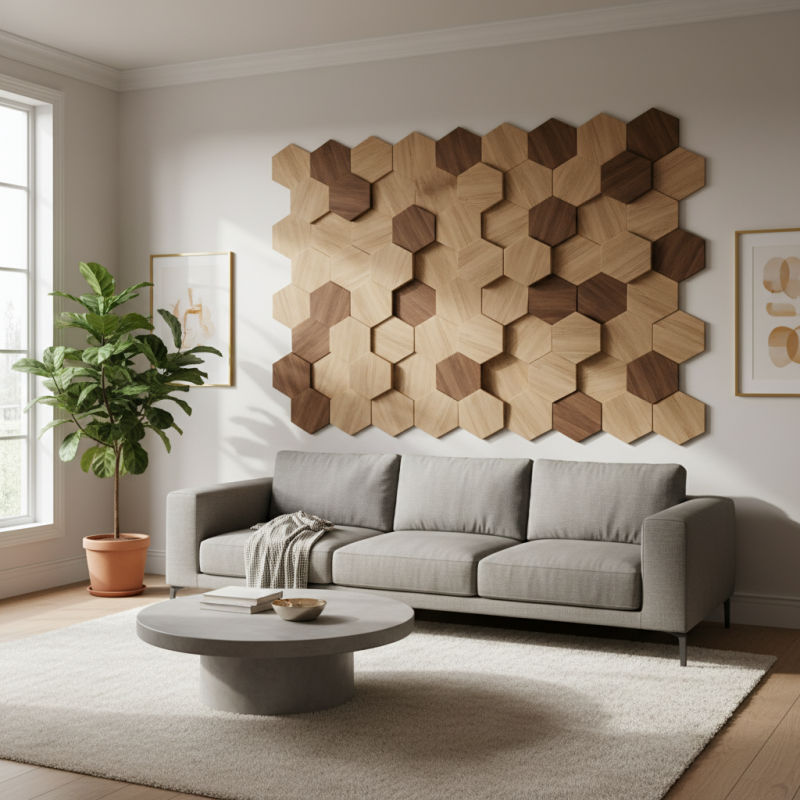
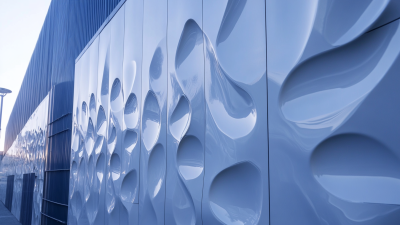
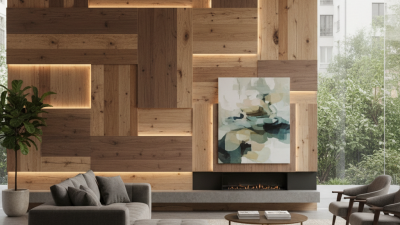
Popular 3D Wall Panel Styles in Home Decor
Assessing Acoustic and Insulation Properties of Wall Panels
When choosing a 3D wall panel, understanding its acoustic and insulation properties is crucial. Many homeowners overlook these features. According to a report by the Acoustical Society of America, poor acoustic insulation can lead to noise issues, impacting comfort. The right panel can reduce sound transmission significantly, especially in urban settings. Some wall panels reduce up to 70% of noise. This statistic highlights the importance of material choice.
Consider the materials used in the panels. Wood fibers, for instance, can absorb sound better than plastic. The density and thickness of the panel also matter. Thicker panels often provide better insulation. A study by the National Institute of Standards and Technology found that wall panels with a density of 0.5 lb/ft² effectively lower decibel levels by 5-10 dB. These reductions can influence the quality of life in your home.
Yet, achieving the perfect balance can be challenging. Some panels excel in aesthetics but may fall short in performance. Homeowners must assess their needs carefully. Prioritize both beauty and functionality. It's important to review sound absorption ratings and thermal insulation data before making a decision. Incomplete assessment can lead to dissatisfaction, so take your time to choose wisely.
Considering Installation Methods and Maintenance Requirements
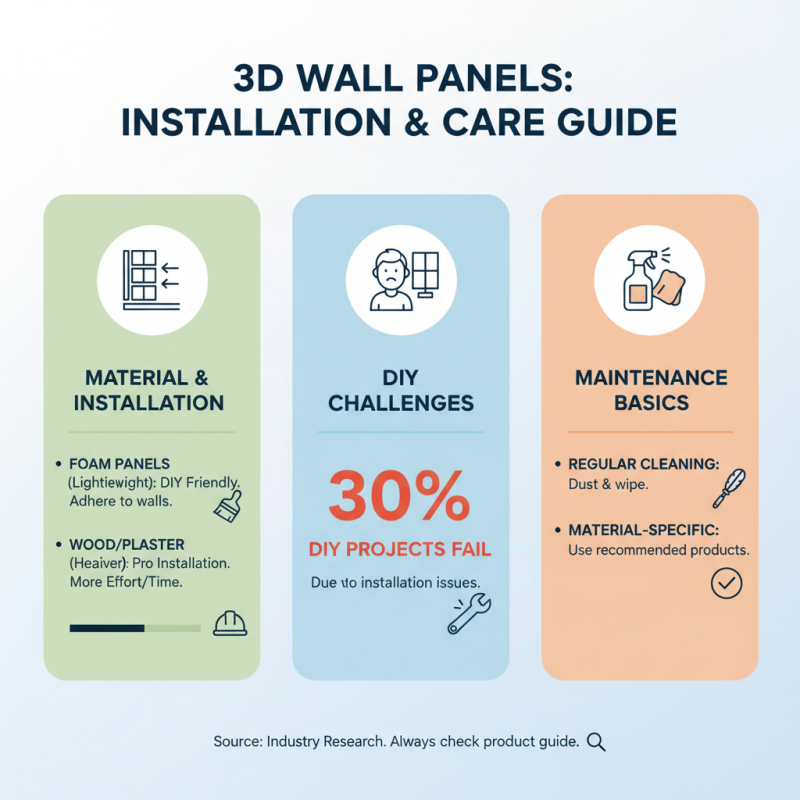
When selecting the best 3D wall panels, understanding installation methods and maintenance is crucial. Different panel materials can greatly influence the ease of installation. For instance, foam panels are lightweight and can often be adhered directly to walls. This is ideal for DIY enthusiasts. However, heavier materials like wood or plaster may require professional installation. It's common for homeowners to underestimate the time and effort needed for proper installation. Research shows that around 30% of DIY projects fail due to installation challenges.
Maintenance needs vary widely by material. Plastic panels may only require a simple wipe with a damp cloth. On the other hand, wood panels may need periodic sealing to avoid moisture damage. A study indicated that neglecting maintenance can decrease a panel's lifespan by up to 50%. It’s easy to overlook these factors, yet they can significantly impact your investment. Regular upkeep is often more time-consuming than anticipated. Knowing what to expect can save you trouble down the road.
Budgeting for Cost-Effective 3D Wall Panel Solutions
When budgeting for 3D wall panels, consider the material types available. According to industry reports, the average cost ranges from $5 to $25 per square foot. High-quality materials often carry a higher price tag, but they provide durability and aesthetic appeal. It’s important not to overlook cheaper options, as some lower-cost panels can look impressive yet may not withstand wear over time.
Tip: Measure your space accurately before purchasing. A common mistake is underestimating square footage, leading to last-minute expenses. Research installation costs as well. Professional installation can add $2 to $6 per square foot, depending on complexity. Sometimes, DIY approaches save money but require skill.
Avoid rushing this decision. A trendy design today might feel outdated tomorrow. Explore samples before committing to a large purchase. Some retailers offer refund policies for unused panels, which is worth considering. Investing in versatile styles can keep your decor fresh over time. Balancing cost with aesthetics is essential for a satisfactory outcome.

 Hot Selling