How to Choose the Best Bamboo Wood Veneer for Your Home Projects
When it comes to enhancing the aesthetic appeal of your home projects, choosing the right materials is crucial. One popular option that has gained significant attention is Bamboo Wood Veneer. Known for its unique texture, sustainability, and versatility, Bamboo Wood Veneer is an excellent choice for a variety of applications, from cabinetry to wall coverings. However, with a wide range of options available in the market, selecting the best Bamboo Wood Veneer can be a daunting task.
In this guide, we will delve into the essential aspects to consider when choosing Bamboo Wood Veneer for your projects. Understanding factors such as thickness, grain patterns, and finish will help you make an informed decision that aligns with your design goals. Additionally, we will explore the environmental benefits of bamboo, which can enhance the sustainability of your home. Whether you are a DIY enthusiast or a professional designer, the right Bamboo Wood Veneer can elevate your space while reflecting your personal style.
Understanding Bamboo Wood Veneer: Properties and Benefits
Bamboo wood veneer is an increasingly popular choice for home projects due to its unique properties and numerous benefits. One of the standout characteristics of bamboo is its fast growth—harvesting can occur in just a few years, making it an environmentally friendly option compared to traditional hardwoods. Additionally, bamboo is known for its exceptional strength-to-weight ratio, providing durability while remaining lightweight. This characteristic makes it ideal for various applications, from cabinetry to wall coverings.
When selecting bamboo wood veneer, consider its finish and grain patterns. A natural finish enhances the bamboo’s inherent beauty, showcasing its unique texture and color variations, while a stained finish can add a modern touch. Additionally, the grain patterns can vary significantly; some may prefer the straight grain for a clean look, while others might opt for a more exotic, random grain that adds visual interest.
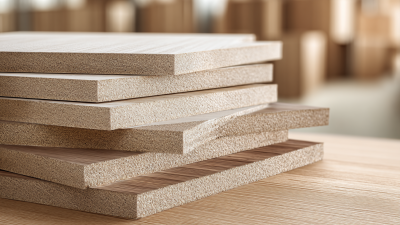
**Tips:** Before purchasing, always request samples to see how the veneer will look in your specific space. Pay attention to the thickness of the veneer, as thicker options tend to be more durable and easier to work with for DIY projects. Lastly, consider the veneer’s core material; a high-quality backing will not only improve stability but also ease installation.
How to Choose the Best Bamboo Wood Veneer for Your Home Projects
| Property |
Details |
Benefits |
| Sustainability |
Bamboo is a rapidly renewable resource. |
Eco-friendly choice for home projects. |
| Durability |
Bamboo is stronger than many hardwoods. |
Long-lasting and resistant to wear. |
| Versatility |
Available in various styles and finishes. |
Fits a wide range of home decor styles. |
| Lightweight |
Easy to handle and install. |
Less effort required during installation. |
| Aesthetic Appeal |
Natural grain patterns and warm tones. |
Enhances the beauty of any space. |
| Cost |
Generally more affordable than other hardwoods. |
Budget-friendly for home improvement projects. |
Types of Bamboo Wood Veneer: A Comprehensive Overview
Bamboo wood veneer has gained popularity in recent years due to its sustainability and aesthetic appeal. There are several types of bamboo veneers available, each offering unique characteristics suitable for various home projects. The most common types include flat sliced, quarter sliced, and rift cut veneers. Flat sliced bamboo, often characterized by its broad grain pattern, provides a classic look and is ideal for decorative applications such as cabinetry and furniture. Quarter sliced veneers, on the other hand, exhibit a more linear grain that gives a contemporary feel, making them suitable for modern design projects.
According to a report by the Forest Stewardship Council, bamboo is one of the fastest-growing plants in the world, capable of growing up to 91 cm in a single day, which highlights its eco-friendly credentials. This rapid growth not only allows for sustainable harvesting but also results in a sturdy material that can compete with hardwoods in durability. Moreover, the increasing demand for sustainable building materials has prompted a rise in the adoption of bamboo veneers in residential projects, with the global bamboo market expected to reach $98 billion by 2025, according to market research trends. This growth reflects a shift toward environmentally friendly options in home design, making bamboo veneers an attractive choice for homeowners looking to enhance their living spaces while being mindful of their ecological impact.
Factors to Consider When Selecting Bamboo Wood Veneer
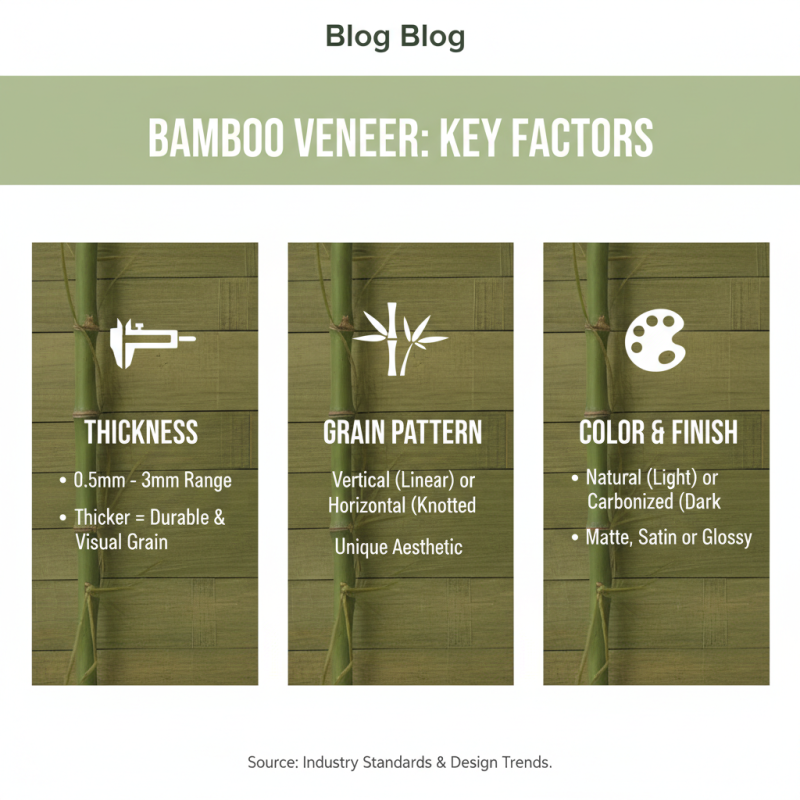
When selecting bamboo wood veneer for your home projects, several critical factors should be considered to ensure you choose the best option for your needs. One of the primary aspects is the thickness of the veneer. Industry standards suggest that veneer typically ranges from 0.5mm to 3mm in thickness, with thicker veneers often providing more durability and ease of handling during installation. Additionally, the thickness affects the overall aesthetic; thicker veneers can showcase the unique grain patterns of bamboo more effectively, enhancing the visual appeal of your project.
Another vital consideration is the grade of the bamboo veneer. Professional reports indicate that bamboo veneers are graded based on factors such as color consistency, grain pattern, and the presence of knots or defects. Higher-grade veneers typically offer superior quality, making them ideal for high-end interior applications. It's essential to weigh the desired aesthetic against budget considerations; opting for a lower-grade veneer may save costs but could compromise the desired quality. Lastly, consider the sustainability credentials associated with bamboo, as certification from organizations like the Forest Stewardship Council (FSC) can assure you of responsible sourcing practices, which are increasingly becoming a priority for environmentally conscious consumers.
Practical Applications for Bamboo Wood Veneer in Home Decor
Bamboo wood veneer offers an eco-friendly and stylish option for various home decor projects, making it a versatile choice for interior design enthusiasts. Its natural elegance can enhance numerous applications, from cabinetry and furniture to wall treatments and art pieces. For instance, incorporating bamboo veneer into custom furniture design can create a striking visual impact while showcasing a commitment to sustainable materials. Its unique grain patterns and warm tones add depth to any space, making it an excellent choice for both modern and traditional aesthetics.
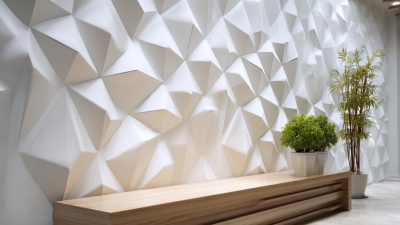
In addition to furniture, bamboo wood veneer can be creatively applied in wall panels and accent walls, providing an organic touch to living spaces. This material can help improve acoustics and thermal insulation, making it not only aesthetically pleasing but also functional. Furthermore, DIY enthusiasts can utilize bamboo veneer for crafting decorative items, such as picture frames and shelving units, which can serve as personalized touches throughout the home. The adaptability of bamboo veneer in different projects underscores its growing popularity as a go-to material for those looking to infuse their living areas with style and sustainability.
Best Bamboo Wood Veneer Applications in Home Decor
Caring for and Maintaining Bamboo Wood Veneer Products
Caring for bamboo wood veneer products is essential to ensure their longevity and aesthetic appeal. First and foremost, regular dusting with a soft, dry cloth can help maintain the surface. This simple maintenance routine prevents dirt and grime buildup, keeping the veneer looking fresh and vibrant. If deeper cleaning is required, slightly dampening the cloth with water or a mild, non-abrasive cleaner can be effective. However, it’s crucial to avoid soaking the veneer, as excessive moisture can warp or damage the wood.
To further protect your bamboo veneer, consider using coasters and placemats when placing hot or wet items on its surface. This practice helps prevent unsightly rings and potential heat damage. Additionally, keeping bamboo veneer out of direct sunlight can prevent fading and discoloration over time. For areas that experience high traffic or usage, applying a suitable protective finish or sealant can enhance durability while retaining the natural beauty of the bamboo. With these simple maintenance tips, your bamboo wood veneer products can remain beautiful and functional for years to come.

 Hot Selling