How to Choose the Best Wpc Fence Panel for Your Needs?
Choosing the right WPC fence panel is crucial for enhancing your outdoor space. With the rise in demand for sustainable materials, WPC (Wood-Plastic Composites) has gained significant attention. According to a report by Transparency Market Research, the global WPC market is expected to grow at a CAGR of over 12% from 2023 to 2030. This trend highlights the increasing preference for eco-friendly fencing solutions.
WPC fence panels are known for their durability and resistance to elements. They require less maintenance than traditional wood fencing. However, not all WPC panels are created equal. It's important to consider factors like material quality, thickness, and surface treatment. A poorly chosen panel can warp or discolor over time, undermining your investment.
For many, the aesthetic appeal of WPC panels plays a key role in decision-making. They come in various colors and textures, mimicking natural wood while offering longevity. Potential buyers must balance beauty with functionality. Remember that a hasty choice can lead to regret. Taking the time to evaluate your options will help you find the best WPC fence panel tailored to your needs.
Factors to Consider When Choosing WPC Fence Panels
When choosing WPC fence panels, several factors come into play. Start by evaluating the material’s durability. WPC (Wood-Plastic Composite) is known for its resistance to rot and insects. It blends the best qualities of wood and plastic. However, not all WPC materials are created equal. Check for high-quality composites to ensure longevity.
Another consideration is the aesthetic appeal. WPC fence panels come in various styles and colors. Decide on a design that complements your property. A well-chosen panel can enhance curb appeal significantly. Don’t forget about maintenance. Some WPC options require less upkeep, making them ideal for busy homeowners.
Tips: Look for panels with UV protection. This feature helps maintain color over time. It’s also wise to think about installation. Some WPC panels are easier to fit together, saving you time and effort. Always weigh your options carefully before making a choice. Your decision now impacts future satisfaction with your fencing.
How to Choose the Best WPC Fence Panel for Your Needs? - Factors to Consider When Choosing WPC Fence Panels
| Factor |
Description |
Importance Rating (1-5) |
Examples |
| Material Quality |
Assess the durability and longevity of WPC materials compared to traditional wood. |
5 |
High-density WPC vs. Low-density WPC |
| Design Options |
Variety of styles, colors, and finishes available to match your landscaping. |
4 |
Horizontal slats, vertical panels, decorative designs |
| Environmental Impact |
Consider whether the material is eco-friendly and sustainably sourced. |
3 |
Recycled materials, certifications |
| Maintenance Requirements |
How easy is it to maintain the fence over time? |
5 |
Cleaning frequency, resistance to pests |
| Cost |
Evaluate the overall price including installation and long-term value. |
4 |
Per square foot pricing, warranty value |
| Local Regulations |
Check for any regulations or guidelines for fencing materials in your area. |
3 |
Height restrictions, installation permits |
Types of WPC Materials and Their Benefits
WPC, or Wood-Plastic Composite, is an innovative material combining the best of wood and plastic. It has unique benefits that make it a popular choice for fencing. WPC fencing panels are durable and resistant to weather, rot, and pests. This can lead to long-term cost savings since less maintenance is required.
There are various types of WPC materials available. Some prioritize aesthetics, mimicking natural wood grains. Others focus on enhanced durability and strength. It's essential to consider your local climate and specific needs when choosing WPC panels. For example, a more robust option may be necessary in areas prone to heavy rainfall. Each type offers different aesthetics and functionality.
Choosing the right WPC panel can be challenging. Many factors influence this decision, including cost, installation ease, and environmental impact. Reflecting on your primary needs is crucial, as you may discover that an eco-friendly option aligns with your values. Experimenting with different textures and colors can help you create a unique look for your property.
Measuring Your Space for the Perfect Fit
Measuring your space accurately is crucial when selecting WPC fence panels. To start, gather your tools: a measuring tape, a notepad, and a pen. Measure the length and height of the area you want to enclose. According to industry reports, 75% of installation issues arise from improper measurements. Without precision, you risk costly adjustments later.
Consider the layout of the space. Are there corners, curves, or obstacles? Each factor impacts how many panels you'll need. You might overestimate, leading to excess material. Alternatively, underestimating can result in gaps. The average residential fence requires between 100 to 150 linear feet of material. Understanding the specific requirements for your project aids in making informed decisions.
Think about the panel height as well. Standard heights range from 3 to 6 feet. The ideal height depends on your needs, whether for privacy or aesthetics. Too short may provide insufficient coverage, while too tall could overwhelm your yard. To ensure the best fit, visualize your space with temporary markers. This visual can help you reflect on what might work best for your needs before making a purchase.
Design Options and Aesthetic Considerations
When selecting a WPC (Wood Plastic Composite) fence panel, design options play a crucial role. Many available styles cater to diverse tastes, from traditional to modern aesthetics. According to industry reports, nearly 70% of homeowners prioritize visual appeal when choosing fencing materials. A well-chosen fence can enhance curb appeal and increase property value.
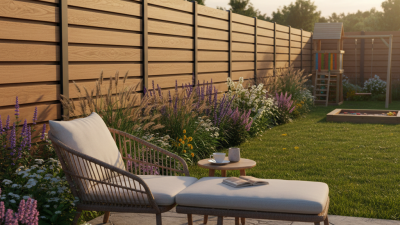
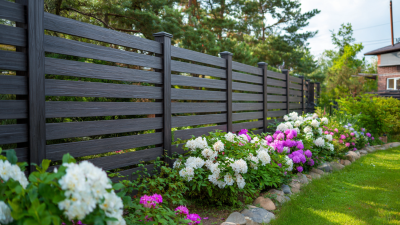
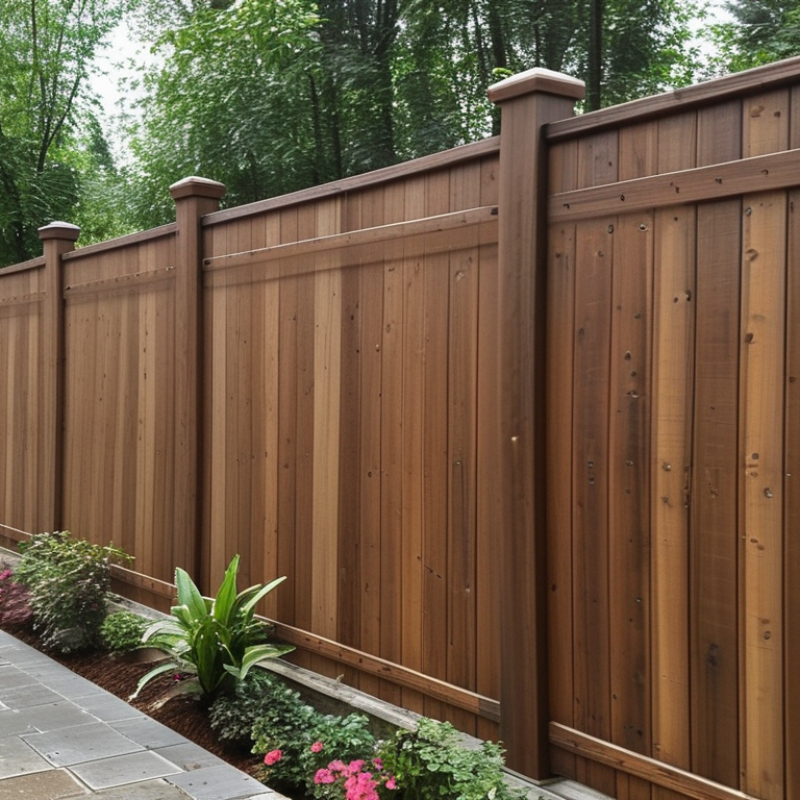
Consider color and texture carefully. WPC panels often come in various finishes, mimicking natural wood or offering sleek, contemporary looks. Dark shades can create a striking contrast against greenery, while lighter tones may offer a more subtle appearance. Remember, the right color can set the mood for your outdoor space.
**Tip:** Always request samples before purchasing. This will help you visualize how colors interact with your landscape.
Material durability also impacts aesthetic choices. WPC is resistant to weather and pests, maintaining its look over time. However, not all WPC is created equal. Some panels may fade faster than others, affecting their long-term appeal. Check product specifications and reviews, ensuring you choose a brand with a solid reputation.
**Tip:** Consult professionals for installation tips. A proper installation can maximize durability and visual appeal.
WPC Fence Panel Design Options and Aesthetic Considerations
Installation and Maintenance Tips for WPC Fences
Installing WPC fences offers a balance of aesthetic appeal and durability. To start, proper placement is vital. Make sure the ground is level. Uneven surfaces can lead to instability. Take your time measuring. It might feel tedious, but precision matters. Consider using posts that are sturdy and resistant to rot.
Once your panels are in place, maintenance is key. Clean them regularly with soap and water. A soft brush can help remove dirt and stains. Avoid harsh chemicals; they can damage the material. It’s important to inspect your fence for any cracks or signs of wear. Small issues can become big problems if left unchecked. Evaluate the condition of your fence at least twice a year.
Think about the environment around your fence too. Vegetation can impact the integrity of your panels. Trim bushes and overhanging branches to prevent moisture buildup. Regular care will enhance the lifespan of your WPC fence. Embrace the process; caring for your fence is an ongoing commitment.

 Hot Selling