How to Choose the Right Wall Panel for Your Home Decor?
Choosing the right wall panel can transform your space. The materials, designs, and colors vary widely. Each option tells a different story.
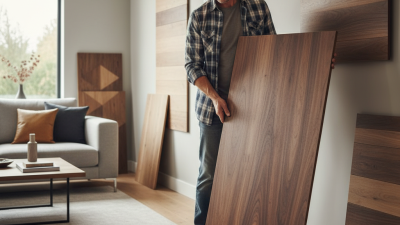
Consider your home’s existing decor. A sleek, modern wall panel may clash with a rustic setting. On the other hand, textured wood can add warmth to a minimalist design. Explore various styles to find what resonates.
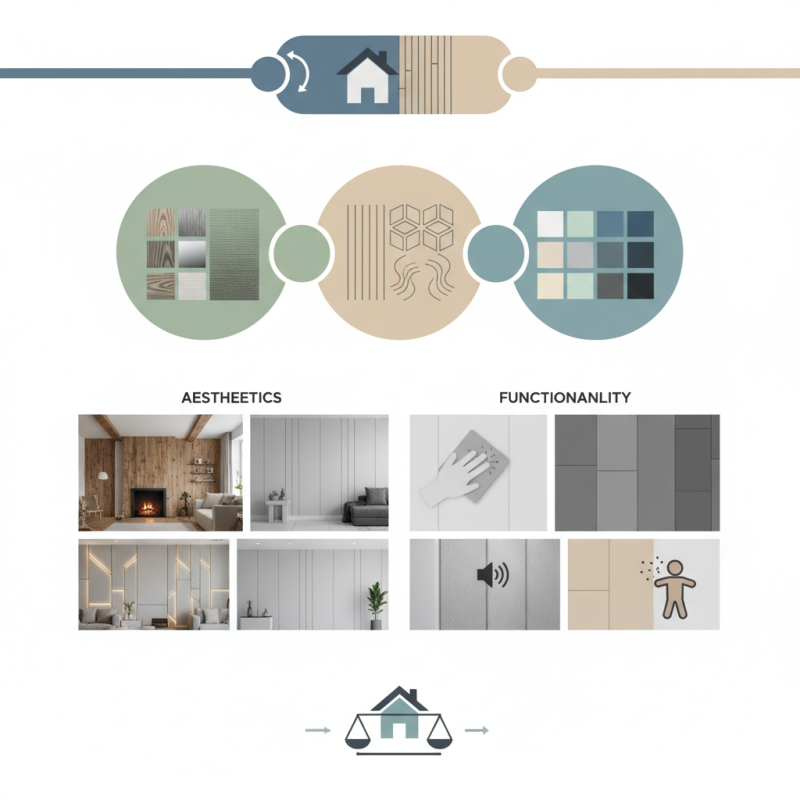
It’s not just about looks. Wall panels must also meet practical needs. Consider durability and maintenance. Some may chip easily. Reflecting on your lifestyle could guide your choice. It’s essential to find a balance between aesthetics and functionality.
Factors to Consider When Selecting Wall Panels for Home Decor
When selecting wall panels for home decor, consider several key factors.
The material type plays a crucial role.
Wood, MDF, and PVC each have unique characteristics.
Wood offers warmth but can warp in humid areas.
MDF is more stable and cost-effective, yet it may lack the charm of natural wood.
PVC is water-resistant, making it ideal for bathrooms and kitchens, but sometimes lacks an authentic aesthetic.
Aesthetic appeal is just as important. Research shows that 85% of consumers value design over functionality when choosing decor. Color and texture can transform a space. For a cozy living room, opt for warmer tones. For a modern look, cooler shades might work better. Don’t forget about lighting effects. Panels can reflect or absorb light, altering the room's atmosphere.
Lastly, consider maintenance and durability. Some materials require regular upkeep, while others can be low-maintenance. For instance, painted panels may need touch-ups. According to industry reports, 45% of homeowners express frustration over maintaining their decor. Choosing the right wall panel should balance aesthetics, functionality, and care.
It’s crucial to reflect on what suits your lifestyle best.
Types of Wall Panels and Their Aesthetic Appeal
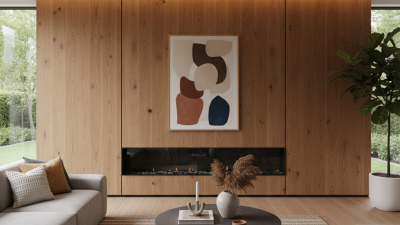
Wall panels can transform your home’s aesthetic. Different types of wall panels offer unique styles and atmospheres. For example, wood panels add warmth and texture. They create a cozy, rustic feel. In contrast, metal panels bring a modern edge. They can make a space feel sleek and industrial.
When choosing wall panels, think about the room’s purpose. For living areas, soft colors work well. They create a calm environment. In bedrooms, consider panels that provide sound insulation. Acoustic panels can absorb noise, enhancing relaxation. A gallery wall with panels can showcase your favorite artwork beautifully.
Tips: Think about contrast. Choose panels that complement your existing decor. Avoid overcrowding with too many materials. Less can be more.
Each type of wall panel has its own charm. Some may clash with your taste. Reflect on how you want the space to feel. Don't rush the decision. Take your time to explore different options. A careful selection can elevate your décor significantly.
Wall Panel Types and Their Aesthetic Appeal
Material Choices for Wall Panels: Pros and Cons
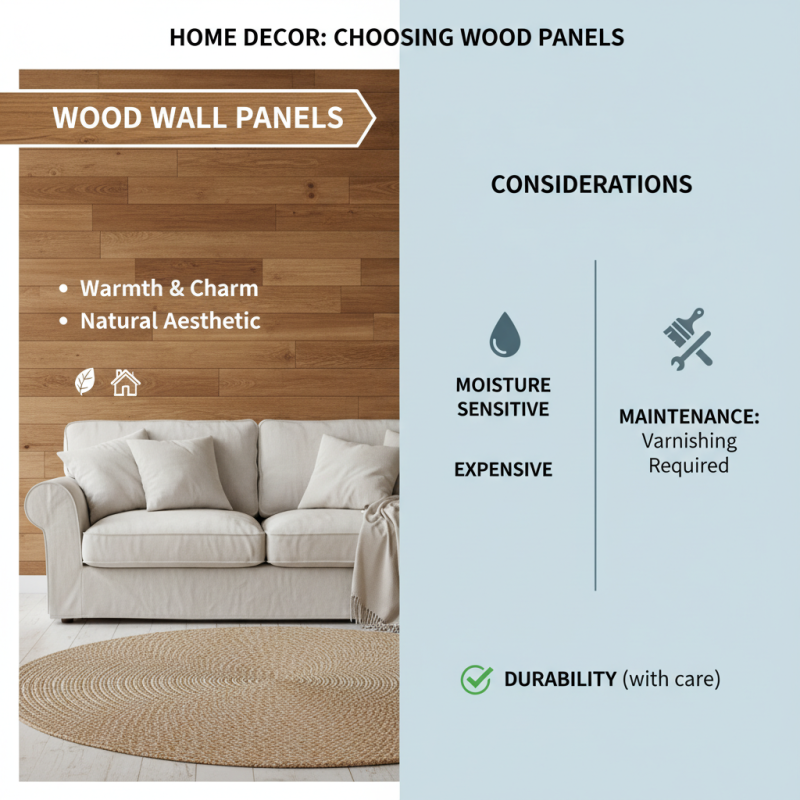
Choosing the right wall panel for home decor is vital. Different materials offer unique benefits and drawbacks. Wood panels bring warmth and charm. However, they can be expensive and susceptible to moisture. Maintenance is key. Regular varnishing keeps them looking fresh, yet it requires effort.
On the other hand, vinyl panels are cost-effective and easy to clean. They come in various styles, mimicking wood or stone. Yet, some people find them less authentic. The feel and look can differ from natural materials. If you prioritize a budget-friendly option, vinyl might suit you.
Laminates offer durability and a wide range of designs. They resist stains and scratches well. But they can appear artificial. A well-placed laminate can elevate a room. However, choosing one that complements your decor is critical. Remember that aesthetics and functionality should align. Balancing these factors might take time and revisions.
How to Match Wall Panels with Existing Interior Design
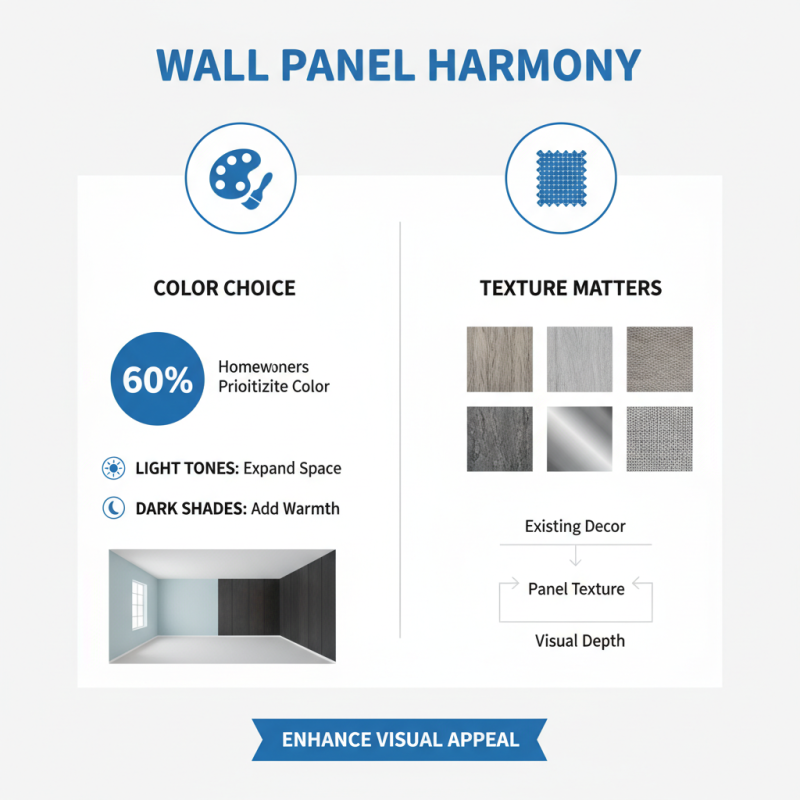
When it comes to matching wall panels with your existing interior design, color and texture play crucial roles. Studies show that 60% of homeowners prioritize color harmony. Choosing a panel hue that complements your room's palette can enhance visual appeal. For instance, light tones can make a small space feel larger. Dark shades, conversely, add warmth and intimacy.
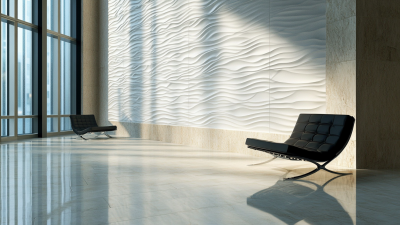
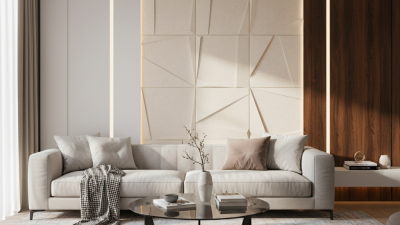
Textures also impact the overall feel of a room. A smooth panel can offer a sleek, modern touch, while a textured finish may evoke a rustic charm. According to design reports, spaces with mixed textures can add depth, but achieving balance is essential. Too many contrasting textures can overwhelm a room.
Additionally, consider the furniture and decor. A cohesive look integrates various elements without clashing. Research highlights that 70% of successful designs rely on thoughtful pairing. It's essential to select panels that echo the style of your furniture. For example, minimalist designs suit contemporary pieces. However, blending styles might lead to confusion. Aim for unity, but allow for some variation. These choices should reflect who you are.
Installation Techniques for Wall Panels in Different Spaces
When selecting wall panels, consider various installation techniques for different spaces. In living areas, ensure panels create a warm atmosphere. Choose materials that complement your furniture. Wood panels add texture. They can make a large space feel cozy.
For kitchens, think about durability and moisture resistance. A waterproof laminate could be ideal. Installation should be easier if you plan ahead. Use adhesive for quick fixes or screws for a more secure hold. Ensure the surface is clean before you start.
Tips: Always measure your walls accurately. A small error can lead to noticeable gaps. Test a small section first. Not every finish will look great in all lights. Pay attention to how natural light affects the colors. You may find imperfections become areas for creativity. Embrace the unique character each panel brings.

 Hot Selling