How to Choose Wpc Decking for Your Outdoor Spaces?
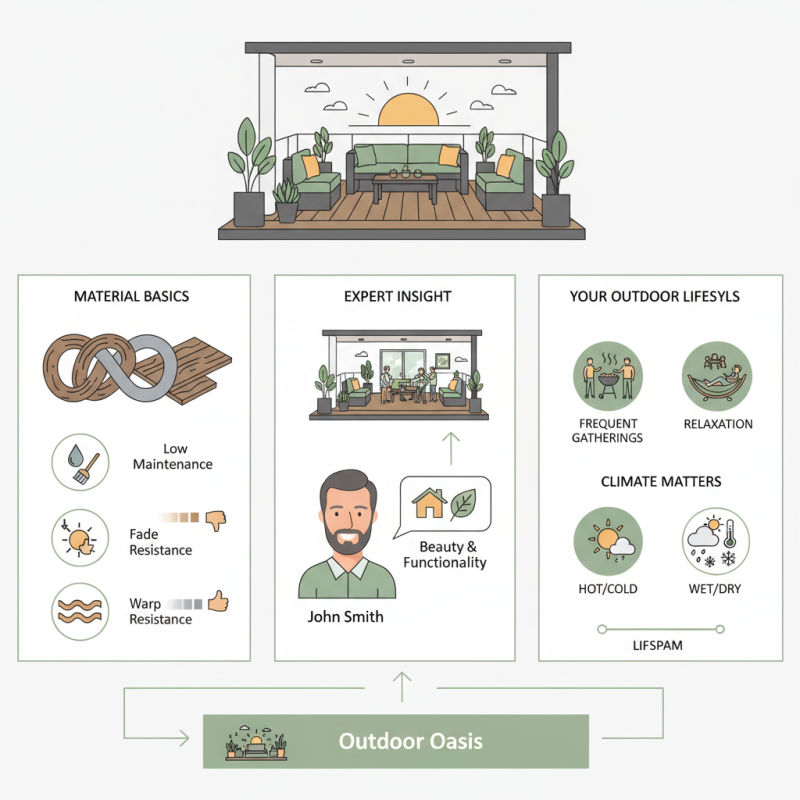
Choosing the right Wpc Decking Outdoor can transform your space. Industry expert, John Smith, emphasizes, "The right decking adds beauty and functionality to any outdoor area." Understanding how to select the perfect materials is crucial.
Wpc Decking Outdoor combines wood and plastic, offering durability and low maintenance. However, not all products are created equal. Some may fade quickly under sunlight, while others may warp with time. Assessing quality is vital before making a decision.
Consider the specific needs of your outdoor area. Do you host frequent gatherings or simply wish to relax? Examine your climate. It also plays a crucial role in the lifespan of the decking. Many overlook these details, leading to less-than-satisfactory outcomes. Reflecting on these aspects will guide you to make the best choice for your outdoor oasis.
Understanding WPC Decking: What It Is and Its Benefits
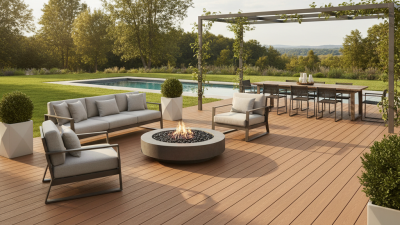
WPC decking, or wood-plastic composite decking, combines wood fibers with plastic. This material is gaining popularity for outdoor spaces due to its durability and low maintenance requirements. WPC decking resists rot and insects, making it ideal for decks, patios, and walkways. It also mimics the look of natural wood without the drawbacks.
When choosing WPC decking, consider your environment. If you live in a humid area, select a version designed for moisture resistance. Light colors may reflect heat, while dark tones can absorb it. Think about color fading too. Many WPC materials fade over time, so look for fade-resistant options.
Tips: Always seek samples before making a decision. Test different colors and textures. You may find that the material feels different than expected. Check local regulations on building codes. Sometimes, the right decking needs specific permits. It’s easy to overlook such details, but they matter.
Factors to Consider When Choosing WPC Decking for Your Space
Choosing WPC decking for your outdoor space can be overwhelming. There are several factors to consider that will impact your choice. One key consideration is climate. WPC materials can withstand various weather conditions, but some perform better in humidity or extreme heat.
Another important factor is aesthetics. The color and texture of the decking should complement your outdoor space. Look for shades that match your home and existing landscaping. Consider how sunlight impacts the look of the decking at different times of day.
Tips: Check the warranty. A longer warranty often indicates better quality. It's also wise to research maintenance needs. Some WPC decking requires more upkeep than others, which could be a hassle in the long run. Lastly, think about installation. Will you hire a professional, or do it yourself? This choice can significantly affect your budget and time.
Lastly, consider the
environmental impact. WPC decking often uses recycled materials, making it a more sustainable choice. However, it's essential to assess the sourcing of these materials. Not all WPC products are created equal, and some may still have environmental drawbacks.
Balance your options carefully to find the best fit for your outdoor area.
Types of WPC Decking: Styles, Colors, and Finishes Available
When selecting WPC decking for outdoor spaces, the choices in styles, colors, and finishes can be overwhelming. WPC, or wood-plastic composite, offers a significant variety. According to a recent industry report, about 54% of homeowners prefer WPC decking due to its low maintenance and eco-friendly nature. With long-lasting materials, homeowners can opt for styles ranging from traditional wood-look to sleek modern designs.
Colors play a crucial role in WPC decking. Available options range from earthy tones to vibrant shades, catering to diverse aesthetic preferences. About 65% of consumers choose neutral colors to blend with natural surroundings. However, lighter colors may fade over time, requiring regular upkeep. Darker shades are popular, yet they can absorb heat, making outdoor spaces uncomfortable in the sun.
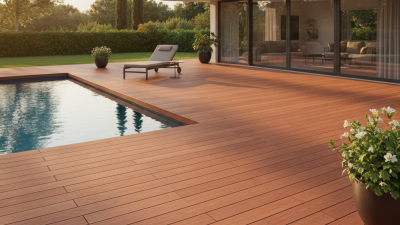
Finishes also greatly affect the overall look and feel. Textured finishes provide slip resistance, essential for poolside areas. However, they may accumulate dirt more easily compared to smooth surfaces. A balance between style and functionality is vital. As designs evolve, it's critical to stay informed about trends and materials to make the best choice for your outdoor environment.
How to Choose WPC Decking for Your Outdoor Spaces? - Types of WPC Decking: Styles, Colors, and Finishes Available
| Type |
Color Options |
Finish Type |
Texture |
Durability |
| Classic WPC |
Brown, Gray, Beige |
Smooth |
Sleek |
15-20 years |
| Barefoot Friendly WPC |
Teak, Charcoal |
Textured |
Natural Wood Look |
25 years |
| Eco-Friendly WPC |
Green, Brown, Grey |
Matte |
Rough |
20 years |
| Luxury WPC |
Antique Pine, Slate |
Glossy |
Rich |
30 years |
| Commercial Grade WPC |
Blue, Gray, Forest Green |
Non-Slip |
Textured |
20-25 years |
Evaluating WPC Decking Durability and Maintenance Requirements
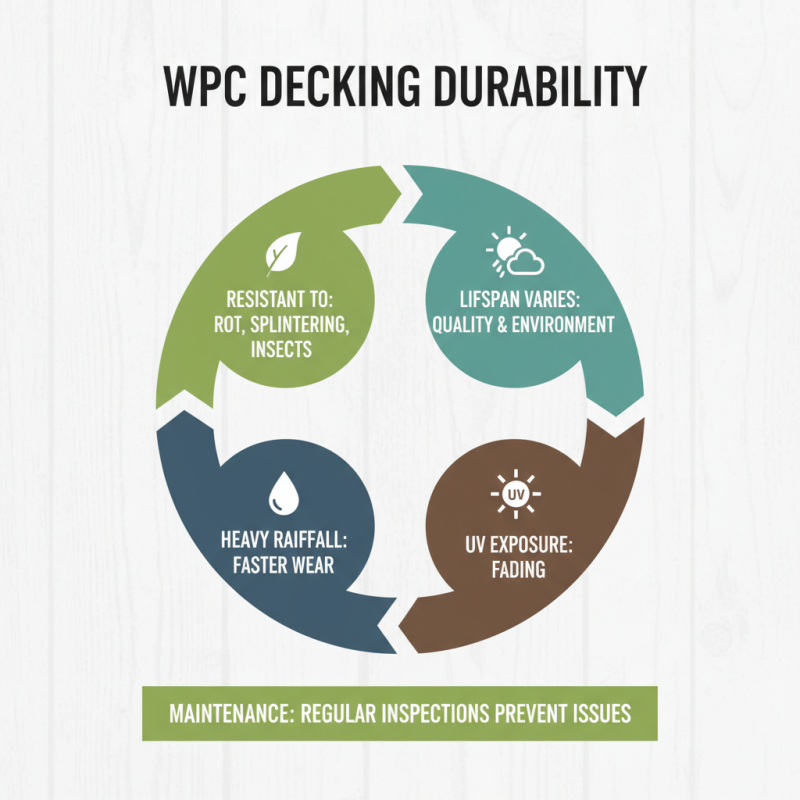
When evaluating WPC decking, durability is crucial. This material resists rot, splintering, and insects. Yet, its lifespan depends on quality and environmental factors. Regions with heavy rainfall might see wear faster. In sunny areas, UV exposure can lead to fading. Regular inspections can help identify issues early.
Maintenance requirements for WPC decking are minimal, but not zero. A simple wash with soap and water can keep it looking fresh. However, dirt can build up in crevices, requiring deeper cleaning. Some homeowners find stains challenging to remove. It's vital to keep up with maintenance to prolong the decking’s life.
Weather changes can also impact your choice. Rain and sun affect the color and texture over time. Some WPC options fade quicker than others. Observing how decking performs in local conditions can inform your decision. If you have pets or children, consider how slippery it may be when wet. Thinking about these real-life scenarios can lead you to a more suitable choice.
Comparing Costs: WPC Decking vs. Traditional Wood Options
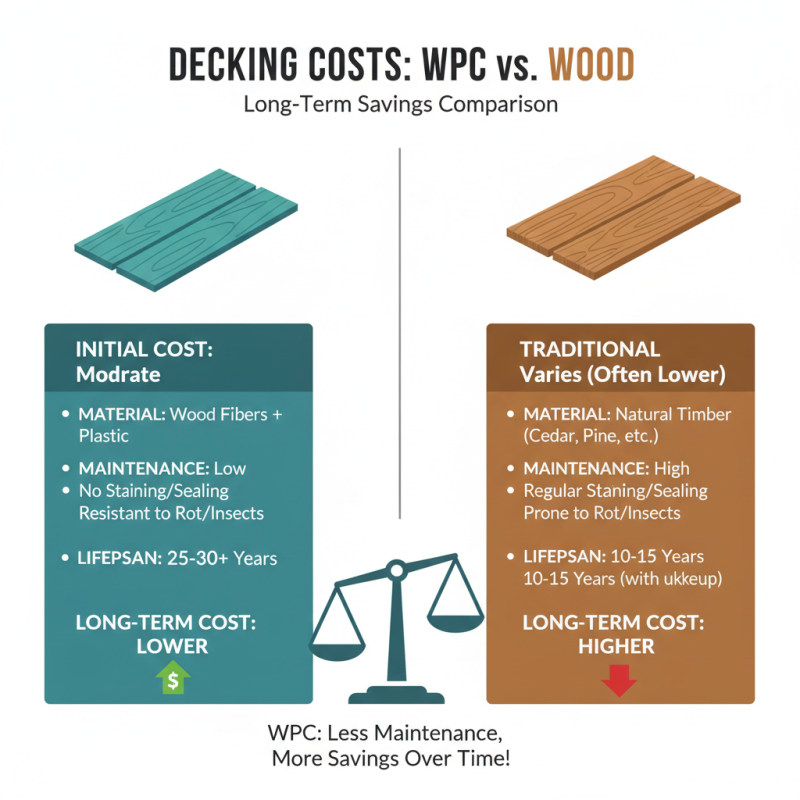
When comparing costs, WPC decking often appears cheaper than traditional wood. WPC, or wood-plastic composite, combines wood fibers with plastic. This mixture can lower maintenance costs over time. You won't need to stain or seal WPC as much as wood, saving you money on supplies.
However, the initial price of WPC decking can be higher than untreated wood. Some people overlook quality differences. Cheaper options may look appealing, but they often lack durability. Consider long-term savings versus upfront costs. If you plan to stay in your home for a while, WPC might provide better value.
Traditional wood does have charm. It can give your outdoor space a warm, classic feel. Yet, the cost of high-quality wood has risen. It requires more upkeep, like regular sealing and painting. Such tasks are time-consuming and can add to your overall expenses. Weighing these factors can help you make a more informed decision.

 Hot Selling