10 Essential Tips for Choosing WPC Cladding For Your Home?
When considering home improvements, WPC cladding stands out. It's an attractive option for many homeowners. This material combines wood and plastic, offering both durability and aesthetic appeal. However, choosing the right WPC cladding can be challenging.
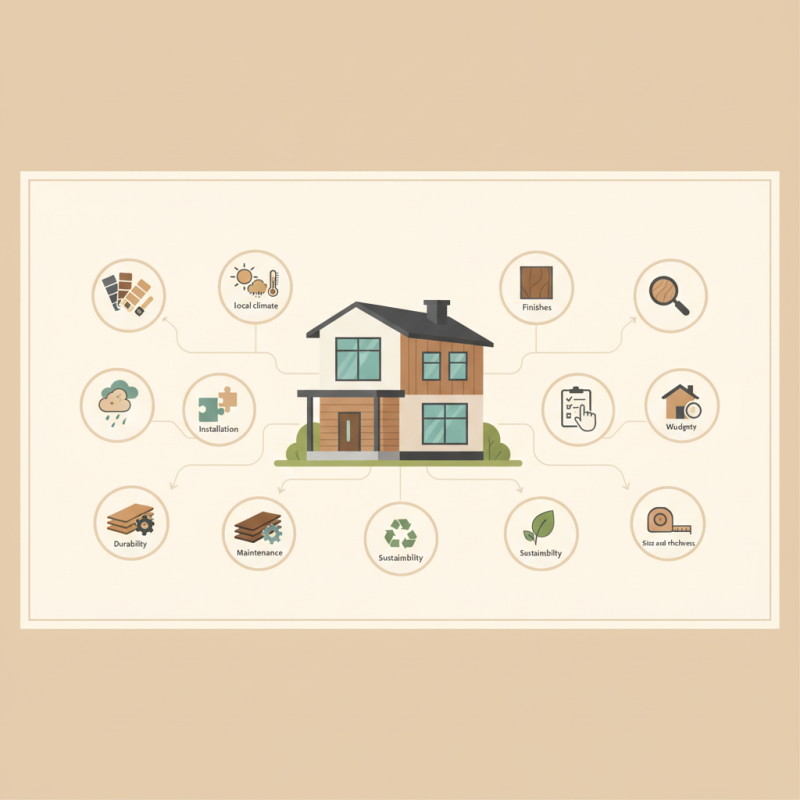
Many factors come into play. Colors and finishes greatly influence the overall look of your home. You might find it overwhelming to navigate through countless options. The wrong choice can lead to dissatisfaction later on. It's vital to consider your local climate, as WPC cladding performs differently in various conditions.
Details about installation and maintenance are also crucial. A lot of homeowners overlook these aspects. Not all WPC cladding is easy to install or maintain, which can lead to future headaches. In this guide, we'll share essential tips to help you make the best decision. Understanding these components will ensure a rewarding cladding experience.
Understanding WPC Cladding: Definition and Benefits for Homeowners
WPC cladding, or Wood Plastic Composite cladding, is an innovative building material. It combines wood fibers with recycled plastic. This mix creates a product that withstands harsh weather. Homeowners love its durability and low maintenance. Unlike traditional wood, it resists rot and pests. It doesn't need annual painting, making it cost-effective in the long run.
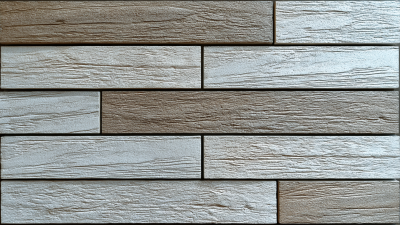
The aesthetic appeal is another highlight. WPC cladding comes in various colors and textures. It can mimic the look of natural wood without its drawbacks. This option can add character to any home exterior. However, not all WPC products are created equal. Some may fade or warp over time. It's essential to research and choose wisely.
Homeowners should also consider installation and compatibility. Some WPC cladding options may require specific tools. Others can be easier to install as a DIY project. It’s crucial to reflect on your home's style and environment. A hasty decision can lead to unexpected results. Take your time and weigh the benefits against possible drawbacks.
10 Essential Tips for Choosing WPC Cladding For Your Home
| Tip Number |
Tip Description |
Benefits |
Considerations |
| 1 |
Evaluate the durability |
Long-lasting and resistant to weather |
Ensure quality materials |
| 2 |
Check for termite resistance |
Minimized maintenance costs |
Research performance ratings |
| 3 |
Consider the aesthetic appeal |
Enhances home appearance |
Choose colors and finishes wisely |
| 4 |
Look for eco-friendly options |
Sustainable building practice |
Verify material certifications |
| 5 |
Assess maintenance requirements |
Simplifies upkeep |
Understand cleaning processes |
| 6 |
Measure thermal efficiency |
Improves energy efficiency |
Consider insulation properties |
| 7 |
Examine warranty terms |
Assurance of quality |
Compare different warranties |
| 8 |
Choose the right installation method |
Ensures longevity |
Consult professionals if needed |
| 9 |
Research the manufacturer's reputation |
Confidence in product quality |
Read reviews and testimonials |
| 10 |
Analyze cost vs. value |
Better long-term investment |
Understand total expenditures |
Key Factors to Consider When Selecting WPC Cladding Materials
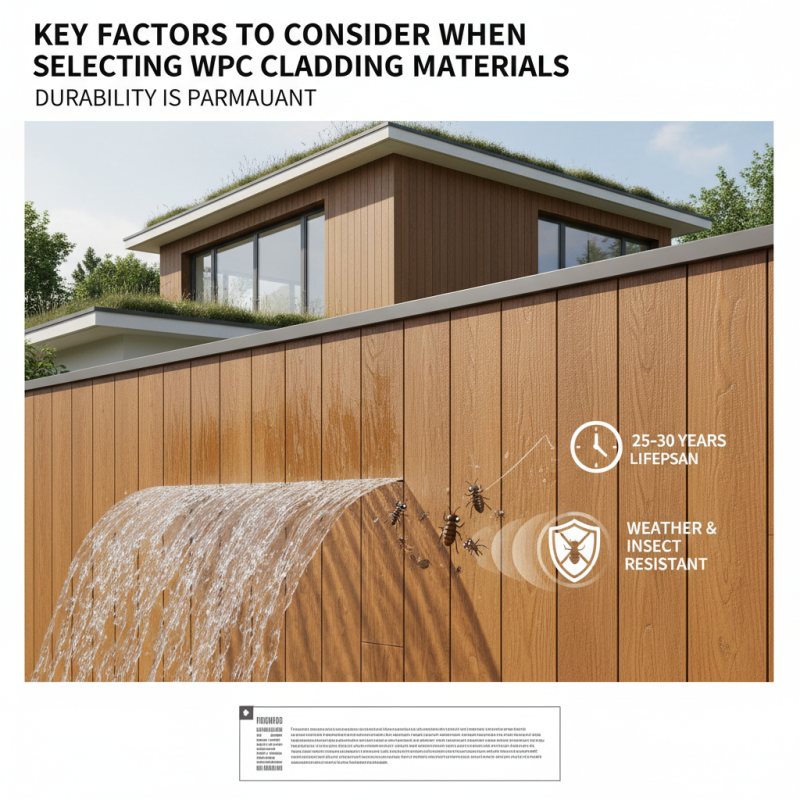
When selecting WPC cladding materials, several key factors demand attention. Durability is paramount. According to a recent industry report, WPC cladding can last between 25 to 30 years with minimal maintenance. This longevity makes it a popular choice, yet not all options offer the same resistance to weather and insect damage. Homeowners should ensure their choice withstands the test of time and environmental conditions.
Aesthetic appeal is also crucial. WPC cladding comes in various colors and textures, mimicking natural wood without the drawbacks. However, color fading can occur due to UV exposure. A study shows that quality capstock technology can reduce this effect, preserving vibrant hues longer. It's essential to examine finishes and coatings closely, as they significantly influence appearance over time.
Finally, understanding environmental impact cannot be overlooked. While WPC is marketed as eco-friendly, the sourcing of wood fibers may vary. The Global WPC Market report indicates that around 70% of consumers prefer sustainably sourced materials. Choosing WPC that reflects a commitment to sustainability can convey values to others, making it a thoughtful decision. Reflecting on these aspects can lead to better choices.
A Guide to Different Styles and Finishes of WPC Cladding
When selecting WPC cladding for your home, styles and finishes play a crucial role. WPC cladding comes in various designs, each offering unique aesthetic benefits. For instance, some options mimic traditional wood grains, while others boast a sleek, modern look. This versatility allows homeowners to choose finishes that complement their exterior perfectly.
Consider the texture of the cladding. Smooth finishes provide a contemporary feel, while textured options add depth and character. You might prefer a matte finish for a subtle touch or semi-gloss for a bit of shine. Each choice can dramatically alter your home's overall appearance.
Tip: Always think about maintenance. Some finishes require more cleaning than others. If you're not prepared for high maintenance, select a finish that is easier to care for. Additionally, pay attention to color. Darker colors can absorb more heat, affecting your energy efficiency. Sometimes, a light hue offers better thermal management, so reflect on this before committing. Choosing WPC cladding is not just about looks; practicality matters too. Each detail counts and deserves consideration.
WPC Cladding Style Popularity
This bar chart displays the popularity of various WPC cladding styles among homeowners. As illustrated, wood effect styles are favored by 35% of users, followed by solid colors at 25%, and textured finishes at 20%. Recycled material options and custom designs hold smaller shares in the market, each at 10%.
Evaluating Durability and Maintenance Requirements of WPC Cladding
When evaluating the durability of WPC cladding, it is crucial to know its lifespan and performance under stress. Studies indicate that high-quality WPC cladding can last up to 25 years. However, not all products are created equal. Some lower-end options may deteriorate quickly, often within five to ten years. This poses a significant concern for homeowners investing in exterior materials.
Maintenance plays a vital role in the longevity of WPC cladding. Regular cleaning can enhance its appearance and durability. A report by the American Wood Council suggests that without proper maintenance, WPC can suffer from mold and discoloration. Interestingly, up to 30% of homeowners neglect basic upkeep, leading to premature degradation. This oversight can result in costly repairs.
Understanding the environmental factors affecting WPC is equally important. Areas with heavy rainfall or high humidity can accelerate wear. Conversely, harsh sunlight can lead to fading. It is essential to evaluate your local climate and select a product designed for those conditions. Many consumers overlook this aspect, which can lead to disappointment down the line.

 Hot Selling