What Are Fluted Wall Panels and How to Use Them?
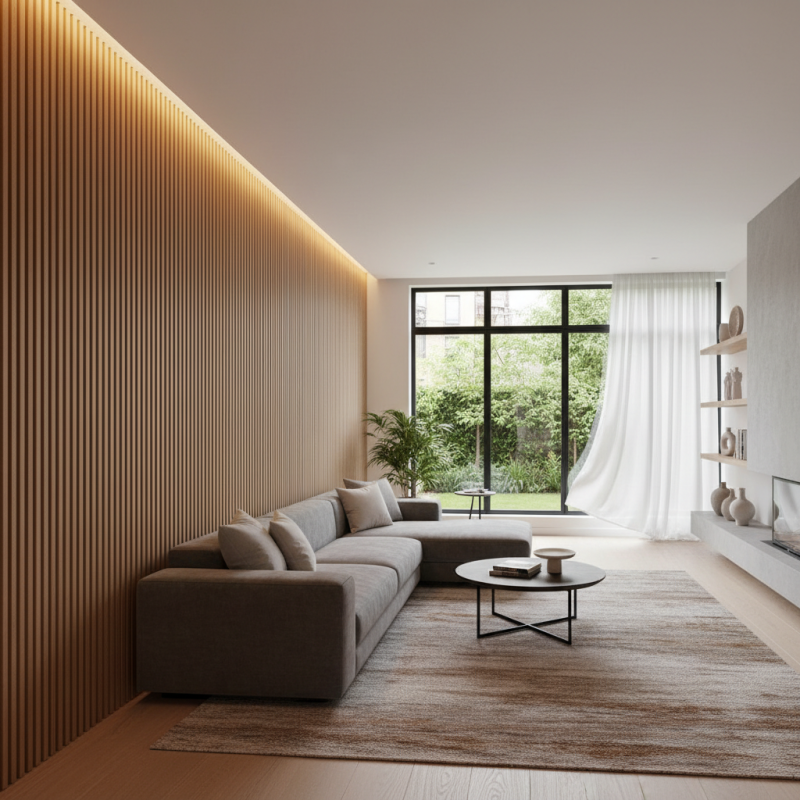
Fluted Wall Panels are gaining popularity in modern interior design. These panels feature vertical grooves that add depth and texture to walls. They are versatile and can enhance various spaces, from living rooms to offices.
Using Fluted Wall Panels can transform an ordinary wall into a striking feature. The design catches the eye and creates a sense of elegance. You can choose different materials and finishes, which allows for personalized styles. However, it's essential to consider installation costs and maintenance.
Some may feel intimidated by the design process. Knowing where to place Fluted Wall Panels can be challenging. Experimentation is key, and sometimes, mistakes can lead to unexpected beauty. With creativity, these panels can bring life to any room.
What Are Fluted Wall Panels? A Comprehensive Overview
Fluted wall panels are a stunning design element that adds depth and texture to spaces. They feature vertical grooves that catch light beautifully. This design technique can enhance both modern and traditional interiors.
When using fluted wall panels, consider your room's size and lighting. In smaller spaces, lighter colors can create an illusion of openness. Darker panels might suit larger rooms, adding warmth. Combine different widths of fluting for a dynamic look. Experimenting with vertical vs. horizontal orientation can also change the room’s perception.
Tips: Pay attention to the installation process. Aligning panels correctly is essential for a polished appearance. Also, consider the surrounding decor. Fluted panels may clash with busy patterns.
Don't forget about maintenance. Dust and dirt can accumulate in grooves. Regular cleaning is necessary to keep them looking fresh. Some people find the upkeep challenging, but it’s worth the effort for a chic aesthetic.
Historical Origins and Evolution of Fluted Wall Panels
Fluted wall panels have a rich history that dates back to ancient Greece. Craftsmen first used these decorative elements as a way to add depth to flat surfaces. The grooves created an illusion of height and grandeur. This design was more than just aesthetics; it also revealed the skills of the artisans. The fluting technique was not uniform. Variations existed based on regional styles and available materials.
During the Renaissance, fluted panels gained popularity once more. Architects and designers embraced them for their classical elegance. In noble homes, these panels adorned walls, enhancing the luxurious feel of a space. Yet, the common mistake was overuse. Some interiors became too ornate, losing the simplicity that fluted panels originally offered. Today, there is a growing trend to revisit these classic elements, often featuring them in modern designs.
While integrating fluted wall panels, it’s essential to reflect on their placement. They can enhance a room's dimension but may overwhelm smaller spaces if not used wisely. Balance is key. Choosing the right colors and materials contributes significantly to their effect. As trends evolve, the challenge remains: how to respect the tradition while making it relevant today.
Key Materials Used in Fabricating Fluted Wall Panels
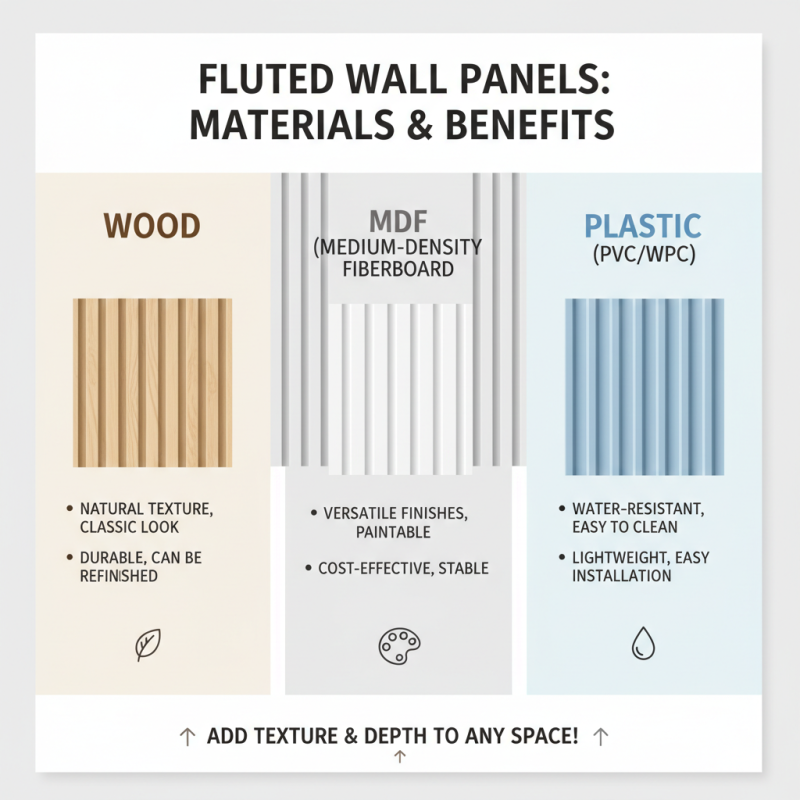
Fluted wall panels have become popular in modern interior design. They add texture and depth to spaces. The key materials used in fabricating these panels can greatly influence their look and durability. Wood, MDF, and plastic are commonly used. Each material has its unique properties.
Wood panels provide a natural warmth. They can be stained or painted to fit various styles. However, they may require maintenance over time. MDF is a versatile option. It is cost-effective and easy to work with. Yet, it may not provide the same luxury feel as solid wood.
Plastic fluted panels are lightweight and moisture-resistant. They work well in high-humidity areas. Unfortunately, they may lack the charm of natural materials. The choice of material should reflect the design intent and functionality. Each option has pros and cons, inviting careful consideration before making a decision.
Design Applications: Where to Use Fluted Wall Panels Effectively
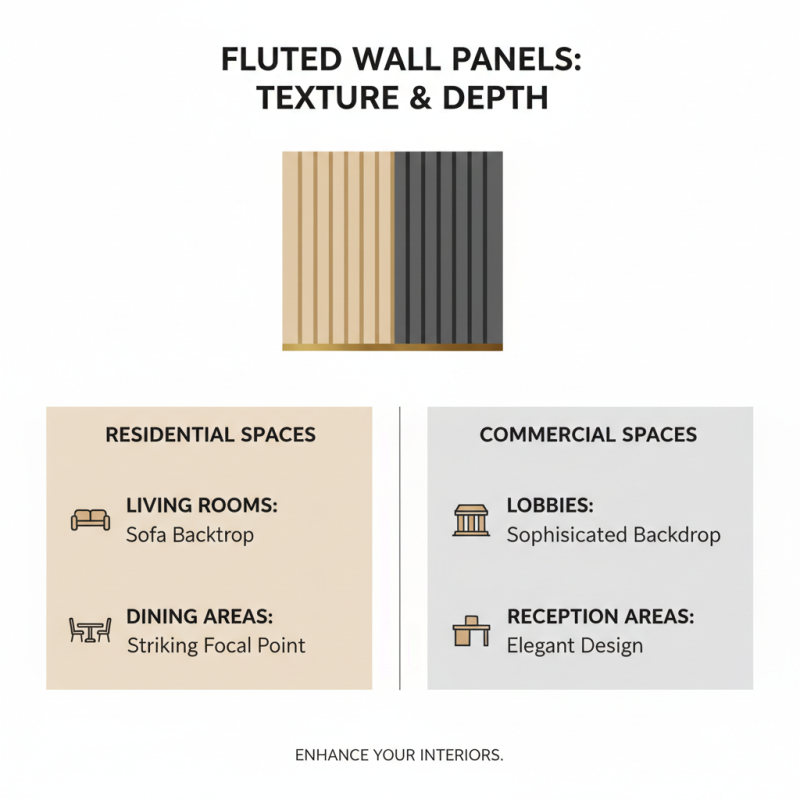
Fluted wall panels offer a unique way to enhance various interior spaces. They add texture and depth, creating visual interest. These panels are perfect for living rooms and dining areas. Install them behind a sofa or a dining table for a striking focal point. In commercial spaces, they work well in lobbies or reception areas, providing a sophisticated backdrop.
When using fluted wall panels, consider color and material. Light colors can brighten a small room. Darker tones may create a cozy atmosphere. Mix materials for added flair. Wood panels can pair well with metal accents for contrast. A careful balance is key to achieving a refined look.
Tips: Avoid overwhelming the space. Sometimes, less is more. Use fluted panels sparingly in smaller areas to prevent cramping. Lighting also plays a crucial role—soft, warm light can accentuate the fluted texture beautifully. Regular maintenance is necessary. Dust often collects in the grooves, potentially dulling their appeal, so keep them clean for a polished finish.
Installation Techniques and Considerations for Fluted Wall Panels
Fluted wall panels are gaining popularity in modern interior design. They can add depth and texture to any space. When installing these panels, it’s essential to consider the right techniques to ensure a flawless finish. A report by the Building Industry Association found that improper installation can lead to material waste and increased costs. Thus, prior planning is vital.
One key tip is to carefully measure the wall space. Accurate measurements can prevent costly errors. Ensure that all panels fit perfectly before installation. You might want to use a level to align them correctly. Additionally, consider the adhesive type for your panels. Some adhesives work better with certain materials. Not every product will suit your specific needs.
While fluted wall panels offer aesthetic value, they can be challenging to install. Beginners may find it tough to cut the panels accurately. It’s crucial to practice on scrap material first. This way, you gain confidence in your cutting skills. Remember to account for any imperfections during installation. These small issues can often be corrected easily with the right tools.
What Are Fluted Wall Panels and How to Use Them? - Installation Techniques and Considerations for Fluted Wall Panels
| Dimension |
Material |
Thickness |
Installation Method |
Finish Options |
| 48" x 96" |
MDF |
0.75" |
Glue & Nail |
Painted, Veneer |
| 36" x 96" |
Plywood |
0.5" |
Screws |
Stained, Clear Coat |
| 24" x 48" |
PVC |
0.25" |
Clip System |
Gloss, Matte |
| 48" x 48" |
Fiberboard |
0.5" |
Adhesive |
Textured, Laminated |
| 60" x 120" |
Gypsum |
0.5" |
Suspended System |
Primed, Colored |

 Hot Selling