Ultimate Tips for Choosing Uv Marble Sheet for Your Project?
When embarking on a renovation or construction project, choosing the right materials is crucial. One material that has gained popularity is the UV marble sheet. According to industry studies, the global market for marble sheets is projected to reach USD 52 billion by 2025, driven by their aesthetic appeal and durability. The UV marble sheet, in particular, is favored for its resistance to discoloration and ease of maintenance.
As consumers become increasingly discerning, understanding the qualities of UV marble sheet is essential. Many designers and architects recommend this material for its versatility, offering a blend of beauty and functionality. Nevertheless, not all UV marble sheets are created equal. Potential buyers should consider factors such as thickness, finish, and manufacturing sources to make informed decisions.
Choosing the right UV marble sheet can be daunting. Some may overlook specific details that differentiate high-quality products from lower-grade options. It’s important to weigh each aspect thoroughly. A poor choice could lead to future regrets, undermining the project's overall success. By tapping into industry insights and expert opinions, you can navigate this complex landscape with greater confidence.
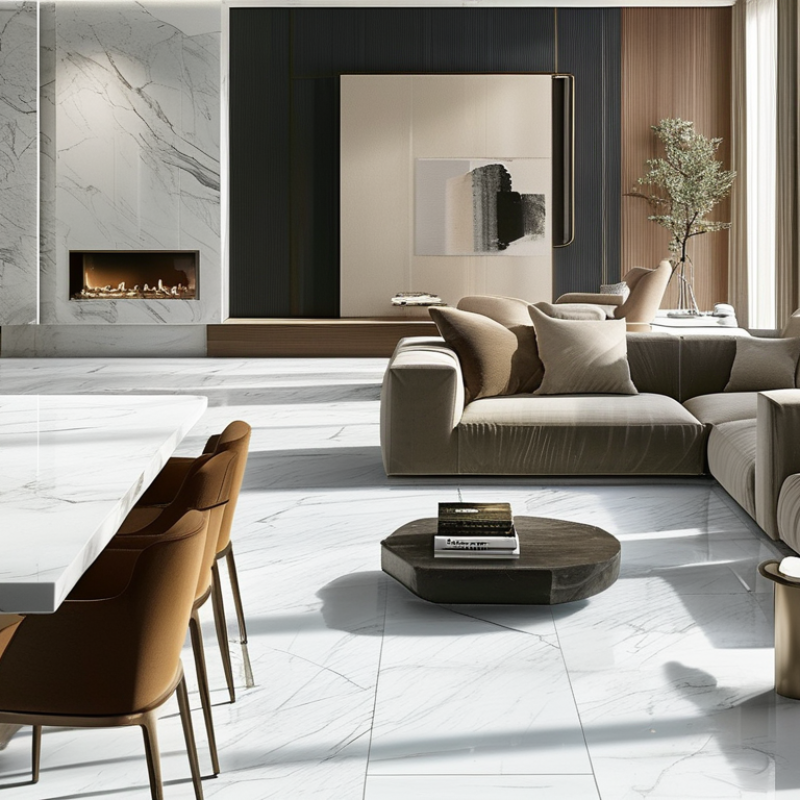
Understanding UV Marble Sheets: Composition and Benefits
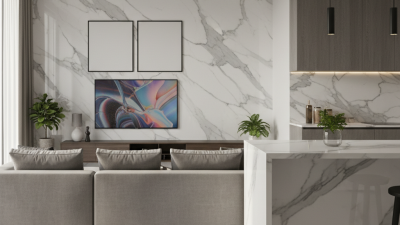
UV marble sheets are a popular choice in modern design. They offer both aesthetic appeal and functional benefits. Understanding their composition is key. These sheets are made from high-quality PVC materials combined with UV coating. This coating not only enhances the look but also protects the surface from scratches and fading. As a result, they remain vibrant and visually striking for years.
One must consider the advantages they bring to a project. UV marble sheets are lightweight and easy to install. They can mimic the look of natural marble without the hefty price tag. However, they may not provide the same level of durability as genuine stone. In some cases, the finish can be prone to minor scratches. Maintenance is simple; a soft cloth is often enough to keep them clean. Yet, frequent exposure to harsh chemicals may lead to discoloration.
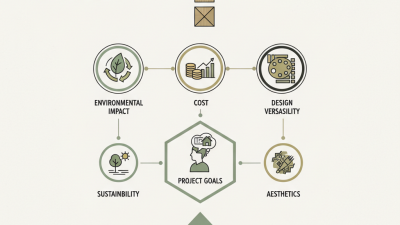
The choice between UV marble sheets and traditional materials should be made thoughtfully. Each option has its pros and cons. Assessing the specific needs of your project is essential. Think about the longevity, maintenance, and aesthetic values. Prioritize these aspects to make an informed decision.
Ultimate Tips for Choosing UV Marble Sheets for Your Project
Key Factors to Consider When Selecting UV Marble Sheets
Choosing the right UV marble sheet can be a daunting task. It's essential to consider various factors to ensure your project’s success. One key element is the thickness of the sheet. Thicker sheets tend to be more durable and resistant to wear. However, they can also be heavier and more challenging to install. Think about the balance between durability and ease of handling when making your choice.
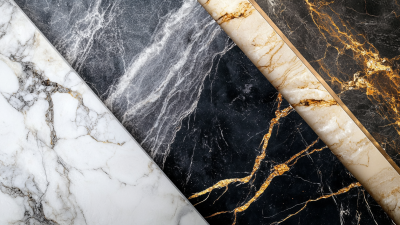
Color and pattern variation is another vital factor. UV marble sheets come in a range of colors and designs. Selecting a color that complements the overall aesthetic of your project is crucial. Pay attention to how the patterns will look under different lighting conditions. For example, a bold pattern might look great in daylight, but could overwhelm a dimly lit space.
Finally, always consider the sheet's finish. Glossy finishes can enhance depth and vibrancy but may show fingerprints and scratches easily. Matte finishes, on the other hand, can be easier to maintain but may lack the striking appeal of a glossy surface. Take your time to evaluate what works best for your environment and usage needs. Each choice will affect the final outcome of your project, so reflect on your needs carefully.
Comparing Cost and Quality: Insight from Industry Standards
When considering UV marble sheets for your project, cost and quality are pivotal elements. According to recent industry standards, the average cost for high-quality UV marble sheets varies between $20 to $35 per square foot. This data underscores the importance of understanding price versus quality. Cheaper options might save money initially but could lead to greater expenses in the long run due to durability issues.
A crucial tip is to evaluate the thickness of the marble sheet. Sheets that are at least 4mm thick typically offer better quality and longevity. However, thinner sheets may be more cost-effective upfront. Balancing these factors helps in making informed decisions. Understand the warranty terms as well; reputable manufacturers often provide solid guarantees on their products.
Quality inspection is vital. Not all finishes are equal. Some may show scratches or dullness quickly. It's important to verify certifications and third-party lab tests. Reliable certification indicates adherence to safety and quality standards. This ensures that your investment in UV marble sheets pays off well in aesthetic appeal and durability. Always remember, selecting the right material can transform your project significantly, both visually and functionally.
Installation Techniques and Best Practices for UV Marble Sheets
When installing UV marble sheets, proper techniques play a crucial role in achieving an effective finish. Begin by ensuring your work surface is clean and dry. This simple step is often overlooked but is essential for proper adhesion. According to the National Association of Home Builders, improper surface preparation contributes to 30% of all installation failures in the industry.
Use a high-quality adhesive designed for UV marble. Experts recommend a solvent-free adhesive type to enhance safety and performance. When applying the adhesive, use a notched trowel to ensure even coverage. This technique helps avoid excess buildup, which can affect how the sheets lay down. Industry studies indicate that properly applied adhesive can reduce the risk of sheet warping by up to 40%.
While installing, avoid rushing the process. Overlapping seams can lead to unsightly edges. Instead, aim for tight, flush seams for a seamless look. Monitor the ambient temperature, as extreme conditions can lead to challenges in the installation. Many professionals observe that installation where humidity levels exceed 60% tends to result in poor bonding. It’s important to reflect on these elements for a successful UV marble sheet project.
Maintenance Tips for Longevity of UV Marble Sheet Installations
UV marble sheets are a popular choice for various projects due to their aesthetic appeal and durability. However, proper maintenance is crucial for ensuring their longevity. Regular cleaning is essential. Use a soft cloth and mild detergent. Avoid abrasive cleaners. They can scratch the surface.
Humidity and temperature fluctuations can affect the material. Ensure proper ventilation in areas where the sheets are installed. This helps in reducing moisture buildup, which can lead to warping. Inspect your installations occasionally. Look for signs of wear or damage. Early detection can prevent larger issues down the road.
In some cases, you may notice discoloration over time. This can happen due to exposure to sunlight or harsh chemicals. To prevent this, use protective coatings suitable for UV marble. Regular resealing may also be necessary. Following these tips can significantly extend the life of your UV marble installations.
Ultimate Tips for Choosing UV Marble Sheet for Your Project - Maintenance Tips for Longevity of UV Marble Sheet Installations
| Criteria |
Tips |
Maintenance Practices |
Longevity Expectation |
| UV Resistance |
Choose sheets with high UV resistance ratings. |
Regularly clean to remove dirt and pollutants. |
5-10 years with proper care. |
| Thickness |
Opt for thicker sheets for better durability. |
Avoid heavy impacts to prevent chipping. |
Up to 15 years depending on usage. |
| Surface Finish |
Select a finish that resists scratches and stains. |
Use pH-neutral cleaners for maintenance. |
10-20 years with proper maintenance. |
| Color and Pattern |
Choose colors that suit your aesthetics but are also practical. |
Periodically re-evaluate for fading. |
Variable; often 5-10 years with sunlight exposure. |

 Hot Selling