Top 10 Benefits of Using Wpc Wall Panel for Your Projects?
In today's construction and design landscape, the use of Wpc Wall Panel has gained significant momentum. These panels are not just a trend; they introduce a blend of aesthetics and functionality. The material, made from wood-plastic composite, offers remarkable durability and versatility for various projects.
Wpc Wall Panels provide a practical solution for architects and builders. They are lightweight, making installation easier than heavier alternatives. Furthermore, they resist moisture and pests, reducing maintenance over time. This durability translates into cost savings, allowing for a more efficient allocation of resources.
However, it's essential to acknowledge that not every project may benefit from Wpc Wall Panels. Their appearance can vary, depending on the manufacturer. The cost may also raise questions if budgets are tight. Therefore, evaluating specific project needs before making a decision is crucial. By considering these factors, you can make a more informed choice about using Wpc Wall Panels.
Advantages of WPC Wall Panels in Modern Construction Projects
WPC wall panels are becoming increasingly popular in modern construction projects. Made from wood plastic composite, they offer a unique blend of aesthetics and functionality. These panels are lightweight yet durable, making them easy to install. Their resistance to moisture and pests makes them ideal for both interior and exterior use. For designers, WPC panels can be customized in various colors and textures. This flexibility opens up a world of creative possibilities.
Using WPC wall panels can lead to a significant reduction in maintenance costs. Unlike traditional wood, these panels do not require regular varnishing or painting. They are easy to clean and maintain their appearance over time. However, some users may find that not all low-quality options perform well, requiring careful selection. Understanding the material properties is crucial for ensuring longevity. Despite some limitations, they provide an eco-friendly alternative to conventional building materials. This is particularly appealing in a world increasingly focused on sustainability.
Enhanced Durability and Weather Resistance of WPC Wall Panels
WPC (Wood Plastic Composite) wall panels are gaining popularity for their remarkable durability and weather resistance. Data from recent industry reports indicate that WPC materials can withstand harsh weather conditions, outperforming traditional wood by up to 50% in longevity. This resistance to moisture, UV rays, and temperature fluctuations makes WPC panels an excellent choice for outdoor applications. Unlike conventional wood, which can warp or rot over time, WPC maintains its structural integrity, reducing the need for frequent replacements.
When selecting materials for a project, consider how WPC panels can save time and resources. As you plan, remember to check certifications. Look for products that adhere to industry standards, ensuring quality and safety. This attention to detail can prevent potential setbacks early in the project.
For installation, proper sealing and maintenance tips can extend the lifespan of WPC panels even further. Regular cleaning will help remove dirt and debris that can cause wear. Yet, avoid using harsh chemicals that may compromise the material. A gentle wash with soapy water is often sufficient. This mindful approach allows you to enjoy the beauty and functionality of WPC wall panels while minimizing future costs.
Eco-Friendly Aspects of WPC Wall Panels for Sustainable Building
WPC wall panels are becoming increasingly popular in sustainable building projects. These panels consist of wood fiber and plastic composites, making them an eco-friendly choice. They are recyclable, reducing waste in landfills. This aligns with global efforts to promote sustainability in construction.
Using WPC panels helps lower carbon footprints. They require less energy to produce than traditional materials. Additionally, the panels resist moisture, reducing the need for chemical treatments. This aspect enhances indoor air quality. However, it's essential to ensure the sourcing of materials is sustainable. Not all WPC products are created equal, and some may not meet eco-friendly standards.
The durability of WPC wall panels is significant. They can withstand weather extremes, reducing the need for frequent replacements. Some might argue that initial costs are high. However, the long-term savings on maintenance and energy usage make it worthwhile. Understanding these benefits can improve project decisions for a greener future.
Top 10 Benefits of Using WPC Wall Panel for Your Projects
| Benefit |
Description |
Eco-Friendly Aspect |
| Durability |
WPC wall panels are resistant to rot, decay, and insects. |
Longer lifespan reduces the need for replacements. |
| Low Maintenance |
Require minimal upkeep compared to traditional materials. |
Reduces waste in the long run. |
| Energy Efficiency |
Good insulation properties help maintain temperature. |
Contributes to lower energy consumption. |
| Easy Installation |
Lightweight materials facilitate quicker setup. |
Less labor time means reduced emissions. |
| Aesthetic Appeal |
Available in various styles and finishes. |
Sustainable sourcing of materials enhances appeal. |
| Water Resistance |
Does not absorb moisture, preventing mold. |
Reduces health hazards associated with mold. |
| Recyclability |
Can be recycled at the end of its life cycle. |
Supports circular economy principles. |
| Cost-Effectiveness |
Cost savings on materials and labor. |
Economical solutions promote sustainable building. |
| Variety of Applications |
Suitable for indoor and outdoor use. |
Encourages versatile sustainable designs. |
| Safer Alternative |
Non-toxic and safe for residential applications. |
Promotes health and well-being. |
Aesthetic Versatility: Design Options with WPC Wall Panels
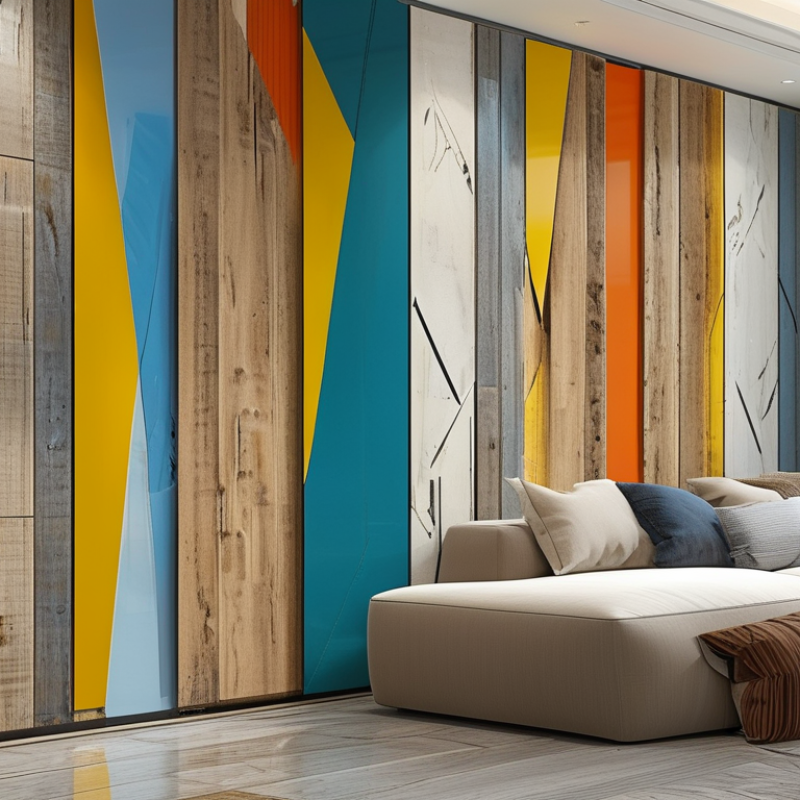
WPC wall panels offer a unique blend of aesthetic versatility. Their design options are vast, catering to various tastes and styles. Whether your project aims for a modern, rustic, or minimalist look, there's a WPC panel that fits perfectly. Colors range from vibrant shades to neutral tones, allowing for endless creativity in your designs.
Moreover, the texture of WPC panels adds depth to any interior space. Some panels mimic the natural grains of wood, while others provide a sleek, contemporary finish. The ability to mix and match different textures and colors can create a stunning visual effect. However, it's important to note that choosing the right combination requires careful consideration and planning.
Additionally, while WPC panels are durable, they can still have limitations. Environmental conditions may affect their appearance over time. For instance, panels exposed to excessive sunlight might fade. This factor makes it essential to weigh the practical aspects against aesthetic preferences. Reflecting on these points can help ensure a well-rounded design approach that doesn't compromise on beauty or functionality.
Cost-Effectiveness and Long-Term Savings with WPC Wall Panels
When considering materials for construction or renovation, WPC (Wood-Plastic Composite) wall panels emerge as a cost-effective solution. According to recent industry reports, WPC panels can save up to 30% on maintenance costs compared to traditional wood. They resist moisture and pests, reducing long-term repairs. This durability translates to a better return on investment for property owners.
WPC panels also exhibit energy efficiency. They can enhance insulation in buildings, leading to lower heating and cooling expenses. In fact, homes using WPC materials have been shown to reduce energy costs by up to 20%. As energy prices continue to rise, this aspect becomes more significant for homeowners and builders alike.
**Tip:** Consider the long-term benefits of WPC wall panels. While initial costs may be similar to other materials, the lifetime savings can be substantial.
Another consideration is the environmental impact. WPC products utilize recycled materials, contributing to sustainability. However, it's crucial to source from reputable suppliers to ensure quality and ecological responsibility.
**Tip:** Research and compare the environmental certifications of different WPC manufacturers. Choosing certified products can ensure that your project meets green building standards.
Top 10 Benefits of Using WPC Wall Panels

 Hot Selling