Top 10 Benefits of Wpc Decking Outdoor for Your Garden?
Wpc Decking Outdoor has gained popularity in landscaping. This alternative material offers durability and aesthetics. According to a recent report by the Decking Institute, Wpc Decking Outdoor can last over 25 years with minimal maintenance. This is a significant benefit for any homeowner.
Expert Tom Anderson notes, "Wpc Decking Outdoor brings both beauty and sustainability to outdoor spaces." This combination is crucial today, as more homeowners focus on eco-friendly solutions. The material is made from recycled wood fibers and plastic, making it a responsible choice.
However, the transition to Wpc Decking Outdoor is not always seamless. Some users report challenges with installation and initial costs. Reflecting on these aspects can help potential buyers make informed decisions. Overall, Wpc Decking Outdoor represents a blend of style and functionality for gardens.
Benefits of WPC Decking for Garden Spaces: An Overview
WPC decking is an excellent choice for garden spaces. It combines wood and plastic to create a durable surface. This makes it resistant to moisture, insects, and decay. Gardens often face challenges like heavy rain and extreme weather. WPC decking holds up well in these conditions.
One of the key benefits is low maintenance. Unlike traditional wood, it doesn’t require frequent staining or sealing. Just a simple wash with soap and water keeps it looking fresh. This means more time enjoying your garden and less time working on it.
Consider the aesthetic appeal WPC decking adds. It comes in various colors and textures. This versatility allows for creative designs. However, not all WPC materials are the same. Some may fade more quickly than others. Do your research and choose wisely.
When installing WPC decking, think about drainage. Proper water flow prevents pooling and extends its life. Be mindful of the surface you work on. Irregularities can affect the final look. Remember, even a small mistake can stand out in an otherwise beautiful garden.
Top 10 Benefits of WPC Decking Outdoor for Your Garden
| Benefit |
Description |
| Durability |
WPC decking is resistant to rot, moisture, and insects, making it last longer than traditional wood. |
| Low Maintenance |
Requires minimal upkeep compared to wood; no sanding, staining, or sealing is needed. |
| Eco-Friendly |
Made from recycled materials, it helps reduce environmental impact. |
| Aesthetic Variety |
Available in various colors and textures to fit different design styles. |
| Slip Resistance |
Many WPC decks provide a slip-resistant surface, enhancing safety. |
| UV Resistance |
Designed to withstand sunlight, preventing fading and degradation over time. |
| Cost-Effectiveness |
Although the initial investment may be higher, long-term savings from reduced maintenance and replacement costs make it economical. |
| Easy Installation |
Typically lighter than wood and designed for straightforward installation, providing savings on labor costs. |
| Versatility |
Ideal for a variety of outdoor spaces, including patios, walkways, and pool decks. |
Durability of WPC Decking Compared to Traditional Wood Solutions
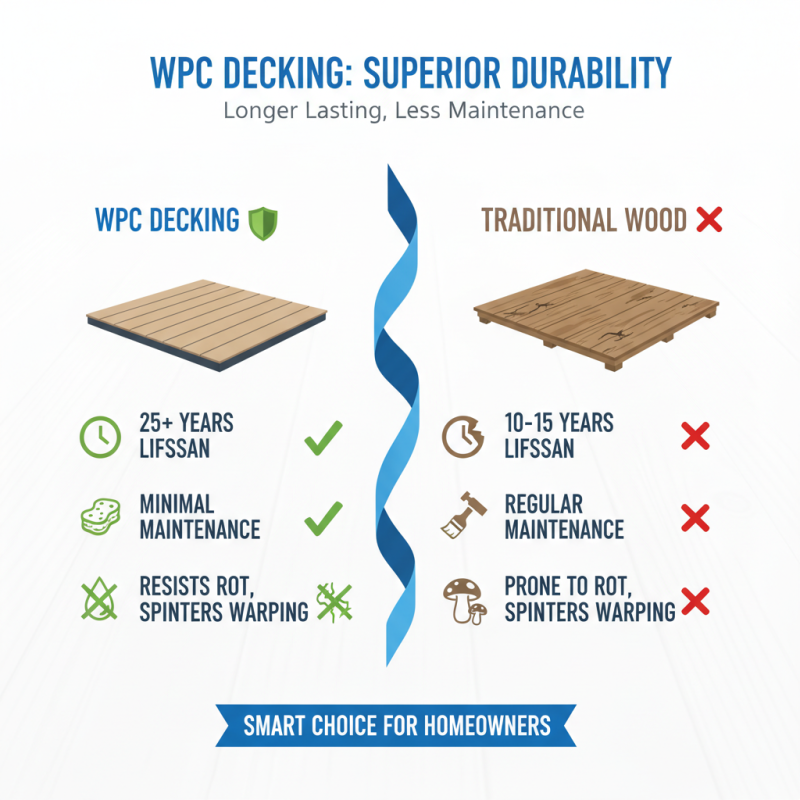
WPC decking offers remarkable durability compared to traditional wood. Studies show that WPC can last up to 25 years with minimal maintenance. This longevity is a significant advantage for homeowners looking to reduce replacement costs. Unlike wood, WPC resists rot, splintering, and warping caused by moisture. It stands up well against conditions that typically weaken natural wood.
Traditional wood decks require regular staining and sealing. This adds time and money to upkeep. In contrast, WPC decking only needs occasional cleaning. Reports indicate that WPC's surface is highly resistant to fading and staining. This means it maintains a fresh look without extensive effort. However, some users report that WPC can get slippery when wet, which is something to consider, especially in rainy climates.
While WPC is highly durable, it can sometimes have a more plastic appearance. This may not appeal to everyone. It's essential to weigh these aesthetic factors against its long-lasting benefits. On the durability spectrum, WPC clearly outperforms traditional wood. But potential buyers should also contemplate their personal preferences and regional climate.
Environmental Impact of WPC Decking: Sustainable Materials Explained
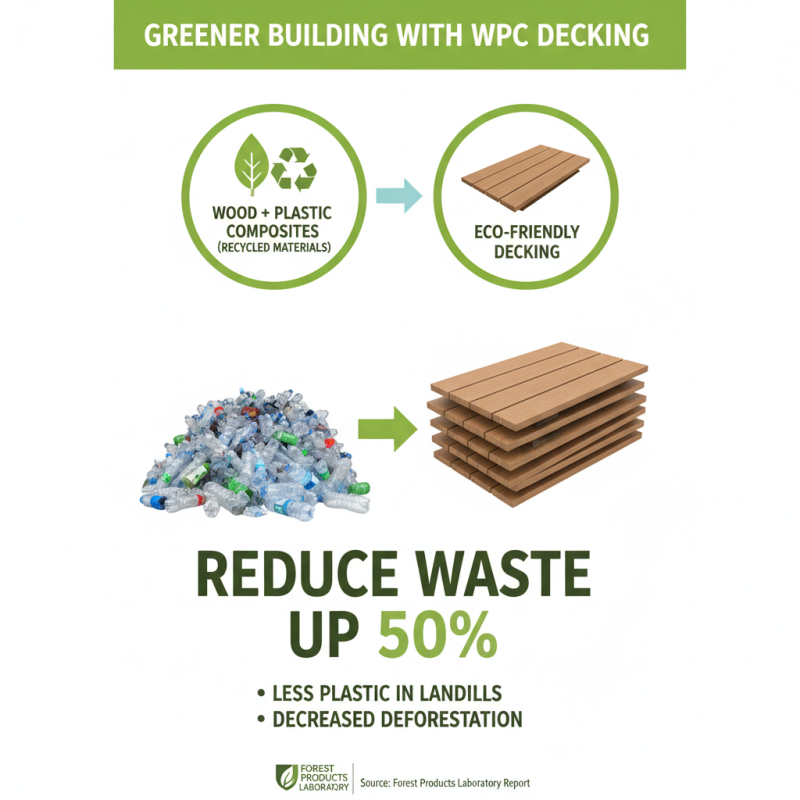
WPC decking, made from wood and plastic composites, is gaining attention for its environmental benefits. Utilizing recycled materials plays a key role in eco-friendly building. According to a report by the Forest Products Laboratory, WPC products can reduce waste by up to 50%. This means less plastic in landfills and a decrease in deforestation.
WPC decking requires less maintenance than traditional wood, saving resources over time. Regular wood needs treatments and chemicals that can be harmful. Studies show that WPC has a lifespan of about 25 years, which is significantly longer than regular wood. This durability helps minimize resource consumption in replacement projects.
Critics argue that WPC can come from unsustainable sources. Not all products adhere to strict environmental guidelines. It’s crucial to research suppliers. Aim for WPC made from responsibly sourced wood. A more sustainable solution is possible, but vigilance is necessary. Understanding the provenance of these materials is essential for true sustainability in outdoor decking choices.
Cost-Effectiveness of WPC Decking: Long-Term Savings Analysis
WPC decking is becoming a popular choice for outdoor spaces, especially gardens. One significant benefit is its cost-effectiveness. Initially, WPC decking may seem more expensive than traditional wood. However, its long-term savings potential is noteworthy. Wood typically requires regular maintenance, which can add up over time. WPC, on the other hand, is resistant to rot and insect damage, reducing these costs significantly.
Maintenance tasks with WPC are simpler and less frequent. A simple wash with soap and water is often sufficient. This ease saves both time and money in the long run. Some may wonder about the initial investment. It might feel heavy on the wallet at first, but it's a smart way to invest in your garden.
It’s essential to consider the lifespan of the materials used. WPC has a durable nature that often outlasts traditional decking. This durability translates into fewer replacements, further enhancing cost savings. Yet, some people may hesitate to choose WPC due to its synthetic nature. They fear it won't have the same appeal as natural wood. This perspective can limit their choices. Balancing aesthetics with practicality is key in gardening decisions.
Maintenance Advantages of WPC Decking Over Conventional Decking Options
WPC decking introduces a new level of ease for outdoor spaces. Unlike traditional wood, WPC is resistant to rot and insects. This characteristic significantly reduces maintenance time and costs. You won’t need to spend weekends sanding or staining. Just a simple wash with soap and water can keep it looking new.
Another advantage stems from its durability. With WPC, the material withstands harsh weather conditions. It doesn't warp or crack as natural wood might. However, some users find it can be prone to fading over time. This may require occasional re-surfacing to maintain its aesthetic appeal.
Mold and mildew are common issues in humid climates. WPC decking resists these problems better than conventional options. Yet, a little maintenance is needed. Regular cleaning helps avoid buildup. Some may overlook this, leading to unwanted stains. Even though WPC has its challenges, the overall maintenance advantages are clear.
Top 10 Benefits of WPC Decking Outdoor for Your Garden

 Hot Selling