Top 10 Veneer Wall Panels for Stylish Interiors in 2026?
As we approach 2026, the allure of Veneer Wall Panels remains strong in the interior design industry. Renowned expert Julia Markham states, "Veneer Wall Panels bring warmth and sophistication to any space." This trend in wall design emphasizes both aesthetic appeal and functionality. Designers and homeowners alike are drawn to their versatility.
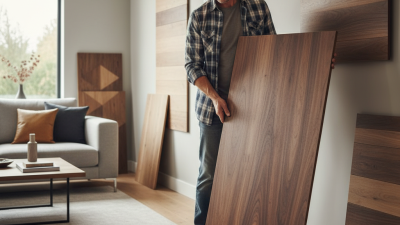
Veneer Wall Panels offer an eco-friendly alternative to solid wood. They can mimic the appearance of natural materials while being lightweight and durable. This is essential in creating stylish interiors that resonate with modern tastes. However, achieving a perfect installation requires attention to detail. Misalignment or poor adhesive choices can lead to visible flaws, detracting from the overall effect.
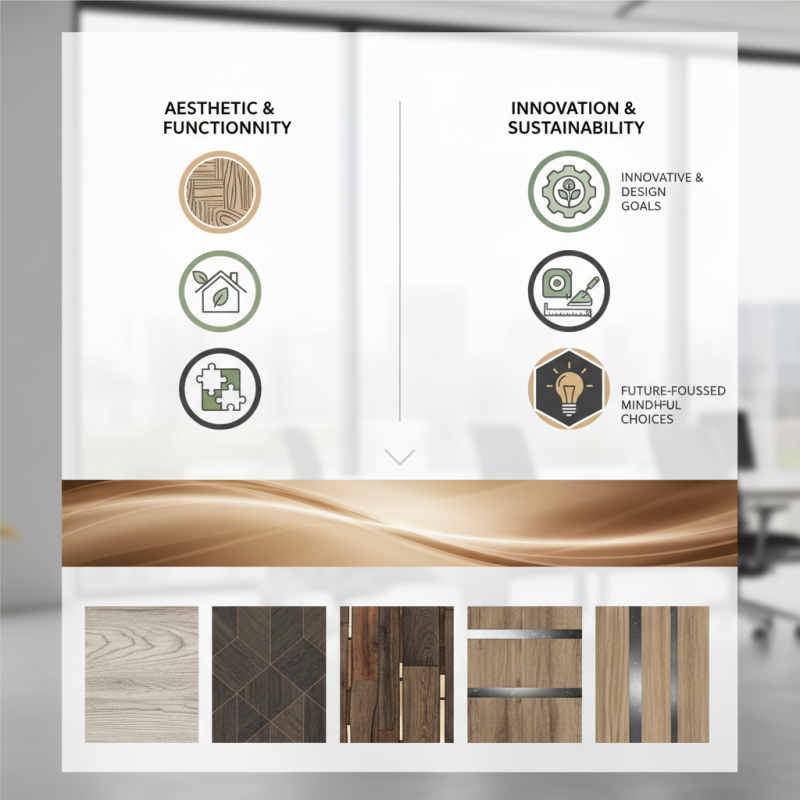
In 2026, it is expected that innovative designs will emerge. The challenge will be to balance style and sustainability. Correctly chosen Veneer Wall Panels can transform a mundane area into a vibrant focal point. Yet, it’s essential to reflect on how these choices align with broader environmental goals. This mindful approach will define the future of interior aesthetics.
Overview of Veneer Wall Panels and Their Benefits
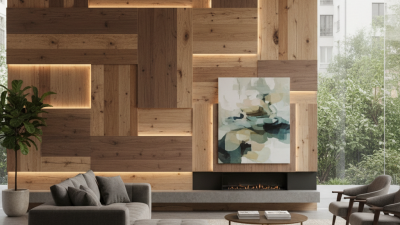
Veneer wall panels have gained popularity for their aesthetic appeal and practical benefits. These panels offer a natural look, lending warmth and character to any space. They consist of a thin slice of wood, preserving the beauty of the grain while minimizing the cost of solid wood. The lightweight nature of veneer makes it easy to install, transforming interiors quickly and efficiently.
When choosing veneer panels, consider the room's purpose and lighting. A darker veneer can warm a large space, while lighter shades can enlarge and brighten smaller rooms. Experiment with different grain patterns to create a unique atmosphere. Keep in mind that not all veneers are created equal; quality matters. Look for panels with a smooth finish that complement your design.
Tips: Ensure proper maintenance to preserve the beauty of veneer panels. Regularly dust and clean them with a soft cloth. Avoid excessive moisture, as it can warp the veneer. When it comes to renovations, evaluate if veneer is suitable for your specific environment. While they offer an elegant touch, using veneer in high-humidity areas may lead to challenges. Having these insights can help in making informed design choices.
Key Trends in Veneer Wall Panel Designs for 2026
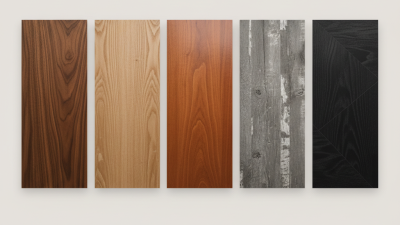
Veneer wall panels are set to redefine interior design in 2026. This year, expect to see a shift towards sustainable materials. Eco-friendly options have gained popularity. Designers emphasize natural finishes and textures. Rich wood grains bring warmth to spaces. From oak to walnut, variety is key. The challenge lies in sourcing responsibly.
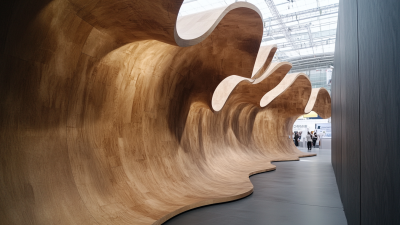
Bold patterns are also trending. Geometric designs and waves add dynamic flair. These patterns can transform a simple room into a statement. However, balancing boldness with elegance can be difficult. Mixing textures with colors creates depth. Yet, overloading a space might overwhelm the eye.
Innovative installation techniques are emerging. Vertical and horizontal orientations can change perceptions of space. But, the skill required for perfect installation is essential. Small mistakes can lead to noticeable flaws. Embracing imperfection is part of the design journey. As trends evolve, finding the right mix of style and function remains paramount.
Top Materials Used in Veneer Wall Panels: A Comprehensive Guide
When it comes to veneer wall panels, wood is often the material of choice. It provides warmth and a natural feel to interiors. Popular options include oak, walnut, and cherry. These woods are known for their distinct grains and colors, enhancing the aesthetic appeal of any room.
Another emerging material is bamboo. It is sustainable and adds an exotic touch to spaces. Bamboo veneer is lightweight, yet durable. It can be an excellent option for modern homes seeking eco-friendly solutions. Some professionals caution that not all bamboo veneers are created equal, so choosing reputable suppliers is essential.
Lastly, consider high-pressure laminate (HPL) as a veneer option. It offers various designs, mimicking the look of real wood. It’s resistant to scratches and moisture. However, its artificial nature may not appeal to everyone. The choice of material impacts not just appearance but also longevity. Each option has its pros and cons, making thoughtful selection crucial for stylish interiors.
Top 10 Veneer Wall Panels for Stylish Interiors in 2026
| Veneer Type |
Material Source |
Finish Type |
Thickness (mm) |
Application Areas |
Sustainability Rating |
| Oak Veneer |
Sustainable Forestry |
Matte |
2.5 |
Living Rooms, Offices |
A+ |
| Walnut Veneer |
Reclaimed Wood |
Satin |
3.0 |
Commercial Spaces |
A |
| Birch Veneer |
FSC Certified |
Natural |
1.5 |
Kitchens, Retail |
B+ |
| Maple Veneer |
Sustainable Harvesting |
Glossy |
2.0 |
Bedrooms, Offices |
A+ |
| Cherry Veneer |
Cultivated Cherry |
Semi-Matte |
2.5 |
Living Rooms, Furniture |
B |
Style Inspirations: How to Incorporate Veneer Panels into Interiors
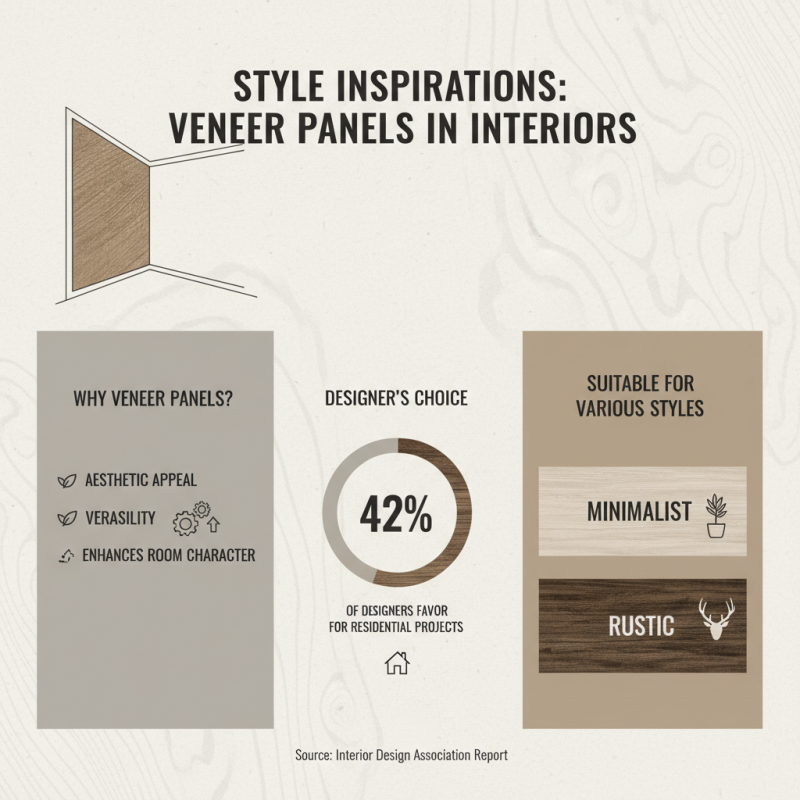
Veneer wall panels are trending for their aesthetic appeal and versatility. As interior spaces evolve, incorporating these panels can significantly enhance a room's character. A recent report by the Interior Design Association highlights that 42% of designers favor veneer panels for residential projects. The natural textures and finishes can create a warm, inviting atmosphere, making them suitable for various styles—from minimalist to rustic.
When integrating veneer panels, consider the balance between different materials. Pair them with metal or glass elements to achieve a contemporary look. For instance, a wood veneer accent wall can contrast beautifully with sleek furniture. According to industry experts, incorporating varied textures can add depth to a design, capturing attention effectively.
In a world focused on sustainability, veneer panels made from responsibly sourced wood can echo an eco-friendly ethos. However, it’s crucial to acknowledge that affordable options may compromise quality. Many DIY enthusiasts face challenges with installation, which may lead to uneven finishes. Ensuring professional help can often rectify these pitfalls.
Sustainability and Eco-Friendly Options in Veneer Wall Panels
As we move towards 2026, sustainability is becoming a key focus in interior design.
Veneer wall panels present an eco-friendly option for stylish interiors, integrating beauty with environmental consciousness.
These panels are crafted from natural wood, providing warmth and texture while minimizing waste.
The process of creating veneer helps use resources more efficiently, preserving valuable timber.
Many manufacturers are now prioritizing sustainable sourcing.
They use wood from responsibly managed forests, ensuring that their products do not contribute to deforestation.
This practice offers a chance to enjoy natural aesthetics without harming the planet.
Moreover, recycled materials are often employed in the production of these panels, adding another layer of eco-friendliness.
However, it's important to acknowledge that not all veneer panels are created equal.
Some products may still rely on harmful adhesives or finishes.
Researching certifications like FSC (Forest Stewardship Council) can guide consumers towards better choices.
Engaging with companies that prioritize transparency in their sourcing can lead to more sustainable options.
It's essential to reflect on the impact of our choices in design, striving for a balance between style and eco-responsibility.

 Hot Selling