Top 10 Wpc Outdoor Products for Global Buyers 2026?
In recent years, Wpc Outdoor products have gained significant attention. These items offer durability and aesthetic appeal for outdoor spaces. As global buyers seek reliable options for their needs in 2026, understanding the top choices becomes crucial.
Wpc Outdoor materials blend wood and plastic, delivering longevity. Homeowners appreciate their weather resistance and low maintenance. However, it is essential to select products that meet high-quality standards. Not all offerings in the market provide the same level of performance.
Assessing personal preferences and local climate is vital when choosing Wpc Outdoor items. Some may find enhanced features necessary, while others prioritize cost efficiency. Engaging with customer reviews can provide insight. Consideration of these points can lead to more informed decisions for your outdoor projects.
Overview of WPC Outdoor Products and Their Benefits
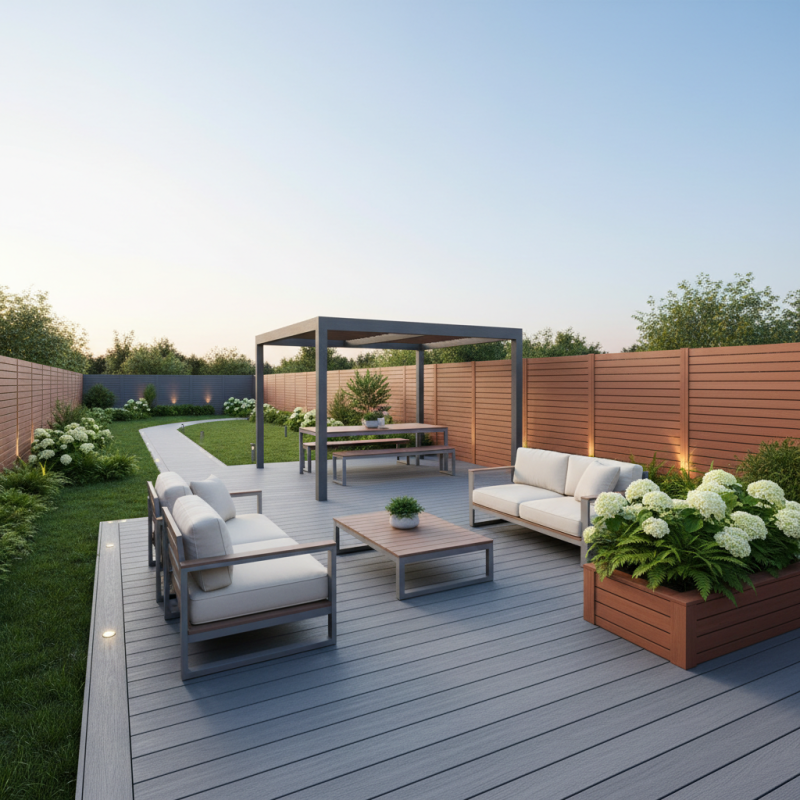
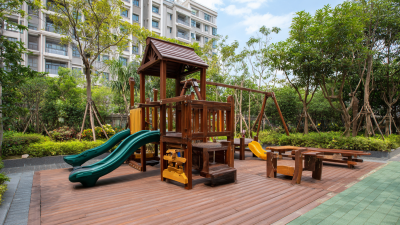
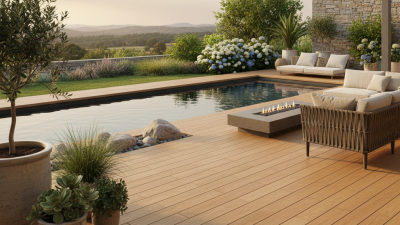
Wood Plastic Composite (WPC) products have gained popularity in outdoor spaces. They combine wood fibers and recycled plastics, creating a durable and eco-friendly material. Many global buyers are drawn to WPC for decking, fencing, and furniture. These products resist moisture, making them ideal for various climates.
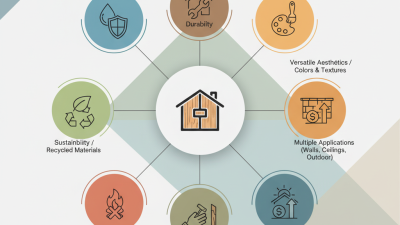
One key benefit of WPC is its low maintenance requirement. Unlike traditional wood, WPC does not warp, splinter, or require staining. This feature saves time and costs for homeowners. Additionally, WPC is available in various colors and styles. This versatility allows for customization to suit different aesthetic preferences.
Despite their many advantages, WPC products also face challenges. Some users report that WPC can heat up under direct sunlight. This may impact comfort in warm climates. Additionally, while the lifespan is longer than wood, it can still be subject to degradation over time. Understanding these limitations is important for informed purchasing decisions. Buyers should carefully evaluate their specific needs before making a choice.
Key Trends in the Global WPC Market for 2026
The global WPC market is projected to grow significantly by 2026. Recent reports indicate an increase in demand for eco-friendly products, driven by growing consumer awareness. The use of wood-plastic composites (WPC) is rising in applications like decking, fencing, and outdoor furniture. A study highlighted that the market could reach USD 10 billion by 2026, with a compound annual growth rate (CAGR) of over 10%.
Sustainability is a key trend influencing the WPC market. Consumers prefer products that reduce environmental impact. WPC is made from recycled materials, attracting eco-conscious buyers. However, challenges remain. Some manufacturers struggle with consistent quality control. This inconsistency can create distrust among consumers and hinder growth. The market also faces competition from traditional materials, which may offer lower upfront costs.
Innovation in materials and manufacturing processes is essential for market evolution. As technology advances, companies are experimenting with new formulations to enhance durability and appearance. Customization options are also becoming more popular. However, keeping pace with customer trends and expectations is vital. Companies must focus on reliability and performance to remain competitive in the evolving landscape of the WPC market.
Top 10 WPC Outdoor Products: Features and Specifications
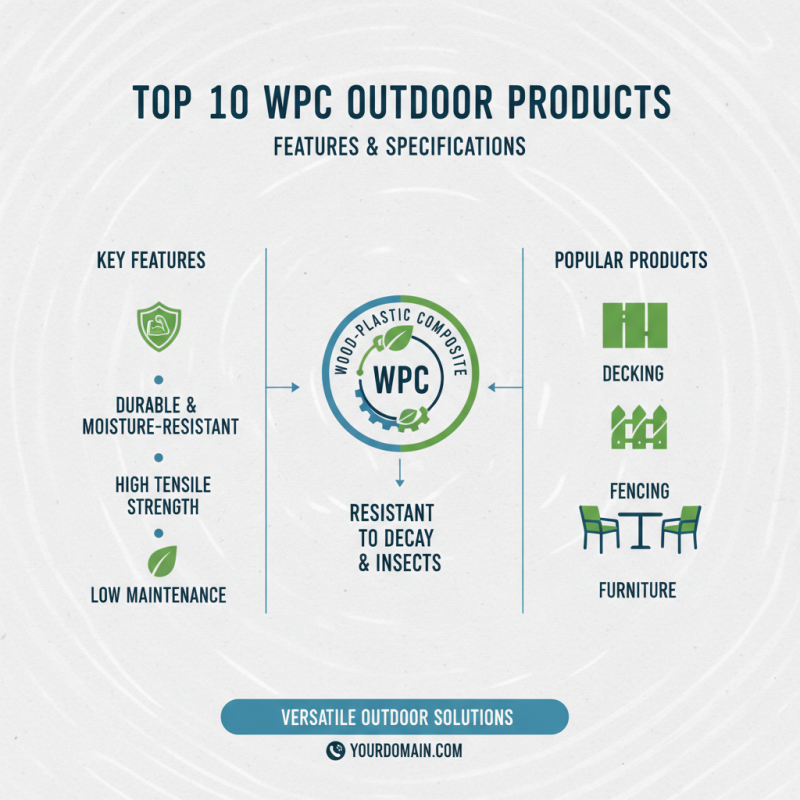
WPC outdoor products are gaining popularity due to their durability and versatility. These composite materials combine wood fibers with plastic, making them resistant to moisture and decay. Key features include high tensile strength and low maintenance requirements. Products like decking, fencing, and furniture are common choices for outdoor spaces.
Buyers should pay attention to the specific types of WPC products available. Some may have a more natural wood-like appearance, while others focus on enhanced durability. Look for UV protection, which can prevent color fading and damage from the sun. Weight matters too; heavier products often signify higher quality.
Tips: Explore samples before purchasing. This helps you visualize how the product fits in your space. Additionally, consider your climate. Some WPC mixes perform better in extreme conditions. Reflect on how your choice may impact local wildlife and environmental balance. Be mindful of sourcing and ethical practices when choosing materials.
Factors Influencing the Purchasing Decisions of Global Buyers
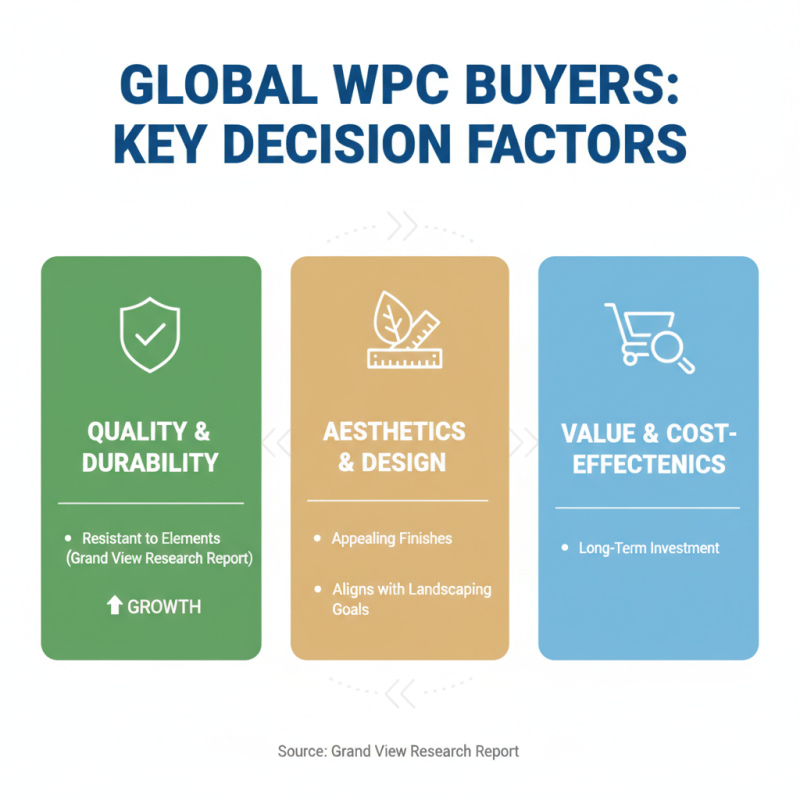
As global buyers navigate the ever-evolving market for WPC (Wood Plastic Composite) products, their purchasing decisions are shaped by several critical factors. Quality and durability stand out as top priorities. According to a report by Grand View Research, the demand for WPC is expected to grow significantly, driven by its resistance to the elements. Yet, not all buyers prioritize the same attributes. Some focus on aesthetics, seeking appealing designs and finishes that align with landscaping goals.
Cost-effectiveness also plays a crucial role. In a recent survey by MarketsandMarkets, 73% of respondents indicated that price competition influences their choices. Buyers often balance initial costs with long-term maintenance expenses. However, some may overlook the hidden costs associated with cheaper alternatives. The materials’ lifespan can lead to regret down the line. Understanding these trade-offs is essential for informed purchase decisions.
Sustainability is increasingly affecting global buyers' choices. Environmental concerns resonate strongly, with 62% of consumers preferring eco-friendly products, as highlighted in a Nielsen report. Buyers are more likely to invest in products that are recyclable or made from recycled materials. Yet, sourcing reliable information on sustainability claims can be challenging. This creates an opportunity for brands to enhance transparency in their practices to build trust with their clientele.
Sustainability and Environmental Impact of WPC Materials
WPC, or wood-plastic composites, have gained popularity due to their sustainability. The material combines recycled wood fibers and plastic, reducing environmental impact. A 2022 report from the American Composites Manufacturers Association notes that WPCs use over 20% recycled content. This not only promotes recycling but also utilizes materials that would otherwise end up in landfills.
Choosing WPC products supports a sustainable future. They require less maintenance than traditional wood, which reduces resource consumption over time. However, the carbon footprint during production is a concern. A study indicated that manufacturing WPC can produce 30% more greenhouse gases than solid wood. This highlights the need for more eco-friendly production methods.
Tips for buyers include considering the life cycle of WPC products. Check for certification or lab reports confirming sustainability claims. Additionally, be aware of regional differences in materials. Not all WPCs are created equal; some may contain harmful additives. Conduct thorough research to ensure you choose environmentally responsible options. Balancing durability and environmental impact is crucial. Explore products with lower emissions to make better choices.
Top 10 WPC Outdoor Products for Global Buyers 2026

 Hot Selling