Top WPC Outdoor Solutions for Global Buyers in 2026?
As the outdoor living market grows, WPC outdoor solutions stand out for their durability and aesthetics. According to a recent industry report by Allied Market Research, the global demand for WPC materials will reach $11 billion by 2028. This increase is driven by their water resistance and eco-friendly properties, making them ideal for outdoor applications.
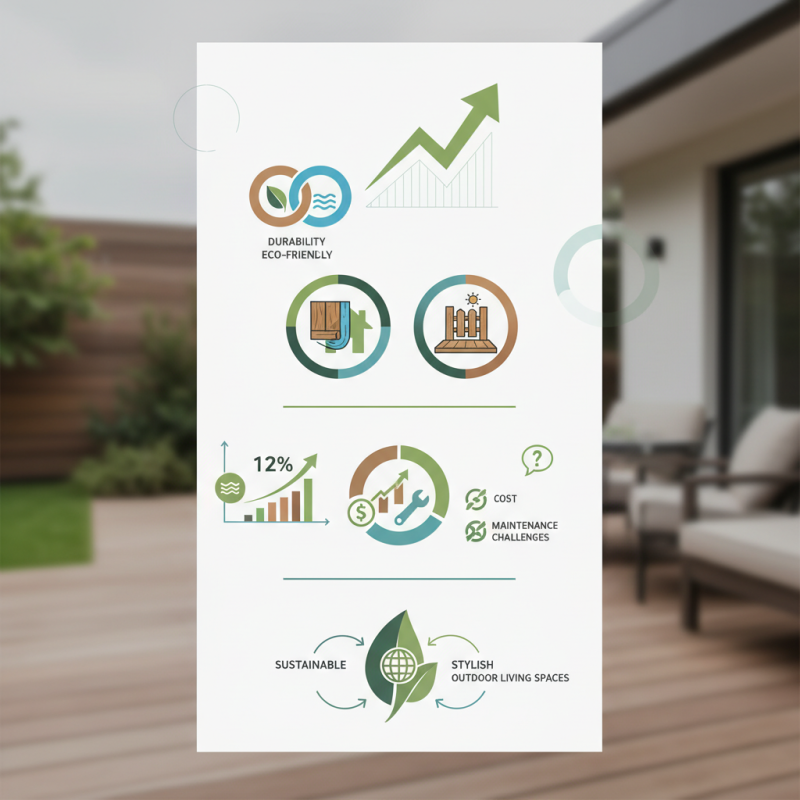
WPC outdoor products, including decking and fencing, offer a blend of wood and plastic, appealing to environmentally conscious consumers. Additionally, a study by MarketsandMarkets highlights that the WPC market is expected to register a CAGR of 12% from 2021 to 2026. However, challenges persist in market penetration and consumer awareness. While the benefits are clear, potential buyers must evaluate their needs and preferences.
The landscape of WPC outdoor solutions is evolving. However, some customers may still hesitate due to perceived cost or the need for regular maintenance. Understanding these factors is crucial for stakeholders looking to optimize their investment. A thoughtful approach ensures that WPC outdoor solutions can meet the rising demand for sustainable and stylish outdoor living spaces.
Emerging Trends in WPC Outdoor Solutions for 2026
As the demand for sustainable materials grows,
WPC (Wood-Plastic Composites) outdoor solutions are gaining traction. In 2026, buyers are looking for
innovative designs that blend aesthetics with functionality.
Enhanced wood-like textures and colors are emerging trends. These materials not only offer durability
but also maintain a natural appearance.
Furthermore, eco-friendly practices are becoming essential. Manufacturers are increasingly shifting towards
recycled materials. This reflects a growing awareness of
environmental sustainability among consumers. However, challenges remain in achieving optimal performance while
keeping production costs low.
The market is evolving, and so are consumer preferences. Buyers are seeking versatility
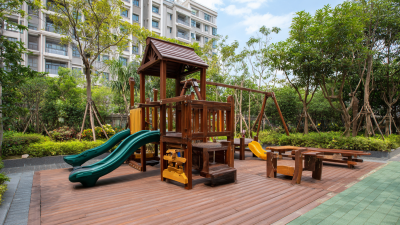
in their outdoor solutions. Options for fencing, decking, and furniture are expanding.
There is a noticeable interest in customizable solutions. This shift indicates a desire for
personalized outdoor spaces that resonate with individual styles. Brands must adapt and innovate to stay relevant
in this competitive landscape.
Key Characteristics of High-Quality WPC Products
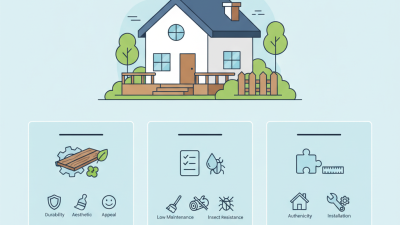
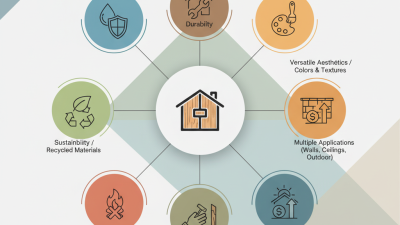
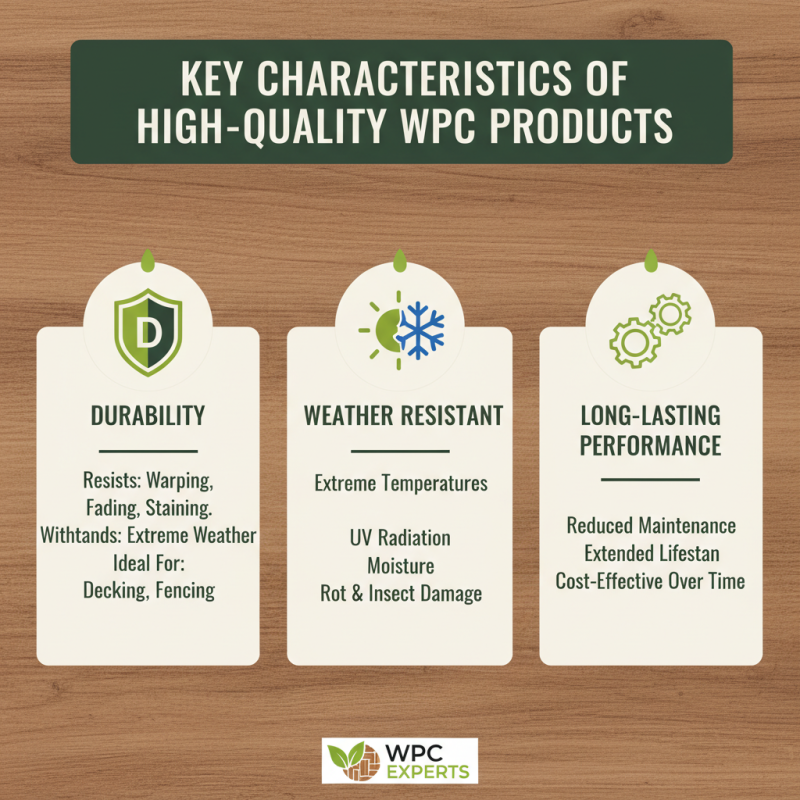
When considering high-quality Wood-Plastic Composite (WPC) products, buyers should focus on several key characteristics. First, durability is essential. High-quality WPC materials can withstand extreme weather conditions. They resist warping, fading, and staining. This makes them ideal for outdoor applications like decking and fencing.
Another important factor is the aesthetic appeal of WPC. Superior products often come in a variety of colors and textures. This allows for greater design flexibility. The finish should mimic natural wood while providing a modern touch. Additionally, the surface should have a good grip to enhance safety, especially in wet conditions.
Recyclability is also a characteristic worth noting. High-quality WPC products often contain a significant proportion of recycled materials. This contributes to sustainability. However, not all manufacturers prioritize eco-friendly practices. Buyers might find it challenging to identify genuine sustainable products. It's essential to research and verify claims. In some cases, products marketed as eco-friendly may fall short of expectations. Continuous improvement and innovation are crucial in the WPC industry. Buyers should remain informed about new technologies and practices.
Comparative Analysis of Leading WPC Manufacturers
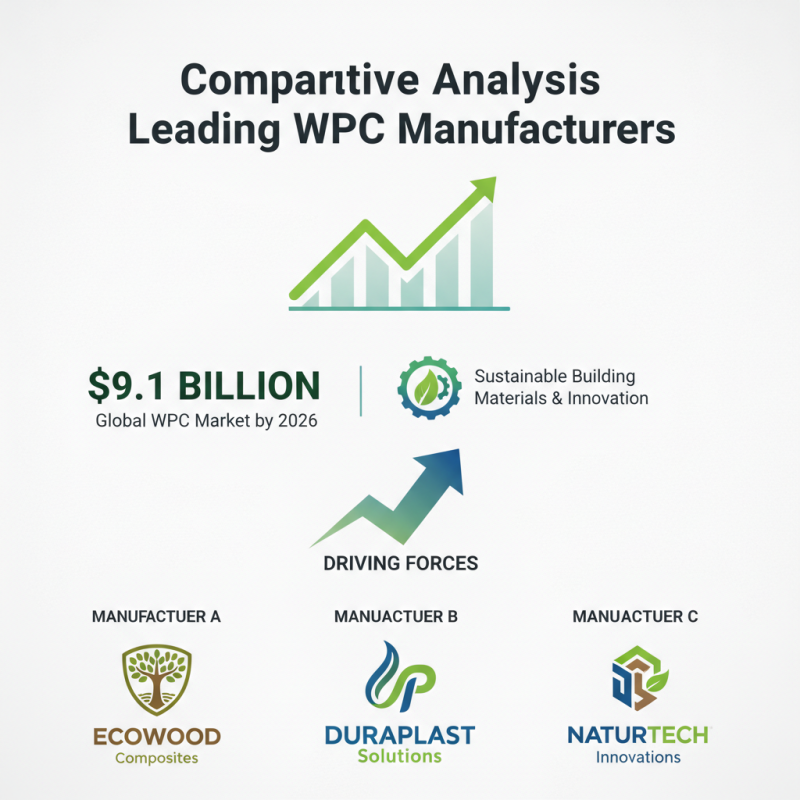
The global WPC (Wood Plastic Composite) market is poised for significant growth by 2026. According to industry reports, the market is projected to reach around $9.1 billion by then, driven by increasing demand for sustainable building materials. Leading manufacturers are focusing on innovative products that blend aesthetics with durability, appealing to environmentally conscious consumers.
A comparative analysis of manufacturers reveals variations in product offerings and sustainability practices. Some companies emphasize recycled materials, while others prioritize high-performance features, such as water resistance and UV stability. A study indicates that 72% of buyers prefer WPC products with a high percentage of recycled content. This data highlights the importance of eco-friendliness in purchasing decisions.
While the market is expanding, challenges remain. Quality control issues can arise due to varying raw material sources. Additionally, manufacturers must navigate regulations that differ by region. Keeping up with these factors is essential for maintaining credibility. The WPC industry must consistently evaluate its practices to ensure reliability and consumer trust. Focusing on both innovation and sustainability will be crucial for future success.
Environmental Sustainability in WPC Material Production
The production of Wood Plastic Composites (WPC) is becoming increasingly significant in addressing environmental concerns. Recent studies show that the global WPC market is projected to reach $7 billion by 2026. This growth reflects a rising demand for sustainable building materials. Environmental sustainability in WPC production involves using recycled wood fibers and plastics. Approximately 30% of WPC materials originate from recycled sources. This reduces waste and promotes a circular economy.
However, challenges persist in the production process. Not all manufacturers adhere to eco-friendly practices. Some still rely on non-renewable resources, which can lead to a larger carbon footprint. The industry must strive for improvement. Innovating ways to increase the percentage of recycled inputs is crucial. Additionally, improving manufacturing efficiencies can help lower emissions.
Consumer awareness is also rising. Reports indicate that 75% of consumers prefer sustainable products. This trend encourages manufacturers to adopt greener practices. Yet, some WPC products lack clear labeling. Transparency in sourcing and production can enhance consumer trust. The need for certification standards is evident. This would ensure consumers make informed choices while supporting eco-friendly practices.
Top WPC Outdoor Solutions for Global Buyers in 2026
Market Demand and Consumer Preferences for WPC in 2026
As the WPC (Wood Plastic Composite) market expands, consumer preferences are shifting toward sustainable and durable outdoor solutions. According to a report from Research and Markets, the global WPC market is projected to reach USD 9.5 billion by 2026, with a significant growth rate driven by environmentally-conscious buyers. Consumers increasingly prioritize products that combine functionality with sustainability, aligned with eco-friendly trends.
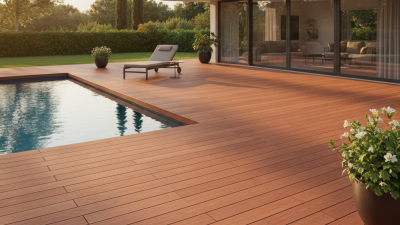
For outdoor applications, aesthetics play a crucial role. WPC decks and fencing materials provide not only durability but also a wood-like appearance that appeals to homeowners. The versatility in design options is a significant attraction. Additionally, a survey from Statista shows that 70% of homeowners consider maintenance requirements when choosing outdoor materials. Lower maintenance needs make WPC an appealing choice.
Tip: When selecting WPC products, check for certifications that verify sustainability. Look for options that feature low chemical emissions. Always ask for detailed specifications to ensure you are making an informed decision.
Market demand will likely continue to evolve, emphasizing quality and performance. As buyers become more discerning, manufacturers must adapt to these expectations. Staying updated on advancements in WPC technology can provide insights into emerging consumer preferences. Engaging with customers can also reveal their unique needs and concerns, guiding product development effectively.

 Hot Selling