Top 5 Wpc Wall Cladding Options for Global Buyers?
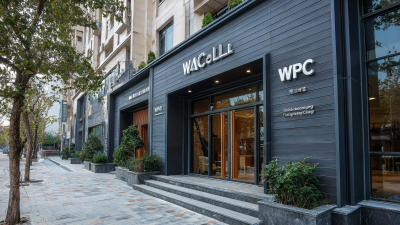
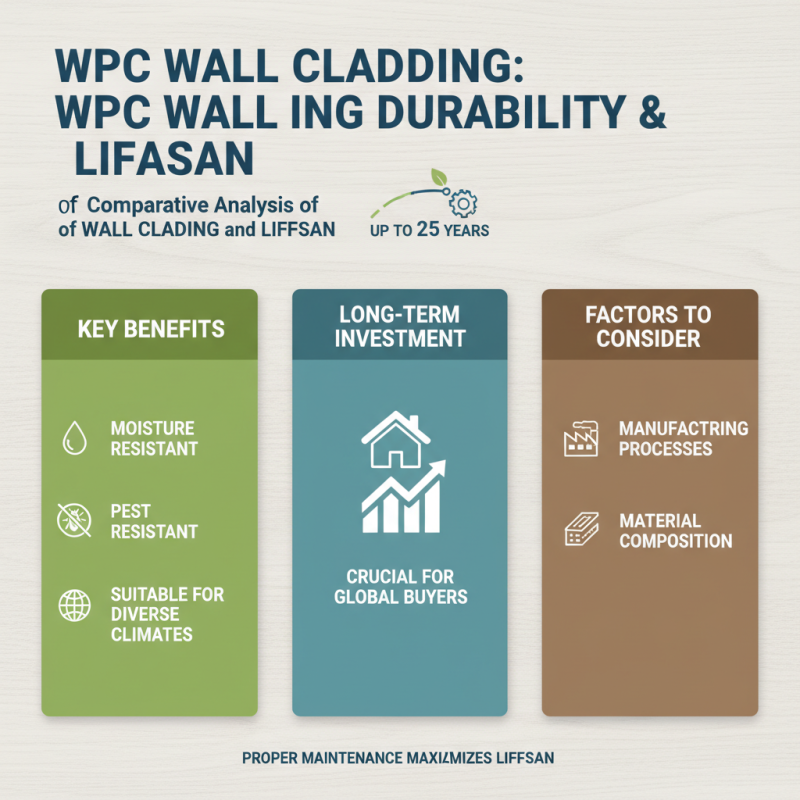
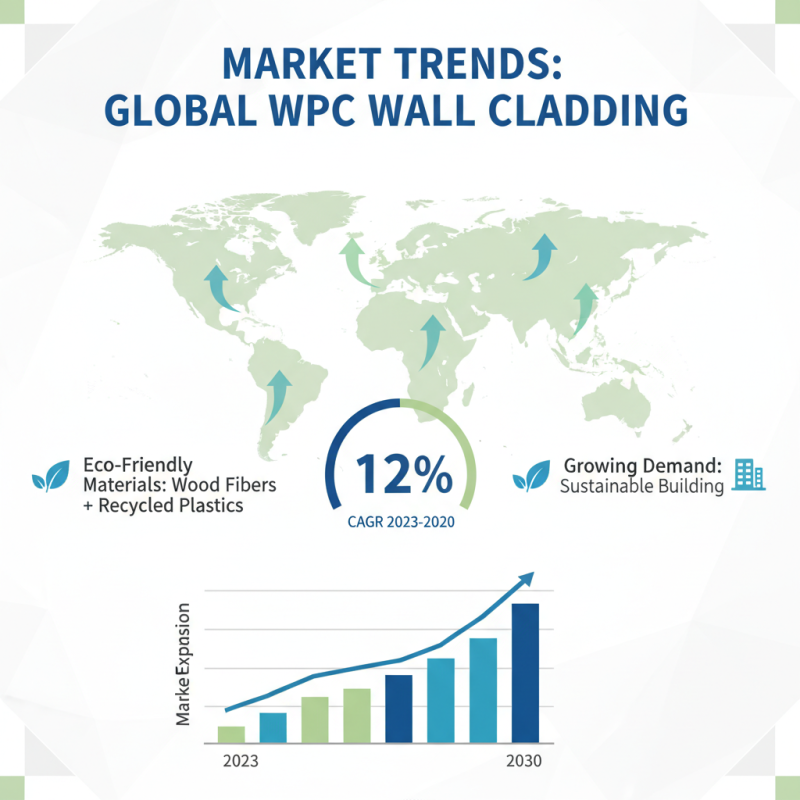
WPC wall cladding has gained significant traction in the construction industry. This innovative material combines wood and plastic, offering durability and aesthetic appeal. According to industry data, the WPC wall cladding market is projected to grow at a CAGR of 12.5% from 2023 to 2030, reflecting increasing demand for sustainable building solutions.
Expert in green building materials, Dr. Emily Chen, emphasizes the importance of WPC wall cladding: "WPC wall cladding provides an eco-friendly option without compromising on quality." This sentiment resonates with builders aiming for environmentally sustainable projects. The versatility of WPC allows it to mold into various styles, catering to diverse customer tastes. Yet, challenges persist. Some buyers remain skeptical about the material's longevity compared to traditional options.
While WPC wall cladding has many advantages, such as low maintenance needs, it is crucial for buyers to conduct thorough research. Not all products in the market offer the same level of quality. Understanding the differences in formulations and finishes can significantly impact long-term satisfaction. As more buyers turn to WPC wall cladding, careful consideration will ensure better choices.
Top 5 WPC Wall Cladding Types: A Comprehensive Overview
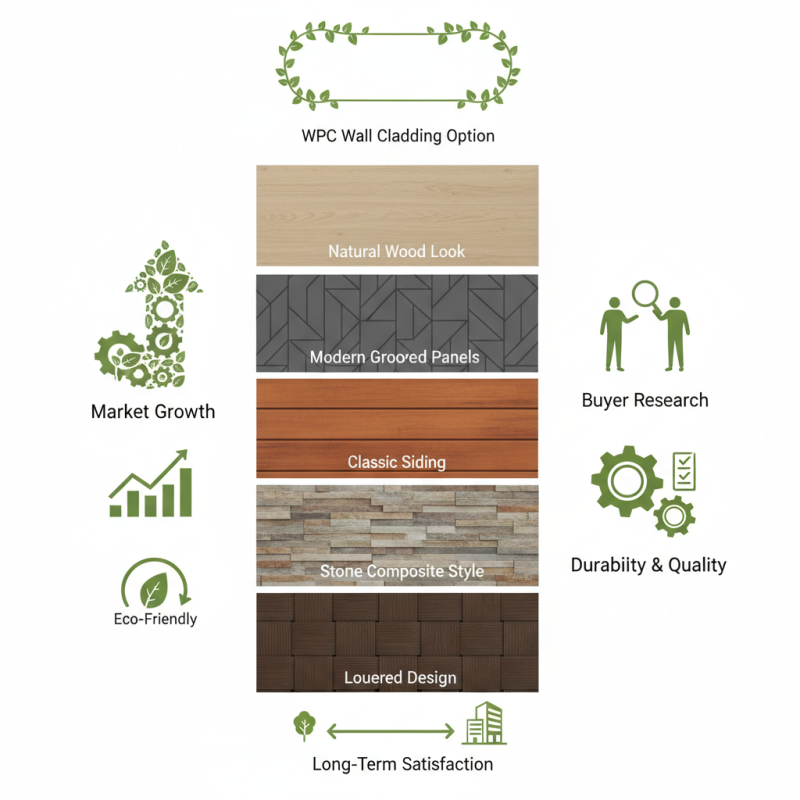
WPC wall cladding has gained popularity among global buyers. This material combines wood fibers with plastic, offering durability and aesthetic appeal. The diverse types available can suit different preferences and environments.
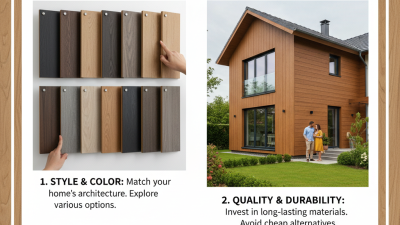
One common option is the natural wood finish, which mimics the appearance of real wood. This style adds warmth and elegance to any space. Another popular choice is the textured surface, providing a more rugged look. Textured cladding can enhance the character of both modern and traditional homes.
Color variation is also a key factor. Some buyers prefer neutral shades, while others seek bright, bold colors. This allows for personalization in design. However, it's important to consider the light exposure and weather conditions. Not all colors may hold up against harsh sun or rain. Choosing the right type requires careful thought and observation. Understanding the limitations can influence long-term satisfaction with the product.
Top 5 WPC Wall Cladding Options for Global Buyers
Sustainability in WPC Wall Cladding: Environmental Impact and Benefits
Sustainability is essential in choosing WPC (Wood Plastic Composite) wall cladding. The construction sector significantly impacts the environment. In fact, it accounts for nearly 39% of global carbon dioxide emissions. This highlights the need for sustainable building materials. WPC wall cladding presents an environmentally friendly alternative. It uses recycled wood and plastic, reducing waste in landfills.
According to market reports, WPC products can reduce environmental impact by up to 70% compared to traditional materials. The energy required for production is notably lower as well. Furthermore, WPC is resistant to moisture and pests, leading to longer lifespan and reduced maintenance. However, not all WPC products meet strict environmental standards. Buyers should be cautious about sourcing from trusted manufacturers.
Another concern is the biodegradability of WPC materials. While they are often made from recycled components, they may not break down naturally in landfills. This raises questions about long-term sustainability. Despite these challenges, WPC remains a compelling choice for environmentally conscious buyers. It offers a balance of durability and lower ecological footprint.
Top 5 WPC Wall Cladding Options for Global Buyers - Sustainability in WPC Wall Cladding: Environmental Impact and Benefits
| WPC Type |
Sustainability Rating |
Recycled Content (%) |
Lifespan (Years) |
Environmental Benefits |
| Wood Plastic Composite 1 |
A+ |
70 |
25 |
Low carbon footprint, reduced deforestation |
| Wood Plastic Composite 2 |
A |
60 |
20 |
Biodegradable components, energy efficient |
| Wood Plastic Composite 3 |
A- |
50 |
30 |
Durability, resistance to pests |
| Wood Plastic Composite 4 |
B+ |
80 |
15 |
Minimal maintenance required, UV resistant |
| Wood Plastic Composite 5 |
B |
65 |
22 |
Weather resistance, low maintenance |
Cost-Effectiveness of WPC Wall Cladding: Investing for the Future
WPC wall cladding stands out for its cost-effectiveness. It's a blend of wood and plastic, providing strength and durability. Homeowners appreciate its resistance to weather, reducing maintenance costs over time. Investing in WPC offers long-term savings that traditional materials may not match.
When choosing materials, consider your local climate. WPC performs well in diverse conditions, but high humidity can impact its longevity. Make the decision based on where you live. Also, think about installation costs. Professional installation adds to the total expense but ensures a quality finish.
Tips for buyers: check for warranties and certifications. This guarantees product quality and longevity. Research installation methods to empower yourself. Sometimes a DIY approach can save money, but be cautious. An error can lead to costly mistakes, negating your savings. Always balance cost with quality to ensure a wise investment in your future.

 Hot Selling