Shandong Xiangying New Materials Technology Co., Ltd.


Leave Your Message

2026 How to Use Wpc Board for Sustainable Building Solutions?

In the quest for sustainable construction, WPC board emerges as a modern solution. Made from recycled wood and plastic, WPC board offers numerous advantages. Its durability is unmatched, standing up against weather and wear. This means less frequent replacements, reducing waste and resource consumption.

WPC board also provides flexibility in design. It can mimic the appearance of traditional wood, giving aesthetic appeal without the environmental toll. However, it's essential to note that not all WPC products are created equal. Some may contain harmful chemicals or have questionable sourcing. Awareness is key.

Using WPC board in building projects can lead to significant eco-friendly outcomes. Yet, careful selection is crucial. Understanding the material’s properties can enhance sustainability efforts. Embracing WPC board involves a commitment to quality and responsible sourcing. This journey calls for reflection and diligence in construction practices.
2026 How to Use Wpc Board for Sustainable Building Solutions?

Understanding WPC Boards: Composition and Properties for Eco-Friendly Use

WPC boards, or wood-plastic composites, offer unique properties that make them suitable for eco-friendly construction. These boards combine recycled wood fibers with plastic, creating a durable yet lightweight material. The composition of WPC boards can vary, but they typically consist of a blend that minimizes waste. This innovative approach supports sustainability in building solutions.

One remarkable aspect of WPC boards is their resistance to moisture and pests. They do not warp or splinter as traditional wood can. This feature makes them an attractive choice for outdoor applications, like decking and fencing. However, the production process can still pose environmental challenges. It is essential to source materials carefully to ensure their eco-friendliness.

Despite their advantages, WPC boards are not without flaws. They might not have the same aesthetic appeal as natural wood, and the manufacturing process often depends on fossil fuels. This raises questions about their overall sustainability. Building professionals should weigh these factors when considering WPC for projects. Each choice requires careful reflection on environmental impacts and long-term benefits.
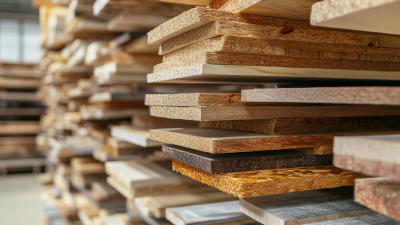
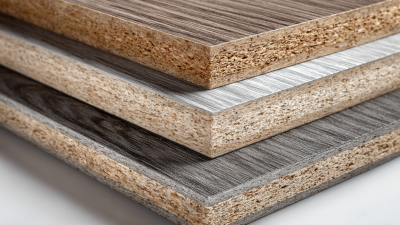
Sustainable Building Benefits: The Role of WPC Boards in Green Construction

WPC boards, made from wood fibers and polymers, are gaining traction in green construction. Their combination of materials promotes sustainability. WPC boards reduce the reliance on timber, which helps preserve forests. This alternative material is not only eco-friendly but also durable.

Choosing WPC boards can lower carbon footprints. They are resistant to moisture, insects, and fading. Builders find them useful for decks, fences, and outdoor furniture. This versatility makes WPC boards a practical choice. However, some may overlook their production process, which can impact overall sustainability.

The benefits extend to reducing waste and promoting recycling. Yet, how sustainable is the manufacturing of WPC boards? Reflecting on this question is vital to ensure long-term environmental benefits. Adopting WPC boards is a step forward, but we must consider where materials come from and their lifecycle. This awareness will lead to better choices in sustainable building practices.

Applications of WPC Boards in Residential and Commercial Projects

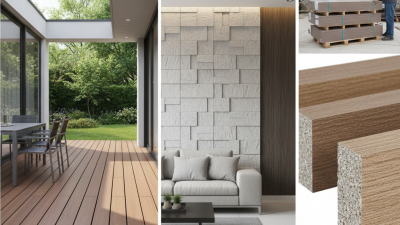
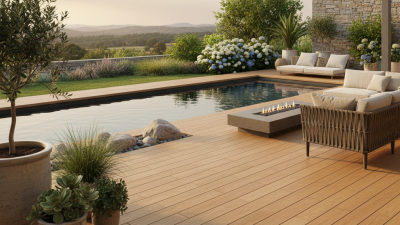
WPC boards, or wood-plastic composites, are gaining popularity in both residential and commercial projects. These innovative materials combine wood fibers and plastic, resulting in products that are not only durable but also environmentally friendly. Homebuilders can use WPC boards for decking, siding, and fencing. They resist moisture and pests. This versatility makes them ideal for outdoor applications.

In the commercial sector, WPC boards can be a sustainable alternative for flooring and wall coverings. They offer a unique aesthetic while reducing reliance on traditional wood sources. Moreover, WPC is easier to maintain than pure wood. However, the initial cost can be higher. Builders need to weigh this investment against long-term benefits.

It's essential for architects and builders to consider local climates. WPC boards behave differently in various environments. For instance, extreme temperatures can impact their durability. Understanding these nuances is key to successful implementation. Regular maintenance and monitoring are also crucial to ensure longevity. In some cases, WPC may not perform as expected. It’s worth discussing these issues during project planning.

Applications of WPC Boards in Sustainable Building Solutions

Comparative Analysis: WPC Boards vs Traditional Building Materials

When comparing WPC boards to traditional building materials, several factors come into play. WPC, or wood-plastic composite, combines recycled wood fibers and plastic for enhanced durability. Unlike conventional materials, WPC is resistant to moisture and pests. This makes it a strong contender for sustainable building.

Traditional materials like wood require significant resources. They often lead to deforestation and increased carbon footprints. In contrast, WPC reduces waste by using recycled content. It's crucial to consider the environmental impact of each material. Choosing WPC can lead to lower maintenance costs and longer lifespans for your projects.

Tips: Always evaluate the source of materials. Sustainable options should prioritize recycling and low environmental impact. Additionally, consider the lifecycle of your chosen material. How long will it last? Will it need frequent replacements? By asking these questions, you can make more informed choices. Understanding these details helps you contribute to a greener future.

2026 How to Use Wpc Board for Sustainable Building Solutions?

Criteria WPC Boards Traditional Materials
Sustainability Made from recycled materials, reducing waste Often sourced from non-renewable resources
Durability Highly resistant to moisture, rot, and insects Varies; typically less resistant to environmental factors
Maintenance Low maintenance; does not require sealing or painting Requires regular maintenance; may need repainting
Cost Higher initial cost, lower lifecycle cost Lower upfront cost, higher long-term maintenance cost
Aesthetic Options Wide variety of colors and textures available Limited color options, may require finishing

Future Trends: Innovations in WPC Technology for Sustainable Solutions

The future of building materials is one where WPC technology plays a critical role. Wood-plastic composites (WPC) combine the benefits of wood and plastic. They are strong, versatile, and environmentally friendly. Innovations in WPC technology focus on improving durability and decreasing the carbon footprint. For example, some manufacturers are exploring new additives that enhance resistance to moisture and UV exposure.

Bio-based plastics are also becoming more prevalent in WPC. These materials can reduce dependency on fossil fuels. Companies are experimenting with alternative fibers and fillers, such as hemp or bamboo. This shift can lead to lighter, stronger boards, perfect for green building designs. However, there is still a need for life-cycle assessments to ensure these newer materials are genuinely sustainable.

The demand for eco-friendly solutions is rising. Yet, many WPC products still face challenges related to decomposition and recyclability. As technology evolves, addressing these issues will be crucial. Innovations in WPC may offer sustainable solutions, but critical thinking on their environmental impact is essential. Embracing new materials requires caution and responsibility.