Top Wall Panel Designs for Home Aesthetics and Functionality?
In today's design landscape, wall panels play a crucial role in enhancing both aesthetics and functionality of spaces. Renowned interior designer Sarah Thompson emphasizes this point: "Wall panels are not just decorative; they redefine a room's atmosphere." The variety of materials and styles available allows homeowners to express individuality while fulfilling practical needs.
As we explore the top wall panel designs, we discover that choices range from sleek modern finishes to more traditional wooden textures. Each option presents its unique advantages, yet some may overlook how wall panels can significantly influence a space's utility. For example, sound-absorbing panels can improve acoustics, making rooms more comfortable and functional.
Despite the creativity options, not every wall panel design suits every home. Homeowners may struggle to find perfect harmony between style and practicality. They must reflect on their needs. Some designs may seem beautiful but offer little in functionality. Crafting a balanced approach is essential to ensure that wall panels enhance living spaces rather than detract from them.
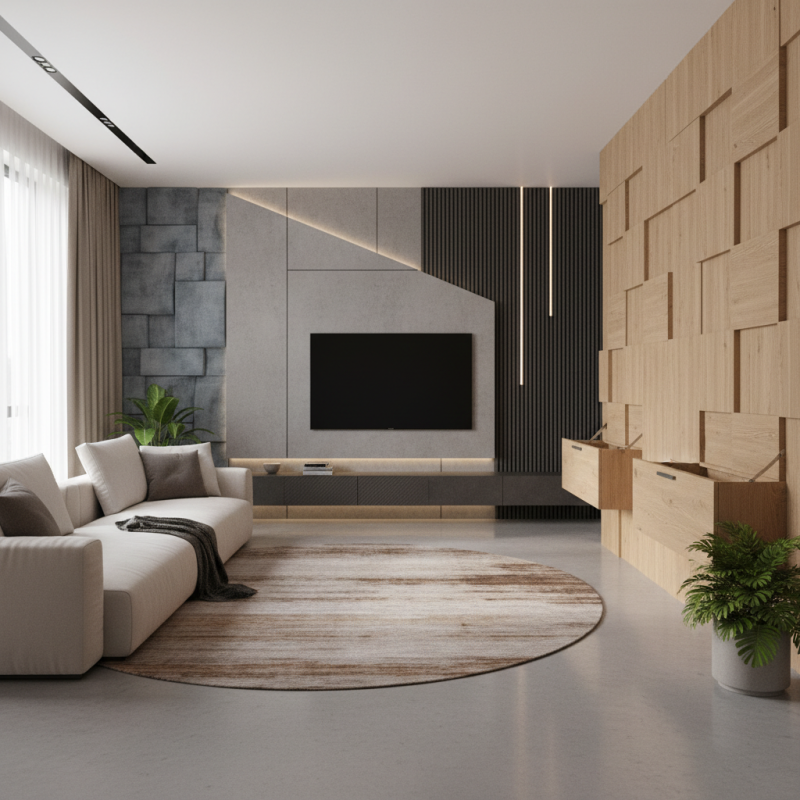
The Importance of Wall Panels in Home Design
Wall panels play a crucial role in enhancing the overall aesthetics and functionality of a home. They not only provide an attractive finish but also contribute to insulation and soundproofing. Choosing the right design can elevate any room, creating a harmonious blend of style and practicality.
When selecting wall panels, consider the material and texture. Wood panels can add warmth and a classic feel. Meanwhile, metal options offer a contemporary touch. Think about your room's purpose. For example, effortless maintenance is key in high-traffic areas, while a cozy vibe matters in bedrooms.
Tips: Choose colors that complement your furniture. Dark tones can create a dramatic effect, while lighter shades expand the space visually. Experiment with patterns but keep it subtle to avoid overwhelming the room. Always consider how lighting will affect panel appearance.
Remember, imperfections can enhance character. A slightly mismatched design might spark creativity and lead to a unique look. Reflecting on your choices can improve your home’s ambiance, making it more personal and inviting. Focus on functionality without compromising on aesthetics.
Top Wall Panel Designs for Home Aesthetics and Functionality
This chart illustrates the popularity of various wall panel designs, highlighting their aesthetic appeal and functionality in home design.
Popular Materials Used in Wall Paneling
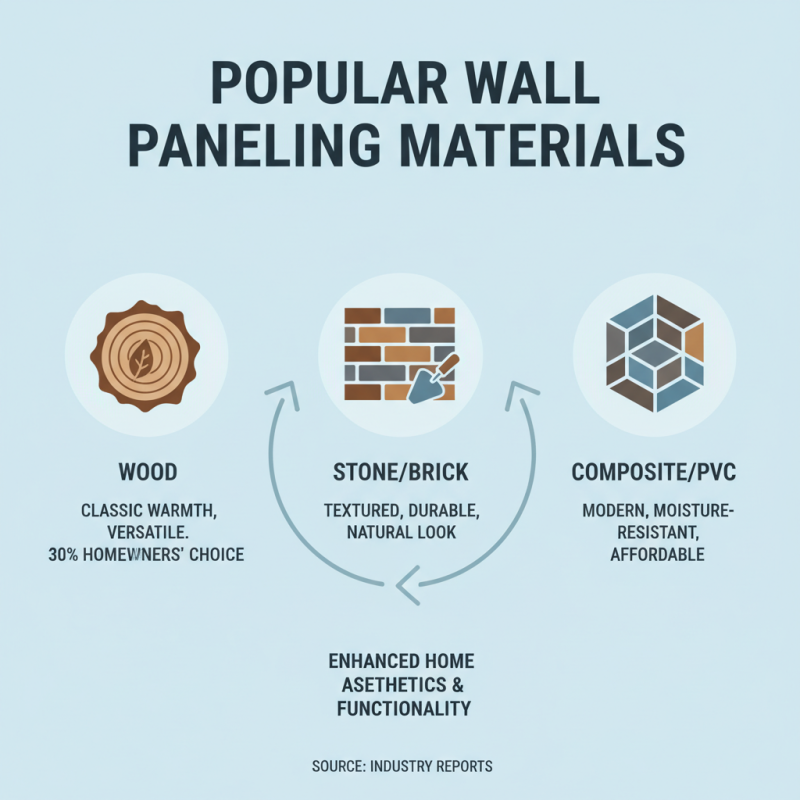
Wall paneling has become a popular choice for enhancing home aesthetics and improving functionality. The materials used for wall panels greatly influence both appearance and performance. Wood, for instance, is a classic option, known for its warmth and versatility. According to industry reports, approximately 30% of homeowners prefer wood paneling for its natural appeal.
Another trending material is MDF (Medium Density Fibreboard). It offers a smooth surface that's easy to paint and customize. The National Association of Home Builders indicates that MDF has gained popularity due to its affordability and durability. Many designers are utilizing this material in modern homes, balancing aesthetics and cost.
Metal panels are also emerging in contemporary design. They provide a sleek, industrial look that can enhance urban interiors. However, their reflective surfaces can create glare, which is a concern in certain lighting. It’s essential for homeowners to weigh the pros and cons of each material. Engaging with experts can provide insights into optimal choices tailored to specific needs. The right wall paneling can significantly impact a space, combining practicality with visual appeal.
Creative Design Ideas for Enhancing Room Aesthetics
Wall panel designs can significantly elevate your home's aesthetics. According to recent reports, 82% of homeowners believe that good design directly impacts their mood and well-being. Creative use of wall panels adds depth and dimension. Wood, for instance, introduces warmth and texture. Meanwhile, metal panels can create a sleek, modern look.
Using varied materials can enhance visual interest. A combination of textures boosts the design's complexity. For instance, a living room with a mix of soft fabric and hard wood panels engages the senses. Consider geometric patterns or custom murals. They can transform a simple wall into a striking focal point. However, it’s essential to balance aesthetics with functionality. Poorly executed designs can make spaces feel cluttered or overwhelming.
Statistics reveal that 67% of decorators prioritize functionality alongside beauty. Well-planned paneling can improve acoustics or insulation. It's crucial to reflect on your choices. A space that looks good isn’t always comfortable or usable. Evaluate how each panel choice aligns with your lifestyle. The goal is to create spaces that are not only visually appealing but also livable.
Top Wall Panel Designs for Home Aesthetics and Functionality
| Design Style |
Material |
Color Scheme |
Functionality |
Suitable Rooms |
| Modern Minimalist |
MDF, Plywood |
White, Grey |
Simple and Clean Lines |
Living Room, Bedroom |
| Rustic Wood |
Reclaimed Wood |
Natural Brown |
Warm and Inviting Atmosphere |
Kitchen, Dining Room |
| Industrial Chic |
Metal, Concrete |
Grey, Black |
Stylish and Bold |
Loft, Studio |
| Textured Panels |
Gypsum, Fabric |
Soft Neutrals |
Acoustic Quality |
Home Theater, Office |
| Colorful Accent Panels |
Plywood, PVC |
Bright Tones |
Vibrant and Fun |
Children's Room, Playroom |
Balancing Functionality and Style in Wall Panel Choices
When considering wall panel designs, the harmony between functionality and style is crucial. Many homeowners overlook the practical benefits of wall panels. For instance, acoustic panels can drastically reduce noise levels in busy homes. On the other hand, decorative panels can enhance the visual appeal of a room. Balancing these aspects can be challenging, yet it pays off in a cohesive atmosphere.
Choosing the right material is key. Wood panels offer a rustic charm, while metal panels can add a modern touch. Each material has its pros and cons. Did you know that poor choices can lead to maintenance headaches? For example, painted panels may chip over time, requiring costly retouches. Reflect on how often you want to upkeep your panels. This consideration is often underestimated.
Color and texture play a vital role. Light colors can make a space feel larger, while dark tones can create intimacy. Textured surfaces can add depth to otherwise flat walls. However, bold patterns might clash with existing decor. Homeowners must think critically about their choices. A thoughtful blend of functionality and style can result in a beautiful and practical living space.
Maintenance Tips for Long-lasting Wall Panels
Choosing wall panels for aesthetics and functionality requires careful maintenance to ensure longevity. Research indicates that well-maintained wall panels can last up to 30 years. Regular care prevents damage and preserves appearance. Cleaning with appropriate materials is crucial. For instance, using a soft cloth and mild soap can remove dirt without causing scratches.
Humidity and temperature fluctuations can warp panels. Maintaining a stable environment is essential. Experts recommend using dehumidifiers in humid climates. This small investment can save big in repairs. Additionally, inspecting panels for wear every few months is wise. Catching issues early can avoid costly replacements later.
Apply sealants as an extra layer of protection. According to industry studies, sealed panels resist stains up to 70% better than unsealed ones. A simple resealing every five years can extend their life dramatically. Keeping surfaces free of heavy objects can also prevent dents and scratches. Small steps lead to significant benefits in wall panel maintenance.

 Hot Selling