Why Wall Panel WPC is the Best Choice for Your Home Interior Design
When it comes to interior design, the choice of materials can significantly impact not just
aesthetics but also
functionality and
sustainability. Among the myriad of options available,
Wall Panel WPC (Wood Plastic Composite) has emerged as a
frontrunner in recent years. According to a report by MarketsandMarkets, the global WPC market
is projected to reach $9.54 billion by 2025, reflecting a compound annual growth
rate (CAGR) of 12.3%. This significant growth highlights the increasing preference
for materials that combine the warmth of wood with the durability of plastic, making Wall Panel WPC
an ideal choice for modern homes.
Wall Panel WPC is lauded for its resilience against moisture, termites, and warping, attributes
particularly important for interior applications where traditional wood may falter. In a recent
industry study by Research and Markets, 67% of designers indicated that the sustainability
factor of WPC played a crucial role in their material selection process, aligning with the growing
consumer demand for eco-friendly products. In this context, Wall Panel WPC stands out not only as a
versatile design solution but also as a responsible choice that caters to today’s environmental
consciousness. As we explore the reasons why Wall Panel WPC is poised to be at the forefront of
interior design in 2025, it becomes evident that its benefits extend well beyond mere
aesthetics.
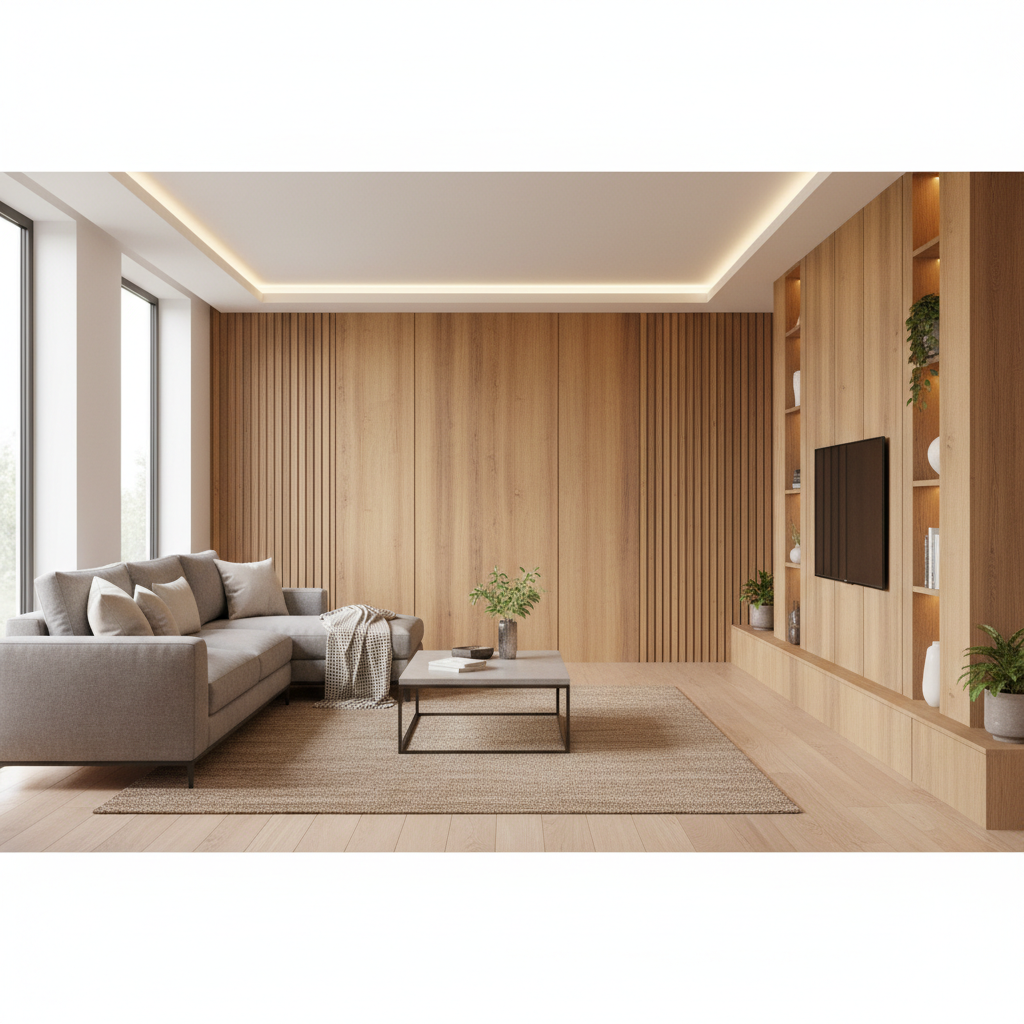
The Advantages of Wall Panel WPC Over Traditional Materials in Interior Design
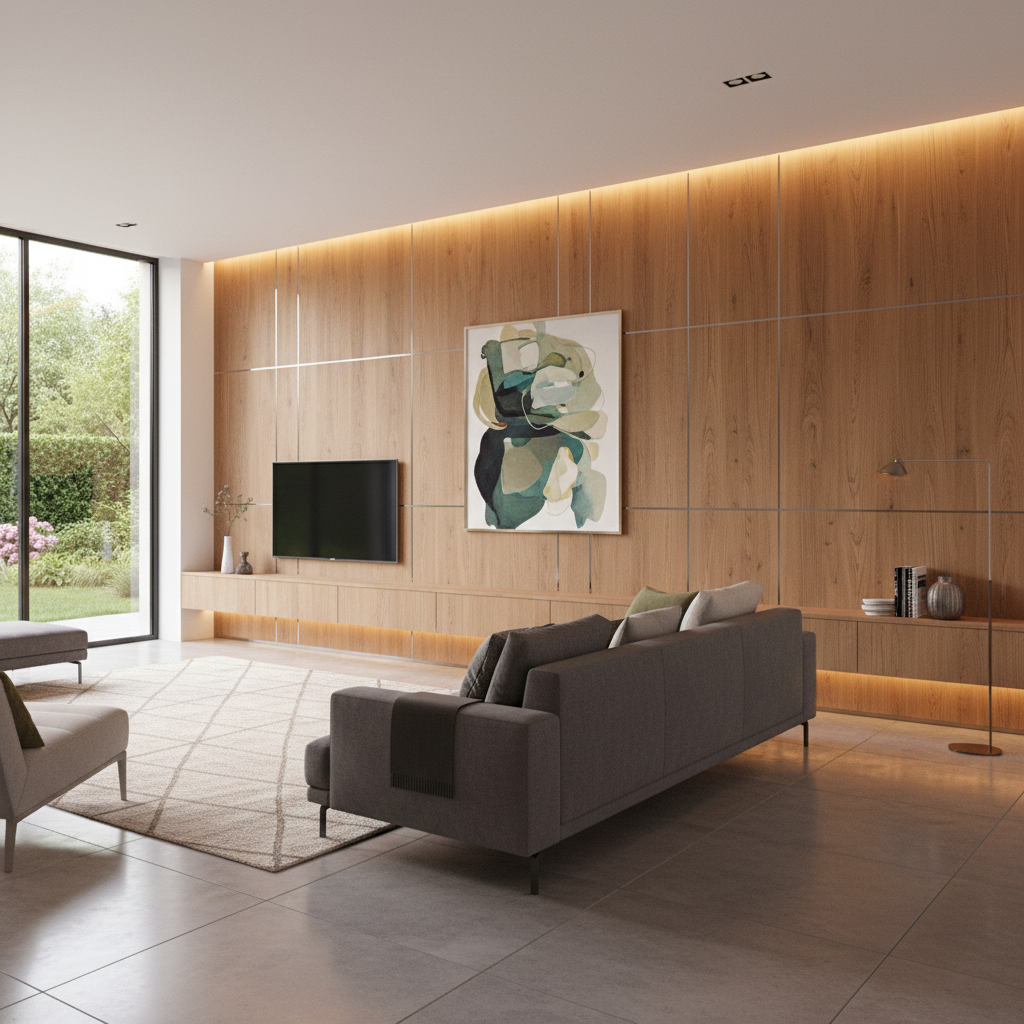 Wall Panel WPC (Wood Plastic Composite) has emerged as a superior choice for interior design, especially when compared to traditional materials like wood and drywall. One significant advantage of WPC panels is their durability. Unlike traditional wood, which can warp, crack, or decay over time, WPC panels are resistant to moisture and insects, making them ideal for various indoor environments. The low maintenance requirement of WPC also appeals to homeowners, who can enjoy a stylish interior without the constant upkeep associated with wood and other materials.
Furthermore, the burgeoning demand for sustainable building solutions drives the popularity of WPC. As the global wood-plastic composite market is expected to grow from $8.9 billion in 2025 to $27.6 billion by 2035, with a projected CAGR of 12% during the period, more consumers are opting for eco-friendly materials. WPC panels not only provide an aesthetic appeal but also help in reducing the carbon footprint. Their lightweight nature makes installation easier, saving both time and labor costs, while also allowing for creative designs that can elevate any space.
Understanding the Durability and Longevity of WPC Wall Panels for Home Use
WPC, or Wood Plastic Composite, has gained popularity in interior design due to its exceptional durability and longevity, making it an ideal choice for home wall panels. One of the standout features of WPC wall panels is their resistance to moisture and humidity. Unlike traditional wood, which can warp or swell over time, WPC materials maintain their structural integrity even in wet environments. This quality is particularly beneficial for areas like kitchens and bathrooms, where high moisture levels can pose a challenge to conventional wall materials.
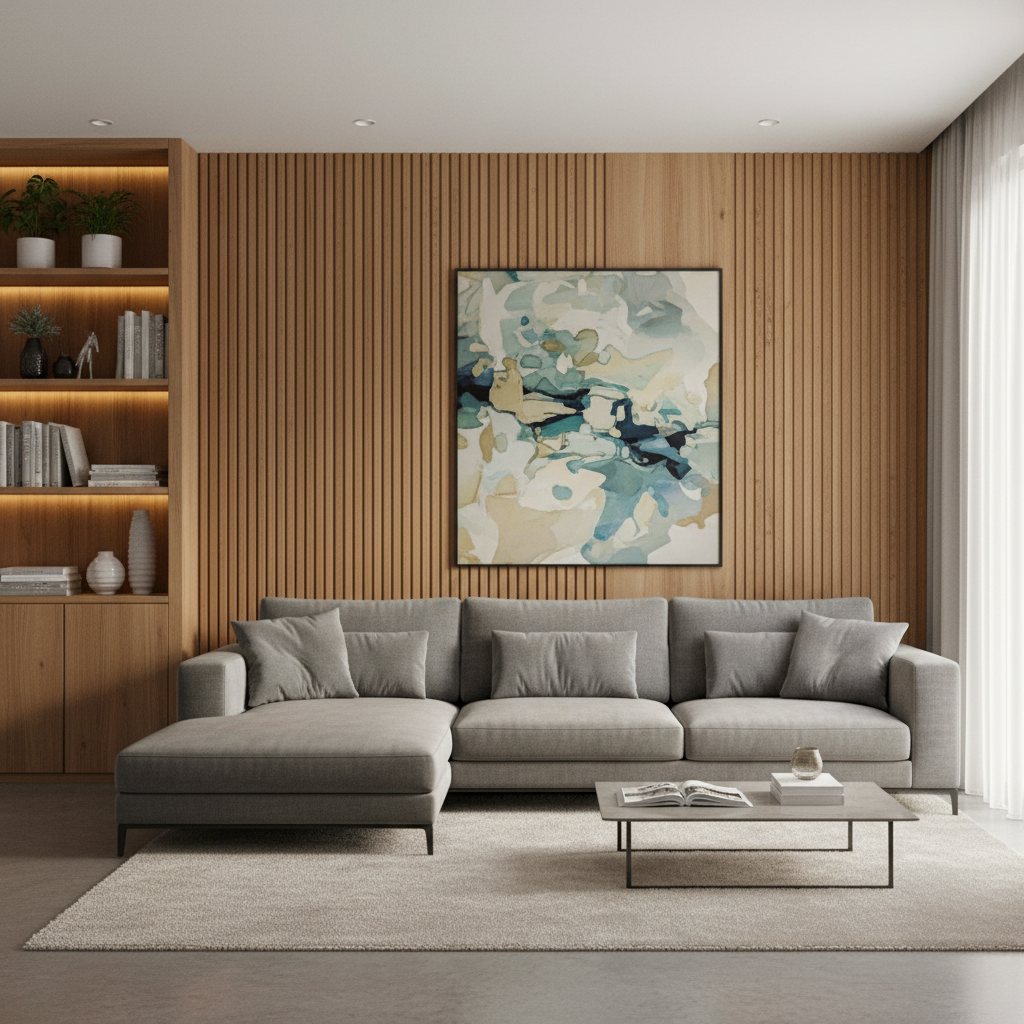
Additionally, WPC wall panels offer excellent resistance to fading and wear, ensuring that they retain their vibrant appearance for years to come. They are designed to withstand the rigors of everyday life, making them a suitable option for families and high-traffic areas. Easy to clean and maintain, WPC panels are not only functional but also aesthetically pleasing, allowing homeowners to achieve their desired look without sacrificing durability. By choosing WPC wall panels, one can enjoy a blend of style and practicality that will stand the test of time in home interiors.
Cost-Effectiveness of WPC Wall Panels: A Financial Analysis for Homeowners
Wood-Plastic Composite (WPC) wall panels have emerged as a cost-effective solution for homeowners looking to enhance their interior design without breaking the bank. According to a report by Freedonia Group, the demand for WPC materials is projected to grow by 6.5% annually, highlighting their increasing popularity and value in the construction sector. This growth can primarily be attributed to their affordability compared to traditional wood or high-end materials, making WPC panels an attractive option for budget-conscious homeowners.
In terms of financial analysis, WPC wall panels offer long-term savings that extend beyond initial investment. The National Association of Home Builders (NAHB) reports that homes featuring WPC materials often yield a higher return on investment when resold. Additionally, their durability and low maintenance requirements can result in reduced costs over time—homeowners save approximately 30% on maintenance compared to conventional wooden panels. As such, incorporating WPC wall panels not only enhances aesthetic appeal but also provides a prudent financial strategy for sustainable home improvement.
Sustainability of WPC Wall Panels: Why Eco-Friendly Choices Matter in Home Design
When it comes to home interior design, sustainability is becoming increasingly vital for homeowners.
WPC (Wood Plastic Composite) wall panels stand out as a prime example of eco-friendly choices that not only enhance aesthetic appeal but also contribute positively to the environment.
These panels are made from a blend of recycled wood fibers and plastic, significantly reducing the need for virgin materials and minimizing waste.
Choosing WPC wall panels helps in reducing the carbon footprint associated with traditional building materials, making them a responsible choice for environmentally conscious consumers.
Furthermore, the durability and low maintenance of WPC wall panels align perfectly with sustainable living principles.
Unlike conventional wood, which may require frequent refinishing and can be prone to weathering, WPC wall panels are resistant to moisture, insects, and decay.
This longevity means fewer resources are consumed over time for repairs and replacements.
Additionally, the production process of WPC panels often utilizes environmentally friendly manufacturing techniques, ensuring that the impact on natural resources is minimized.
By opting for WPC wall panels, homeowners can not only create beautiful living spaces but also support a more sustainable and eco-friendly future in home design.
Design Versatility of WPC Panels: How to Achieve Various Aesthetics with Ease
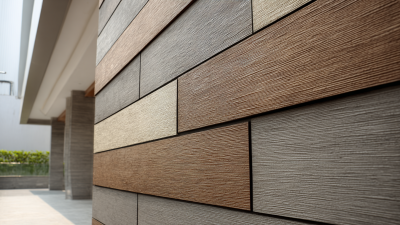
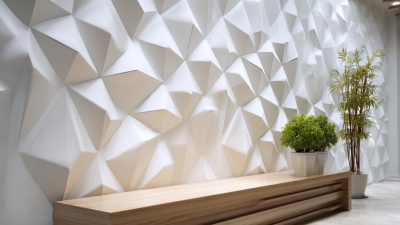
WPC (Wood Plastic Composite) panels are increasingly becoming a favored choice in home interior design due to their remarkable versatility. These panels can effortlessly mimic the appearance of various materials, from traditional wood finishes to sleek modern designs. Homeowners can achieve a rustic charm with intricate wood grain patterns or a contemporary aesthetic with clean, smooth surfaces, all while ensuring durability and low maintenance.
The adaptability of WPC panels allows them to fit seamlessly into any room, whether used for accent walls, ceilings, or decorative features. They come in a variety of colors, textures, and sizes, making it easy to customize spaces to reflect personal style. Additionally, their lightweight nature simplifies installation, enabling homeowners and designers to achieve diverse looks without the complexity often associated with heavier materials. This flexibility not only enhances the visual appeal of interiors but also supports creative expressions in design.

 Hot Selling