What is Wpc Board and Why is it Popular for Buyers?
WPC (Wood Plastic Composite) boards have gained significant traction in the construction and furniture industries. This material combines the durability of plastic with the aesthetic appeal of wood. A recent industry report from Smith & Associates indicates that the global WPC market is expected to reach $9 billion by 2025, driven by sustainability trends and consumer demand for eco-friendly building materials.
Expert Johnathan Green, a renowned figure in the WPC industry, emphasizes the appeal of this material, stating, "WPC boards are revolutionizing how we think about building materials." This statement underscores the innovative nature of WPC boards, which offer weather resistance and low maintenance compared to traditional wood.
Potential buyers are increasingly aware of sustainability issues. WPC boards address these concerns by utilizing recycled materials. However, some challenges remain. Not all WPC products deliver consistent quality, prompting buyers to conduct thorough research. As demand grows, ensuring reliability becomes crucial for market players. The popularity of WPC boards speaks to their potential, yet consumers must tread carefully in their choices.
What is WPC Board? Definition and Composition Explained
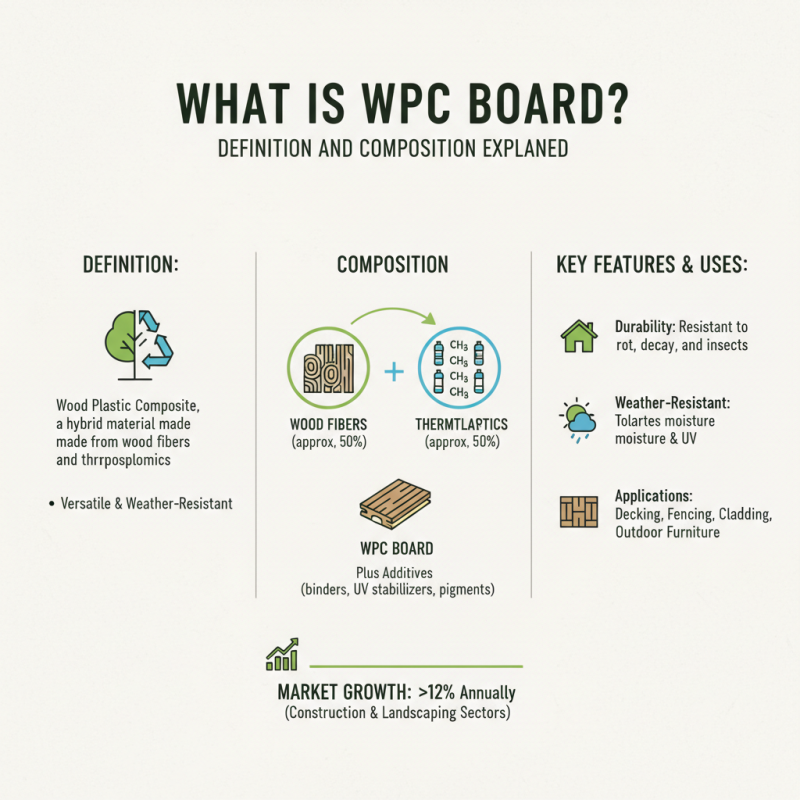
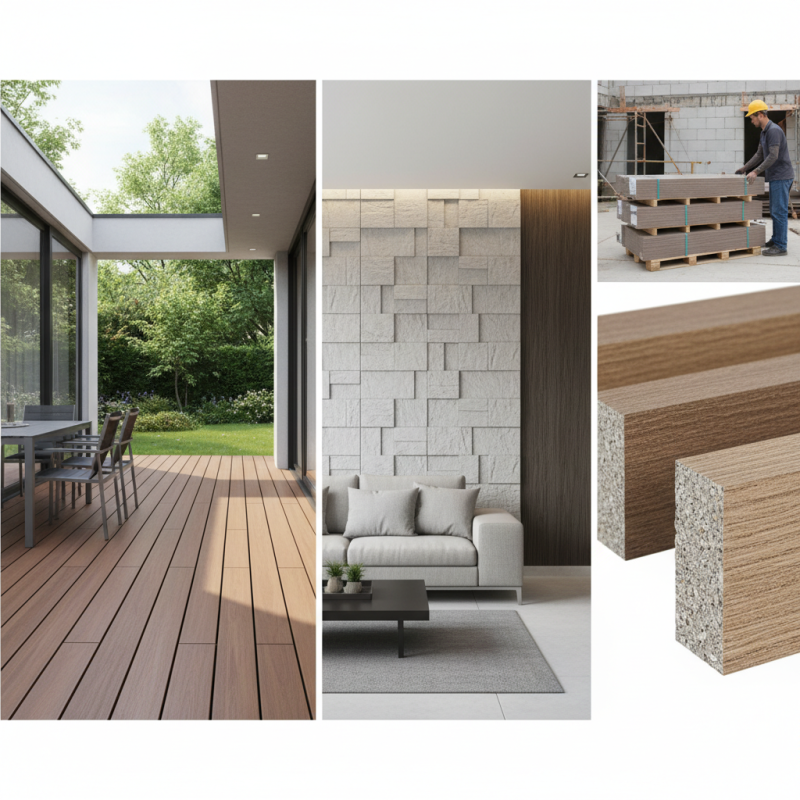
WPC board, or Wood Plastic Composite board, is a versatile material combining wood fibers and thermoplastics. This unique composition allows for a strong, weather-resistant product suitable for various applications, including decking and fencing. In recent years, the construction and landscaping sectors have seen a surge in WPC board usage, with reports indicating a market growth rate of over 12% annually.
The appeal of WPC boards lies in their durability and low maintenance requirements. Unlike conventional wood, WPC boards do not warp, splinter, or swell when exposed to moisture. They can withstand the elements, making them a popular choice for outdoor applications. This resilience is underpinned by studies showing that WPC boards can last up to 25 years, significantly outlasting untreated wood.
However, it's essential to acknowledge the environmental debates surrounding WPC materials. While these boards often incorporate recycled content, the production process may still involve non-renewable resources. Not all WPC boards are created equal; variations in quality and composition can lead to performance issues. Buyers should research and assess the material's specifications before making decisions.
Key Features of WPC Boards that Attract Buyers
WPC boards, or Wood-Plastic Composites, have gained popularity for a variety of reasons. Their unique combination of wood fibers and plastic materials makes them versatile. Many homeowners and builders appreciate their durability and resistance to harsh weather. They don't warp or splinter like traditional wood. This makes WPC boards a practical choice for outdoor projects.
One key feature that attracts buyers is their low maintenance requirement. Unlike wood, WPC boards do not need regular staining or sealing. A simple wash with soap and water keeps them looking new. Additionally, these boards are eco-friendly. They often use recycled materials, which appeals to environmentally conscious consumers. However, some users may find that the colors can fade over time. This aspect needs careful consideration.
Aesthetic versatility is another appealing feature. WPC boards come in various colors and textures. This allows for customization in design projects. However, not all options may suit every style. Therefore, it's essential to evaluate different choices before finalizing. Overall, WPC boards offer a blend of practicality and style, making them a popular choice for many buyers.
Advantages of Using WPC Boards in Construction and Design
WPC boards, or Wood Plastic Composites, combine wood fibers with plastic. This combination creates a versatile material used in construction and design. WPC boards bring several advantages that are appealing to buyers.
One major benefit is durability. WPC boards resist moisture, rot, and pests, making them ideal for outdoor projects. They maintain their appearance over time without the need for heavy maintenance. This results in long-term cost savings for homeowners and builders alike. Beyond durability, these boards are eco-friendly. They utilize recycled materials, helping reduce waste.
Tips for choosing WPC boards:
- Ensure proper thickness for your project. Thicker boards offer more strength.
- Consider color options. Customizing can enhance the aesthetic.
- Research local suppliers. Quality may vary significantly.
Another advantage is
ease of installation. WPC boards can often be cut and shaped like wood, making them user-friendly for builders. However, improper installation can lead to issues. It’s important to follow guidelines closely. Evaluate how the boards interact with different climates too;
some may warp in extreme conditions.
With these benefits, it’s clear why WPC boards are gaining popularity. They represent a
modern solution for sustainable building practices.
Common Applications of WPC Boards in Various Industries
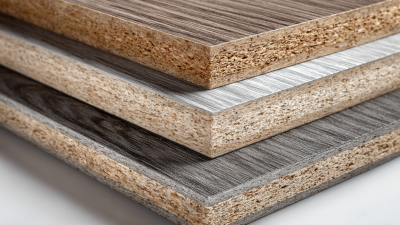
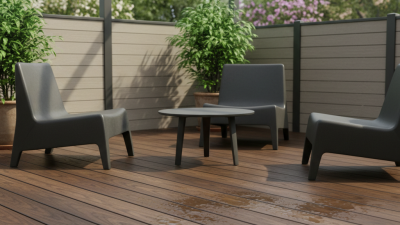
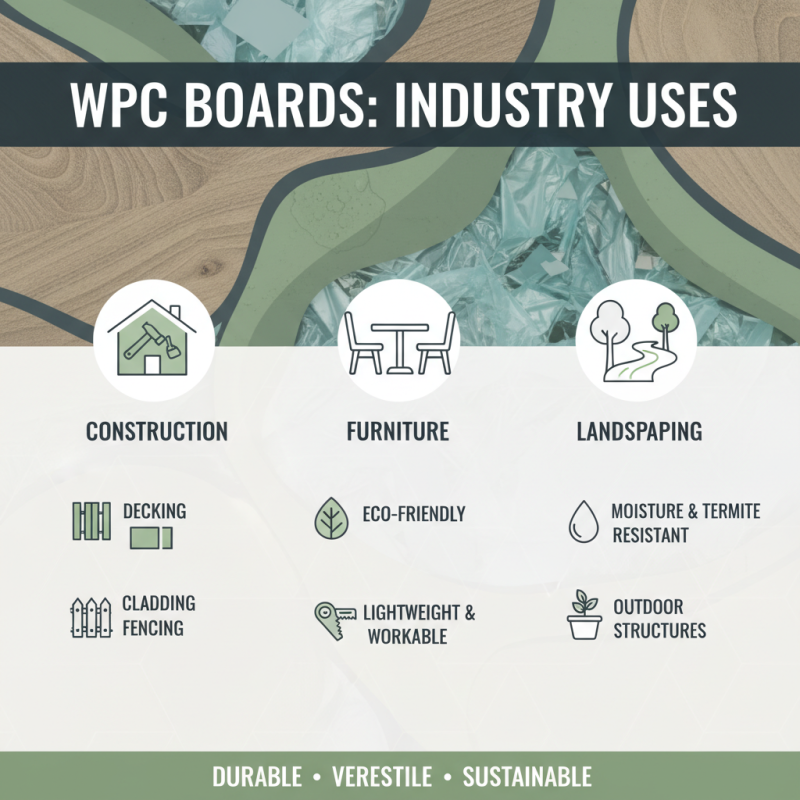
WPC boards, or wood-plastic composite boards, are favored in multiple industries due to their versatility and durability. These materials find common applications in construction, furniture, and landscaping. In the construction sector, WPC boards are used for decking, cladding, and even fencing. Their resistance to moisture and termites makes them ideal for outdoor use. In furniture, WPC boards offer an eco-friendly option that mimics natural wood’s appearance. They are lightweight and easy to work with, making them popular among designers and manufacturers.
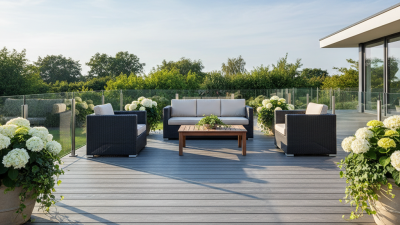
In landscaping, WPC boards are employed for garden furniture and pathways. Their durability ensures longevity, even in varying weather conditions. WPC boards also contribute to a greener environment by repurposing waste materials from wood and plastic. However, it’s important to note that while they are low maintenance, the quality can vary. Buyers should carefully consider the specifications before purchasing.
Tips: Always check the material's thickness and density. Thicker boards tend to be more durable. Also, consider the weight capacity for decking projects. At times, the aesthetics may not meet all design expectations. A sample test might provide a clearer insight before full orders are made. Explore various designs to truly understand the material's versatility.
Environmental Impact and Sustainability of WPC Boards
WPC, or wood-plastic composite, boards are gaining traction due to their environmental benefits. These boards combine recycled wood fibers and plastic, significantly lowering waste. According to a report by the American Institute of Architects, WPCs can reduce landfill contributions by nearly 30% when used for decking and landscaping products. This recycling aspect appeals to eco-conscious consumers who prioritize sustainability.
Manufacturing WPC boards also consumes less energy compared to traditional wood products. A study published in the Journal of Cleaner Production indicates that WPC production can lead to a 40% decrease in greenhouse gas emissions. By using reclaimed materials, manufacturers minimize the need for virgin resources, further enhancing their sustainability profile. However, concerns over the durability and decomposition of WPC in natural environments remain. Environmentalists question if biodegradable alternatives exist and how to improve the lifecycle impact of these products.
Lastly, while WPC boards are designed to be long-lasting, they may still leach additives into the soil over time. This raises important questions about their long-term ecological impact. While their popularity continues to rise, ongoing research is crucial to address these challenges.

 Hot Selling