What is WPC Decking Outdoor Benefits and Installation Guide?
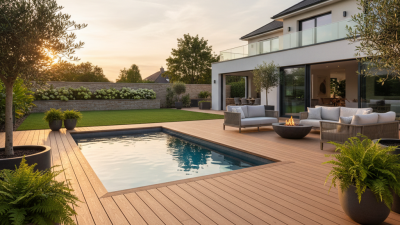
When considering outdoor spaces, "WPC Decking Outdoor" stands out for its blend of beauty and functionality. Expert James Harper, a noted specialist in outdoor landscaping, emphasizes that "WPC decking transforms spaces into inviting retreats." This innovative material combines wood and plastic, offering durability while maintaining an appealing aesthetic.
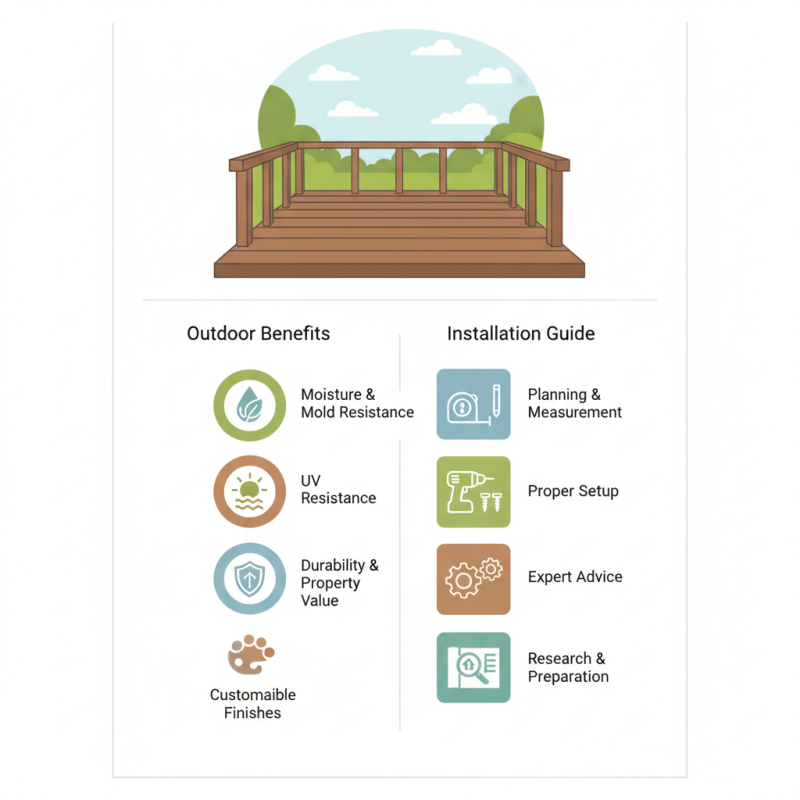
Choosing WPC decking for outdoor projects has substantial benefits. Its resistance to moisture, mold, and UV rays makes it ideal for various climates. Homeowners can enjoy low maintenance while enhancing their property value. The colorful myriad of finishes available allows for customization. However, some may overlook the importance of a proper installation process. An incorrect setup can lead to future issues.
WPC decking is not just a trending choice; it presents both challenges and rewards. A well-planned installation can create a stunning outdoor area. It's essential to weigh the options carefully. Proper research and expert advice can lead to splendid results in your outdoor oasis. Your satisfaction depends on how well you prepare.
Understanding WPC Decking: Composition and Features
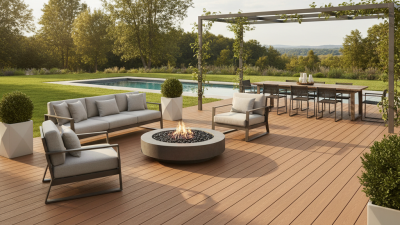
WPC decking, made from wood-plastic composites, offers unique advantages for outdoor spaces. The composition typically includes recycled wood fibers and plastic, creating a durable surface resistant to moisture and insects. According to the National Association of Home Builders, about 62% of homeowners opt for WPC due to its low maintenance needs. This material withstands the elements well and does not warp easily.
The features of WPC decking extend beyond durability. The surface mimics natural wood, providing aesthetic appeal without the drawbacks of genuine timber. A recent industry report revealed that WPC decking reduces UV damage significantly compared to traditional wood. However, installation can be a challenge; improper fastening could lead to buckling or movement over time.
Many users report that while WPC maintains its color longer than wood, fading can still occur in high sun areas. This underscores the importance of regular maintenance checks. Understanding these nuances can help homeowners make informed decisions and avoid potential pitfalls.
Key Benefits of WPC Decking for Outdoor Spaces
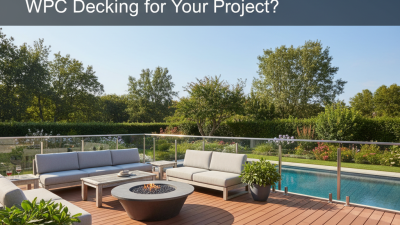
WPC decking, made from wood-plastic composites, is a popular choice for outdoor spaces. Its blend of wood fibers and plastic provides several benefits that enhance any garden or patio. One major advantage is its durability. WPC decking resists fading, scratching, and staining. This means it can withstand heavy foot traffic and weather fluctuations better than traditional wood.
Maintenance is another highlight. Unlike conventional wooden decks that require regular sanding and sealing, WPC decking needs minimal upkeep. A simple wash with soap and water is often enough. This is especially appealing for homeowners who want a beautiful outdoor area without extensive maintenance.
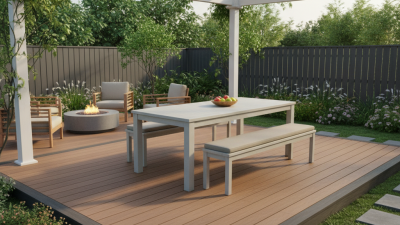
The aesthetic appeal of WPC decking cannot be overlooked. It comes in a variety of colors and textures, allowing for personalized designs. However, some might find the initial investment higher than wood. Reflecting on long-term value is crucial. The longevity and minimal maintenance can make WPC a cost-effective option over time. Balancing these aspects can guide the choice for outdoor improvements.
Step-by-Step Installation Process for WPC Decking
Installing WPC decking is a straightforward process that can enhance your outdoor space. Begin by gathering the necessary tools and materials. You’ll need a saw, drill, screws, and of course, the WPC boards. It’s crucial to measure your deck area accurately. This ensures you purchase enough decking material, avoiding wastage or unexpected trips to the store.
Preparation is essential. Clear the area of any debris and ensure the surface is level. A solid foundation usually consists of a substructure. This is often made from treated wood or metal. Securely install the supports to create a stable base for your decking. Once that’s done, lay the WPC boards, allowing for expansion gaps as recommended by the manufacturer. Secure each board with screws, ensuring they are flush to avoid tripping hazards.
While the installation is generally uncomplicated, mistakes can happen. Misalignment of boards can lead to an uneven surface. Additionally, not leaving enough space for expansion can cause warping under temperature changes. Take your time to double-check your work at each step. Adjustments may be necessary, but this will lead to a more durable and appealing decking result.
WPC Decking Benefits Comparison
The chart above illustrates the various benefits of WPC decking, rated on a scale from 1 to 10. Durability and aesthetic appeal score the highest, indicating strong performance in both longevity and visual attraction, while maintenance and cost-effectiveness are also notable factors in choosing WPC decking. Environmentally friendly properties receive the highest rating, emphasizing WPC decking's sustainable advantages.
Maintenance Tips for Longevity of WPC Decking
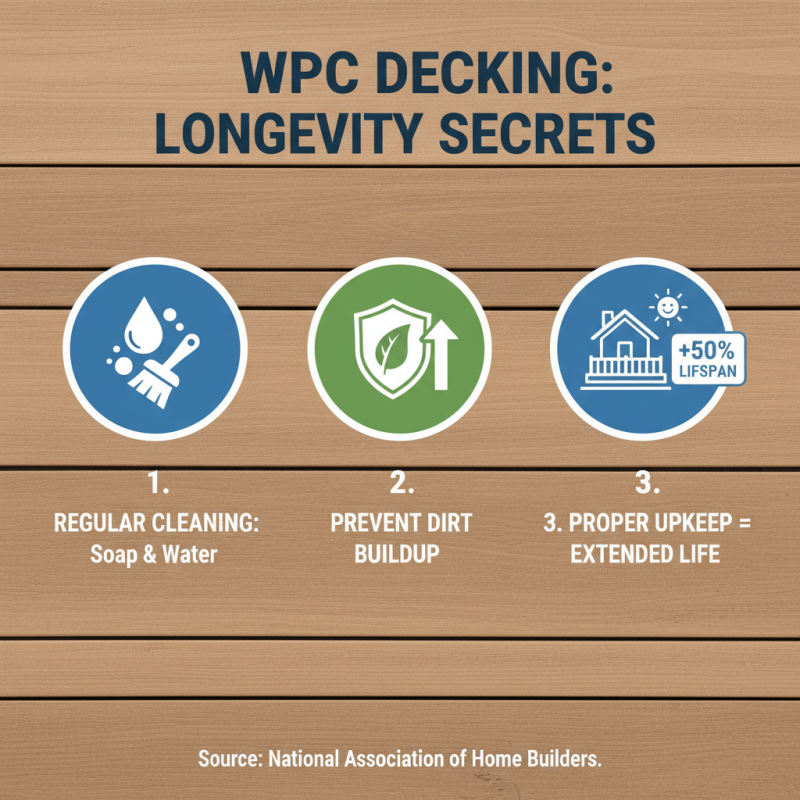
WPC (Wood Plastic Composite) decking offers several advantages, particularly in outdoor settings. However, to maximize its lifespan, maintenance is essential. Regular cleaning with soap and water helps prevent dirt buildup. According to the National Association of Home Builders, proper upkeep can increase deck longevity by up to 50%.
Inspecting your WPC decking for signs of wear is crucial. Look for cracks, warping, or color fading. The American Society for Testing and Materials (ASTM) recommends annual inspections to catch issues early. Sealants can also provide extra protection against moisture and UV damage. A light re-sealing every few years can significantly extend your deck’s life.
It’s not all easy, though. Some homeowners struggle with deep cleaning. Persistent stains can require specialized treatments. Additionally, environmental conditions like heavy rain or excessive sun might create unforeseen challenges. Being aware of these factors helps in developing a proper maintenance routine. Each deck needs individual attention to remain in good shape over time.
Comparing WPC Decking with Traditional Wood Decking
When comparing WPC (Wood-Plastic Composite) decking with traditional wood decking, several key differences emerge. WPC decking combines wood fibers and recycled plastic, making it resistant to moisture, insects, and decay. This feature significantly enhances durability, especially in outdoor conditions. Traditional wood, while aesthetically pleasing, often requires extensive maintenance. It needs regular sealing and staining to protect against the elements.
Moreover, WPC decking offers a more consistent appearance without natural imperfections. Traditional wood can warp, splinter, or develop mold. This can affect safety, especially around children and pets. However, WPC decking can still fade over time, leading to concerns about aesthetics. Homeowners should consider both options carefully based on their outdoor space and how much time they want to spend on maintenance.
Cost is another factor in this comparison. WPC may have a higher upfront cost, but it can save money in the long run through reduced maintenance. When investing in outdoor decking, weighing the benefits and drawbacks is essential. Understanding these differences helps in making an informed decision for your home.

 Hot Selling