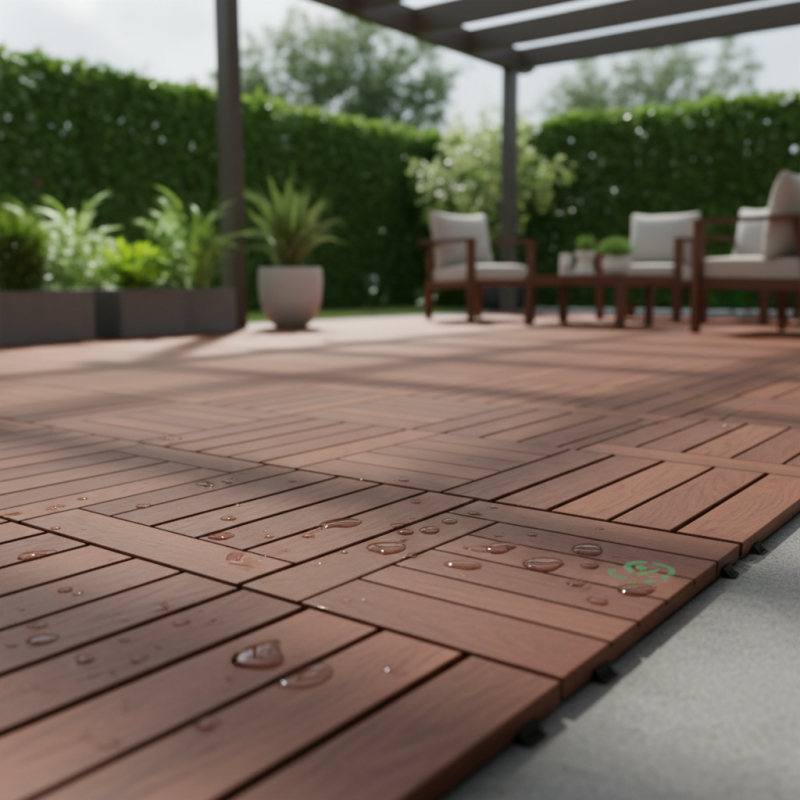
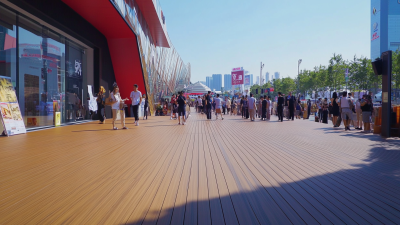
What is WPC Decking Tiles? Benefits, Features, and Installation Guide
WPC decking tiles have emerged as a popular choice for outdoor living spaces, thanks to their unique combination of durability, aesthetic appeal, and sustainability. John Smith, a renowned expert in the field of eco-friendly building materials, emphasizes the impact of WPC decking tiles on modern landscaping, stating, "WPC decking tiles not only provide a beautiful surface for recreational activities but also contribute to the preservation of our natural resources." This innovative material, made from a blend of wood fibers and recycled plastic, offers homeowners an excellent alternative to traditional wood decking, ensuring a longer lifespan and reduced maintenance.
In addition to their appealing design, WPC decking tiles are celebrated for their versatility in installation. They can easily be placed over existing surfaces without the need for additional groundwork, making them a practical choice for those looking to enhance their outdoor spaces quickly and efficiently. With benefits such as resistance to moisture, termites, and fading, these tiles are ideal for various environments, from coastal areas to humid climates.
As we delve into the features and installation guide of WPC decking tiles, it becomes clear why they are becoming the go-to option for homeowners and landscape designers alike. Their efficient installation, coupled with a host of advantages, reaffirms their place in the future of outdoor design.
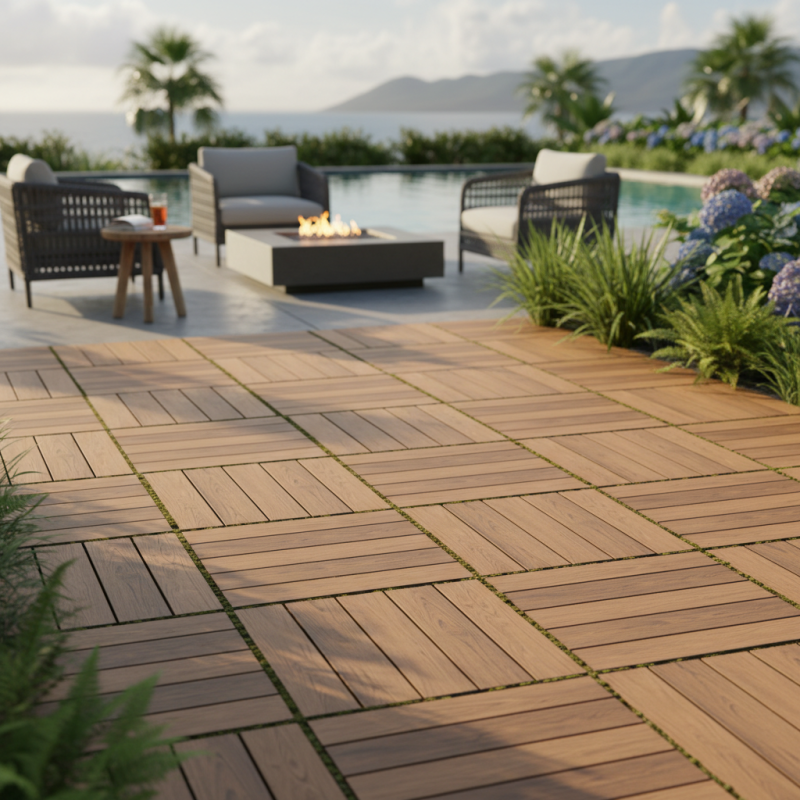
What is WPC Decking Tiles?
WPC (Wood Plastic Composite) decking tiles are an innovative solution that combines the beauty of wood with the durability of plastic. These tiles are made from a blend of recycled wood fibers and plastic, which makes them resistant to rotting, fading, and insect damage. According to a report by Research and Markets, the global WPC market was valued at approximately $4.18 billion in 2020 and is projected to grow at a CAGR of over 13% from 2021 to 2028. This growth is largely attributed to the increasing demand for sustainable building materials and the environmental benefits associated with WPC products.
One of the standout features of WPC decking tiles is their low maintenance requirement. Unlike traditional wood decking, WPC does not need to be sanded or stained regularly, reducing both the time and expense associated with upkeep. Additionally, these tiles come in a variety of colors and textures, allowing homeowners to achieve the aesthetic they desire without sacrificing durability. A study published in the "Journal of Architectural Engineering" found that WPC materials can last up to 25 years with proper care, significantly outperforming conventional wood decking options, which typically have a lifespan of around 10 to 15 years. Overall, WPC decking tiles present an appealing option for both residential and commercial outdoor spaces, offering longevity and aesthetics in one sustainable package.
Key Benefits of Using WPC Decking Tiles
WPC decking tiles, composed of wood-plastic composite, are increasingly popular for outdoor spaces due to their numerous advantages. One of the key benefits of using WPC decking tiles is their exceptional durability. Unlike traditional wood, WPC is resistant to warping, splintering, and decay, making it ideal for environments exposed to moisture and fluctuating temperatures. This resilience translates to a longer lifespan, reducing the need for frequent replacements and maintenance, which can be a significant cost saver in the long run.
Another notable feature is the eco-friendliness of WPC decking tiles. Made from recycled materials, they offer a sustainable solution without sacrificing aesthetics. The tiles mimic the look of natural wood while providing added benefits like resistance to mold and mildew. Furthermore, their low maintenance requirements, such as no painting or sealing needed, make them an attractive choice for homeowners seeking convenience. With easy installation options, including interlocking designs, WPC decking tiles allow for a hassle-free setup, enabling homeowners to enjoy their outdoor spaces without extensive labor.
Features That Set WPC Decking Tiles Apart
WPC (Wood Plastic Composite) decking tiles are a modern alternative to traditional wood products, offering several features that distinguish them in the outdoor flooring market. One of the primary advantages is their durability. WPC decking tiles are resistant to moisture, insects, and rot, making them an ideal choice for outdoor environments where wood might easily succumb to the elements. This durability ensures that the tiles maintain their aesthetic appeal and structural integrity over time, requiring less frequent replacement or repairs.
Another key feature of WPC decking tiles is their low maintenance requirement. Unlike traditional wood decking that needs regular sanding, sealing, and staining, WPC tiles can typically be cleaned with just soap and water. This ease of upkeep not only saves time but also provides a cost-effective solution in the long run. Additionally, WPC decking tiles come in a variety of colors, textures, and finishes, allowing homeowners to customize their outdoor spaces according to personal preferences without sacrificing quality or longevity. Overall, these attributes make WPC decking tiles a compelling choice for those seeking a practical yet attractive flooring option.
Step-by-Step Installation Guide for WPC Decking Tiles
When it comes to installing WPC decking tiles, a step-by-step approach ensures a smooth and efficient process. Begin by preparing the installation area. Clear the space of any debris, vegetation, or old decking materials, and ensure the ground is level. If needed, lay down a weed barrier fabric to prevent future growth that could disrupt the tiles.
Next, establish a solid foundation by using gravel or sand to create an even surface for the tiles to rest upon, enhancing stability and drainage.
Once your base is ready, you can start laying the WPC decking tiles. Begin from one corner and work your way across, interlocking each tile as you go. Make sure to maintain consistent spacing between the tiles for proper ventilation and expansion. If necessary, use a rubber mallet to gently tap the tiles into place, ensuring they fit snugly but are not forced.
After the tiles are laid down, finalize the installation by securing the edges, either by using trim pieces or screws, depending on your desired finish. This meticulous approach not only guarantees a professional appearance but also maximizes the longevity of your WPC deck.
Maintenance Tips for Longevity of WPC Decking Tiles
WPC decking tiles are becoming increasingly popular for outdoor spaces due to their durability and low maintenance requirements. However, to ensure that these tiles last for years to come, proper care and maintenance are essential. Regular cleaning is the first step in maintaining the appearance and integrity of WPC decking tiles. It is recommended to sweep away debris and use a mild soap solution with water to remove stains and dirt.
Avoid using harsh chemicals or abrasive cleaners, as these can damage the surface of the tiles.
In addition to regular cleaning, protecting WPC decking from the elements can significantly extend its lifespan. Applying a protective sealant every couple of years can help shield the tiles from moisture and UV damage. It’s also advisable to immediately address any spills or stains to prevent long-term discoloration. In snowy or icy conditions, ensure to use a plastic shovel or snow broom to avoid scratching the surface. By following these maintenance tips, you can enjoy the beauty and functionality of WPC decking tiles for many years while keeping their performance high.

 Hot Selling