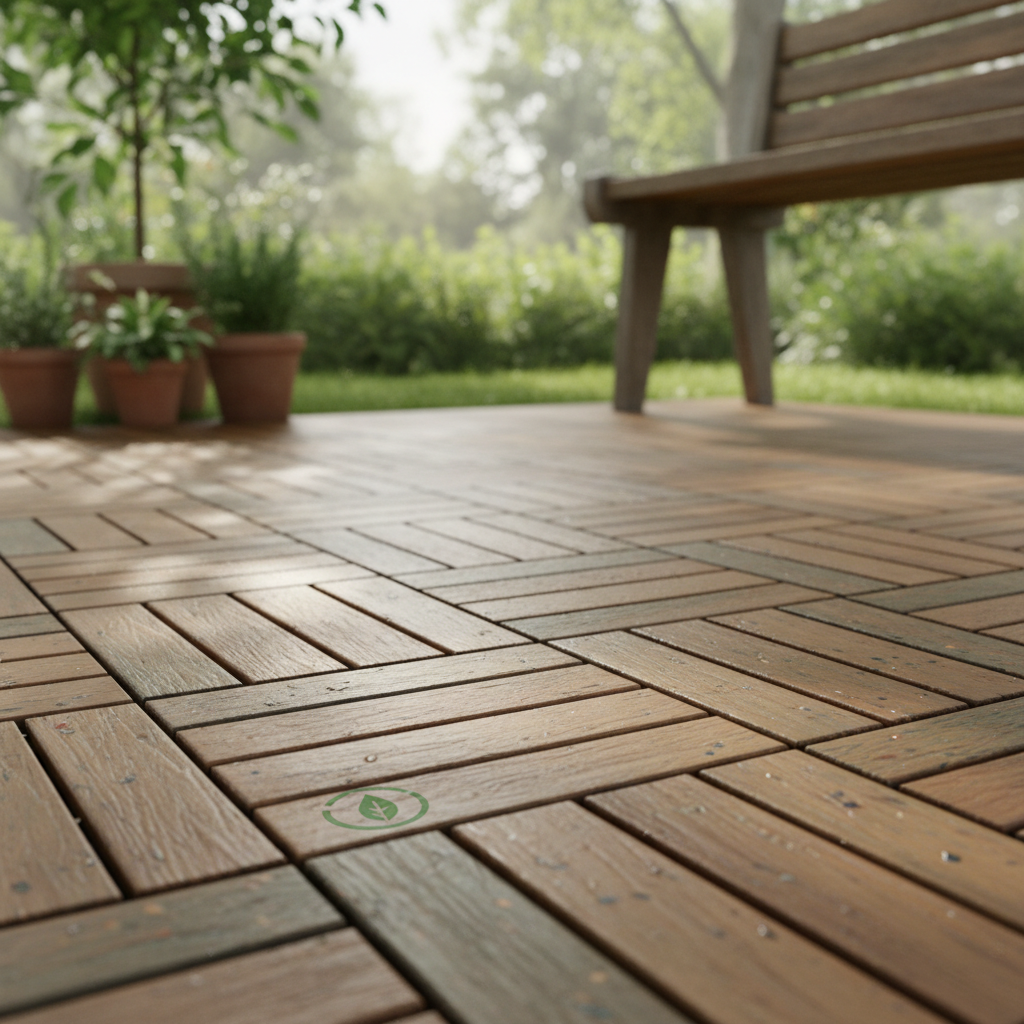
Top 10 Benefits of WPC Decking Tiles: Eco-Friendly, Durable, and Cost-Effective Solutions
In recent years, WPC decking tiles have gained significant attention as a superior alternative to traditional decking materials. With their eco-friendly composition, remarkable durability, and cost-effective features, these tiles are revolutionizing outdoor spaces. Industry expert Dr. Emily Green, a leading authority in sustainable building materials, states, "WPC decking tiles not only enhance the aesthetic appeal of a space but also promote environmental sustainability by utilizing recycled materials." This underscores the growing recognition of WPC decking tiles as a responsible choice for environmentally conscious consumers.
As homeowners and designers look for innovative solutions to elevate their outdoor environments, WPC decking tiles stand out for their versatility and resilience. Offering a multitude of design options, these tiles can seamlessly blend with various architectural styles while providing a sturdy surface that withstands the test of time. The combination of wood and plastic in WPC products creates a unique balance, making them resistant to weather elements and pests, which often plague traditional wood decking.
In this article, we will explore the top 10 benefits of WPC decking tiles, highlighting their eco-friendly nature, long-lasting performance, and financial advantages. As we delve into these benefits, it becomes clear that WPC decking tiles are not just a trend, but a forward-thinking solution for modern outdoor living.
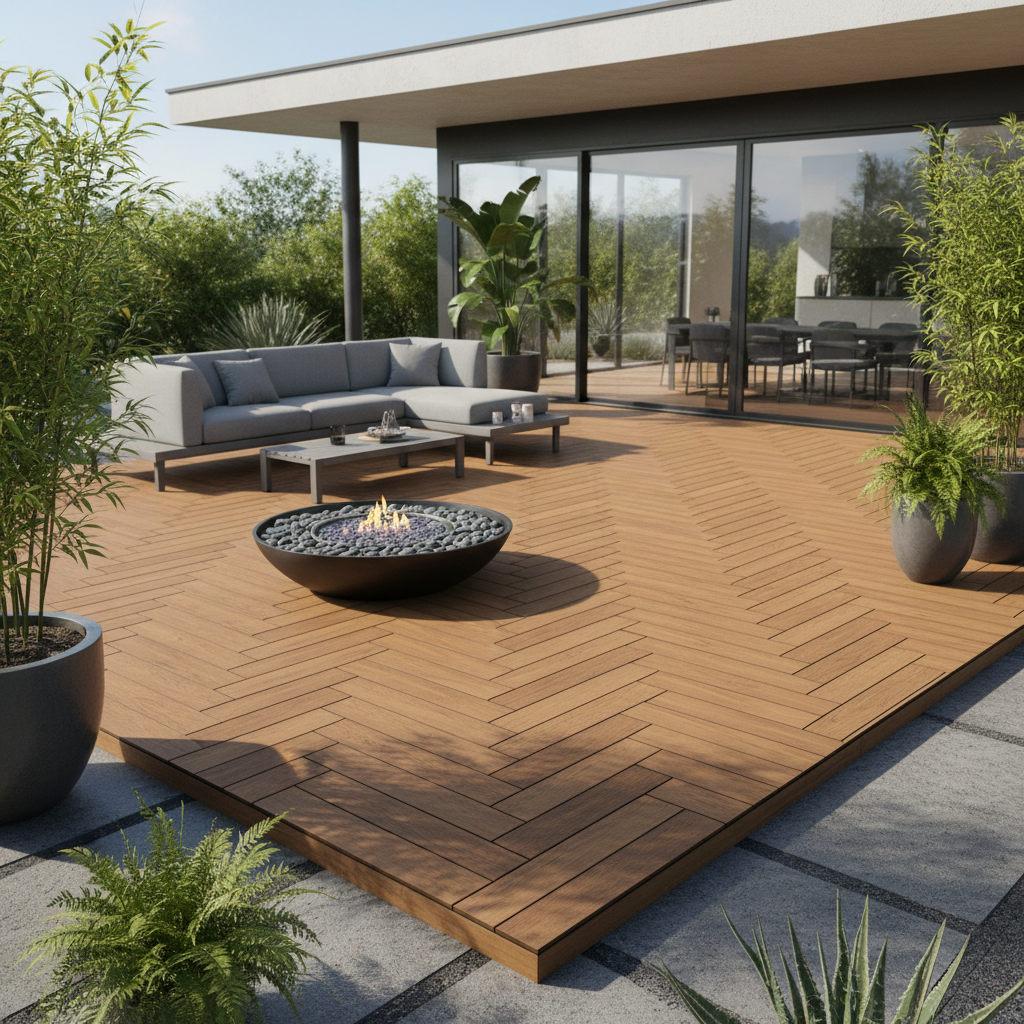
How to Choose Eco-Friendly WPC Decking Tiles for Your Home
When selecting eco-friendly WPC (Wood-Plastic Composite) decking tiles for your home, it's crucial to consider several factors that ensure sustainability without compromising on quality. First, look for products made from recycled materials, as this helps reduce waste and environmental impact. Many manufacturers now use a blend of recycled wood fibers and plastic, creating a durable product while being kind to the planet.
Tips: Check for certifications from reputable organizations that guarantee the eco-friendliness of the materials. Brands that are transparent about their sourcing and production processes are often more trustworthy. Additionally, consider the product's longevity and maintenance requirements to ensure it truly serves as a long-term sustainable solution.
Another essential aspect to consider is the aesthetic appeal of the WPC decking tiles. Choose colors and textures that complement your home and landscape while maintaining eco-friendly attributes. This will not only enhance the visual appeal of your outdoor space but also increase your home's overall value.
Tips: Always request samples to see firsthand how the tiles look and feel in your environment before making a purchase. This allows you to match them with your existing decor and outdoor furniture seamlessly.
How to Assess the Durability of WPC Decking Tiles Before Installation
When considering WPC (Wood Plastic Composite) decking tiles for your outdoor space, assessing their durability is crucial before installation. Start by examining the material composition. High-quality WPC tiles typically consist of a blend of recycled wood fibers and plastic, which enhances their resistance to moisture, warping, and fading. Look for products that offer a strong warranty, as reputable manufacturers will back their claims of durability.
In addition to material quality, consider the construction of the tiles. Thicker tiles generally provide better strength and longevity, making them less prone to cracking under pressure. It's also beneficial to assess any additional treatments or coatings that improve resistance to mold, stains, and UV rays. Finally, customer reviews and expert ratings can provide insight into firsthand experiences regarding the longevity and overall performance of specific WPC decking tiles, helping you make an informed decision before installation.
Top 10 Benefits of WPC Decking Tiles: Eco-Friendly, Durable, and Cost-Effective Solutions
| Benefit |
Description |
Durability Assessment |
| Eco-Friendly |
Made from recycled materials, reducing environmental impact. |
Look for certifications and eco-labels. |
| Durability |
Highly resistant to weather, mold, and fading. |
Check scratch and impact resistance ratings. |
| Cost-Effective |
Lower maintenance costs compared to wood decking. |
Calculate total lifetime cost including maintenance. |
| Low Maintenance |
Does not require staining or sealing. |
Assess ease of cleaning and upkeep. |
| Versatility |
Available in various colors and designs. |
Review style options and installation versatility. |
| Safety |
Slip-resistant surface is safer for families. |
Check slip resistance ratings. |
| Temperature Resistance |
Retains its structure and color in extreme temperatures. |
Examine thermal stability tests and data. |
| Weight |
Lightweight compared to traditional decking materials. |
Review weight specifications and handling requirements. |
| Installation |
Easier and quicker to install than natural wood. |
Check installation procedures and tools required. |
| Long Lifespan |
Can last up to 25 years with proper care. |
Look for warranty periods offered by manufacturers. |
How to Calculate Cost-Effectiveness of WPC Decking Compared to Traditional Materials
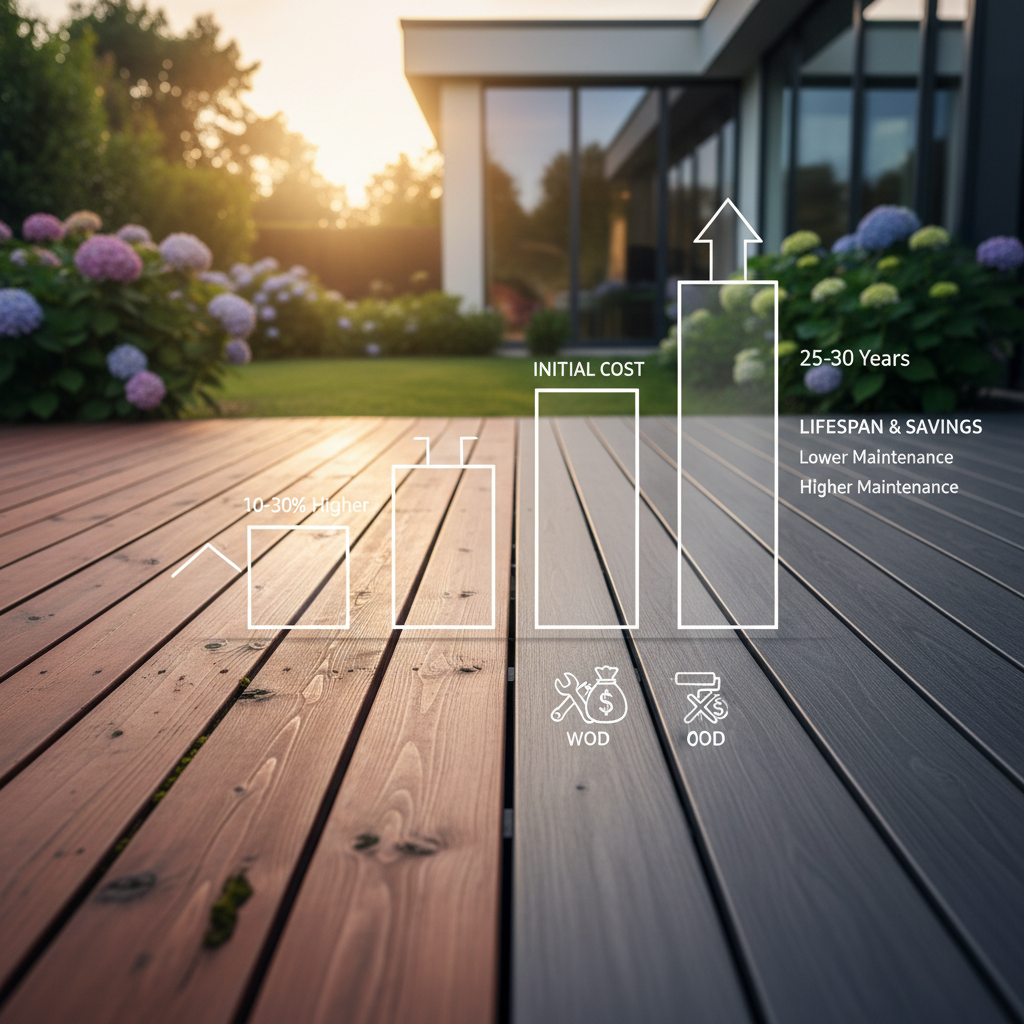
When considering the cost-effectiveness of WPC (Wood Plastic Composite) decking compared to traditional materials like wood or composite wood, it is essential to analyze both initial investments and long-term benefits.
Reports indicate that while WPC decking can have an upfront cost that is approximately 10-30% higher than traditional wood decking, its longevity and maintenance savings often outweigh these initial expenses.
For instance, WPC decking generally boasts a lifespan of 25 to 30 years, while traditional wood typically lasts only 10 to 15 years, according to a study from the American Wood Council.
Maintenance costs also play a significant role in the cost-effectiveness equation.
Traditional wood requires regular staining and sealing, which can add thousands of dollars over time.
In contrast, WPC decks require minimal upkeep—usually just an occasional wash with soap and water.
The Freedonia Group estimates that WPC materials require up to 50% less maintenance over their lifespan compared to wood decks.
Thus, when factoring in both longevity and reduced maintenance expenses, WPC decking becomes a more economically viable option in the long run for homeowners and property developers looking for sustainable, durable outdoor solutions.
How to Install WPC Decking Tiles for Maximum Longevity and Appeal
Installing WPC (Wood Plastic Composite) decking tiles effectively is crucial for maximizing their longevity and aesthetic appeal. To begin, ensure that the foundation where the tiles will be laid is level and stable. This involves clearing any debris, filling in low spots, and, if necessary, laying down a weed barrier to prevent unwanted growth that can damage the tiles over time.
Properly prepping the area not only extends the life of the decking but also enhances its visual impact.
Once the foundation is ready, the installation process can commence. Begin by placing the WPC tiles in a staggered pattern, which not only adds visual interest but also helps distribute weight evenly. Secure each tile according to the manufacturer’s guidelines to prevent warping or shifting.
Regular maintenance, such as cleaning and resealing, will help keep the tiles looking fresh and vibrant for years to come. By following these steps, homeowners can enjoy a beautiful, robust deck that serves as an inviting outdoor space while reaping the benefits of WPC materials.
How to Maintain and Care for Your WPC Decking Tiles Over Time
Maintaining WPC (Wood-Plastic Composite) decking tiles is essential to ensure their longevity and performance. Regular cleaning is the first step in care. Using a mild detergent mixed with water, scrub the tiles with a soft-bristle brush to remove dirt, debris, and stains. Avoid harsh chemicals and abrasive cleaning tools, as these can damage the surface. It's advisable to perform this cleaning process at least once a month, especially in areas with heavy foot traffic or exposure to the elements.
In addition to cleaning, it’s important to check for any loose tiles or signs of wear. Tighten any loose fasteners and replace damaged tiles promptly to prevent further deterioration. Consider applying a protective sealant specifically designed for WPC materials to enhance the tiles' resistance to weathering and UV damage. Lastly, during the winter months, clear away snow and ice promptly to avoid accumulation, which can lead to discoloration or structural issues. By following these simple maintenance tips, your WPC decking tiles can remain beautiful and functional for many years to come.

 Hot Selling