Shandong Xiangying New Materials Technology Co., Ltd.


Leave Your Message

What is Wpc Exterior and Why is it Popular for Outdoor Projects?

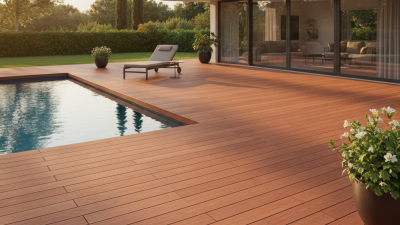
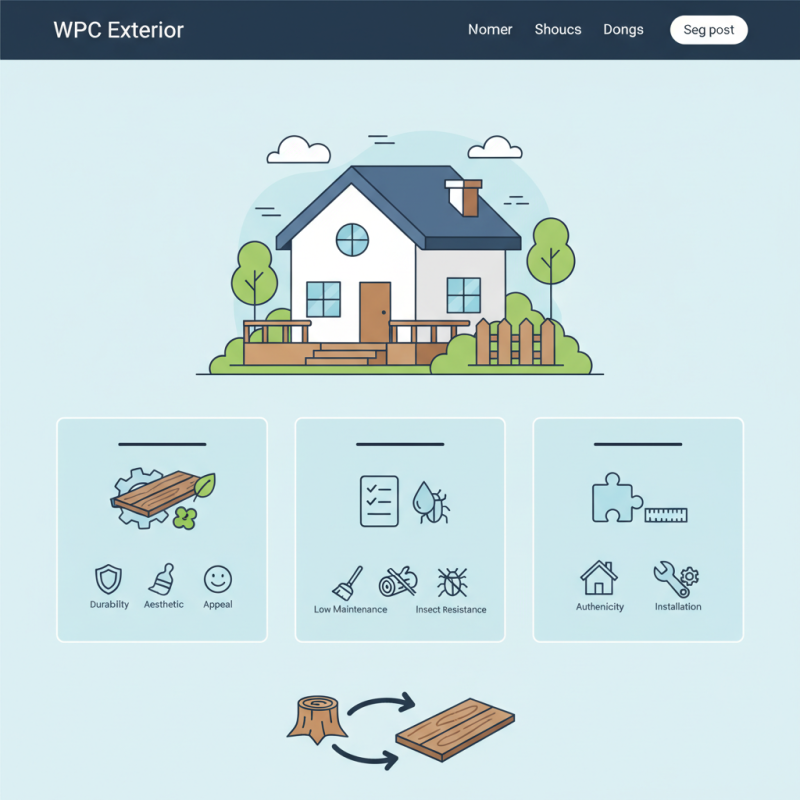
Wpc Exterior has gained significant traction in outdoor projects. As a composite of wood fibers and plastic, it offers durability alongside aesthetic appeal. Experts like John Smith, a leading figure in the Wpc industry, state, "Wpc Exterior is reshaping how we think about outdoor living spaces." This material is not just a trend; it's becoming a preferred choice for homeowners.

One major reason for its popularity is its low maintenance requirements. Unlike traditional wood, Wpc Exterior resists rot, decay, and insects. However, some may find it less authentic than natural materials, leading to mixed feelings. While it does mimic the look of wood, it sometimes lacks the unique character that natural variants possess.

Incorporating Wpc Exterior into landscaping can be visually striking. Many are drawn to its flexibility in design and color options. Yet, challenges remain. For instance, installation may require extra attention to prevent issues over time. As Wpc continues to evolve, these considerations highlight the balance between innovation and tradition in outdoor projects.
What is Wpc Exterior and Why is it Popular for Outdoor Projects?

What is WPC Exterior and Its Composition Explained

WPC, or Wood-Plastic Composite, is becoming increasingly popular in outdoor projects. This material combines wood fibers with plastic components to create a durable and versatile option for users. According to industry reports, the global WPC market is expected to reach $11 billion by 2026, driven by its growing applications in decking, fencing, and landscaping.

Its composition typically includes 60% wood fibers and 40% thermoplastic polymers. This blend results in a product that resists moisture and UV damage, which are common problems for traditional materials. Additionally, WPC is often praised for its lower maintenance requirements.

While it possesses many advantages, some drawbacks exist. For instance, it can be prone to warping under extreme weather conditions, and its initial cost may be higher than that of standard wood.

Moreover, the environmental impact of producing WPC is a topic of discussion. Although it utilizes recycled materials, the plastic component raises sustainability concerns. Some argue that relying on plastics diminishes the eco-friendly appeal of using wood. Such nuances are crucial for potential users to consider when choosing WPC for their projects.
Key Benefits of Using WPC for Outdoor Projects

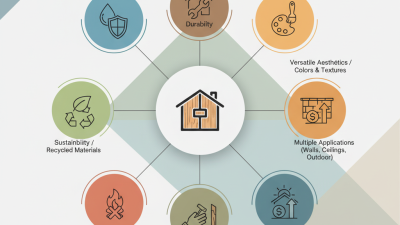
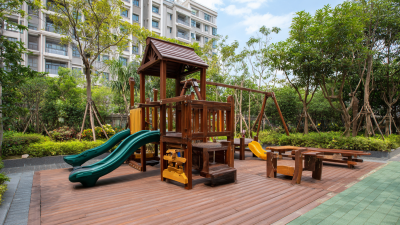
WPC, or Wood Plastic Composite, is gaining popularity in outdoor projects. It is made from recycled wood fibers and plastic, offering a sustainable alternative. Homeowners appreciate its durability and low maintenance. Unlike traditional wood, WPC resists moisture, decay, and pests. This makes it ideal for decks, fences, and outdoor furniture.

One notable benefit is its versatility. WPC can be molded into various shapes and colors. It mimics the look of natural wood but does not require regular staining or sealing. This feature saves time and money. However, some users note that it can fade over time. Choosing the right color is essential to minimize this issue.

Another advantage is its slip resistance. This is particularly important around pools or wet areas. Safety is a major concern for many families. However, not all WPC products offer the same level of grip. It’s crucial to check specific features before making a choice. Overall, WPC remains a popular choice for outdoor projects due to its unique benefits. Yet, it's important to weigh these advantages against potential drawbacks.

Common Applications of WPC Exterior in Landscaping

WPC, or wood-plastic composite, is gaining traction in outdoor projects. Many homeowners and landscapers are turning to WPC for its durability and low maintenance. According to a 2022 report by Freedonia Group, demand for WPC materials in landscaping has surged by over 15% annually. This growth highlights the material's appeal in creating sustainable outdoor spaces.

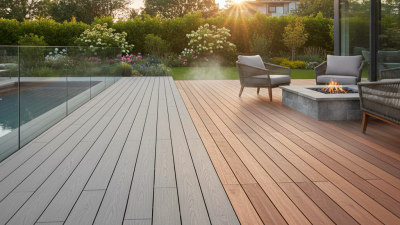
Common applications of WPC in landscaping include decking, fencing, and outdoor furniture. Decks made from WPC resist moisture and insect damage. They retain their aesthetic appeal without needing constant upkeep. Fencing constructed with WPC offers robust privacy and security. The longevity of these materials often leads to lower long-term costs, despite initial prices being higher than traditional wood.

However, some users report challenges. Colors can fade with prolonged sun exposure. Additionally, WPC may experience warping in extreme temperatures. Such issues reflect a need for better quality control in manufacturing. Despite these drawbacks, the versatility and functionality of WPC make it a popular choice for modern landscaping designs.

Popularity of WPC Exterior in Outdoor Projects

Comparing WPC to Traditional Materials for Outdoor Use

WPC, or Wood Plastic Composite, has gained attention for outdoor projects. It combines wood fibers with plastic, offering durability and aesthetics. This composite material resists moisture, insects, and decay. According to a report by Freedonia Group, WPC decking is expected to grow at a CAGR of 9% through 2025. This growth shows a clear shift from traditional materials like wood and concrete.

When comparing WPC to traditional materials, WPC has a lower maintenance requirement. Natural wood often needs sealing and staining. In contrast, WPC only requires occasional cleaning. A survey by IBISWorld notes that homeowners are leaning towards low-maintenance options. The rise in demand reflects changing consumer preferences. However, WPC may not provide the same natural feel as wood. Some people miss the texture and aroma of real wood.

Pricing is another factor to consider. WPC can be more expensive upfront compared to treated lumber. However, its longevity can justify the initial cost. A Durable Solutions report emphasized that WPC lasts up to 25 years, while traditional wood may only last a decade. This aspect brings value over time, yet the initial investment could deter some buyers. Each choice has trade-offs, and personal preferences will guide decisions.

Maintenance Tips for Maximizing the Lifespan of WPC Products

What is Wpc Exterior and Why is it Popular for Outdoor Projects?

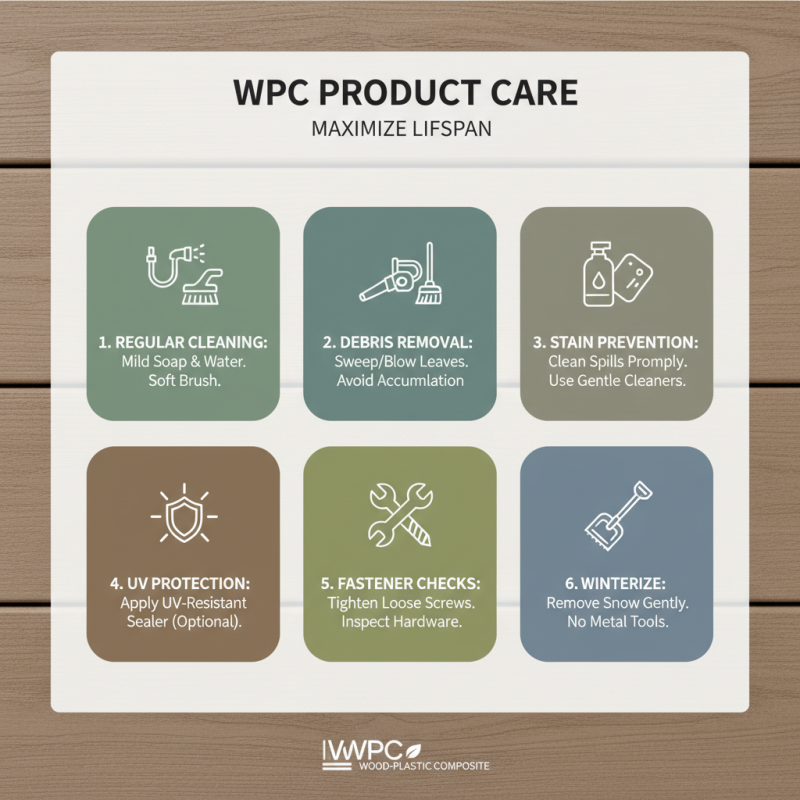
WPC, or Wood-Plastic Composite, is gaining traction in outdoor projects. Its aesthetic appeal and durability are major draws. To get the most out of WPC products, proper maintenance is essential. Here are some practical maintenance tips to extend their lifespan.

Regularly clean WPC surfaces with a soft brush or cloth. Dirt and debris can build up over time. A simple mixture of water and mild soap can remove stubborn stains. Rinse thoroughly afterward. Avoid harsh chemicals that could damage the material.

Inspect your WPC installations frequently. Look for signs of wear or any loose boards. Promptly replace damaged sections to maintain safety and aesthetics. While WPC is resistant to many elements, it’s not indestructible. A little attention can go a long way.

Consider using protective sealants to enhance durability. These can guard against UV rays and moisture. Reapply these sealants periodically. Remember, even the best materials require some care to perform at their best. Each outdoor project deserves thoughtful maintenance to truly shine.