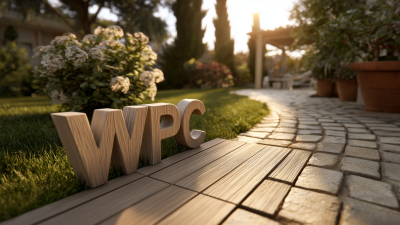
What is Wpc Exterior and How Does it Benefit Your Outdoor Space?
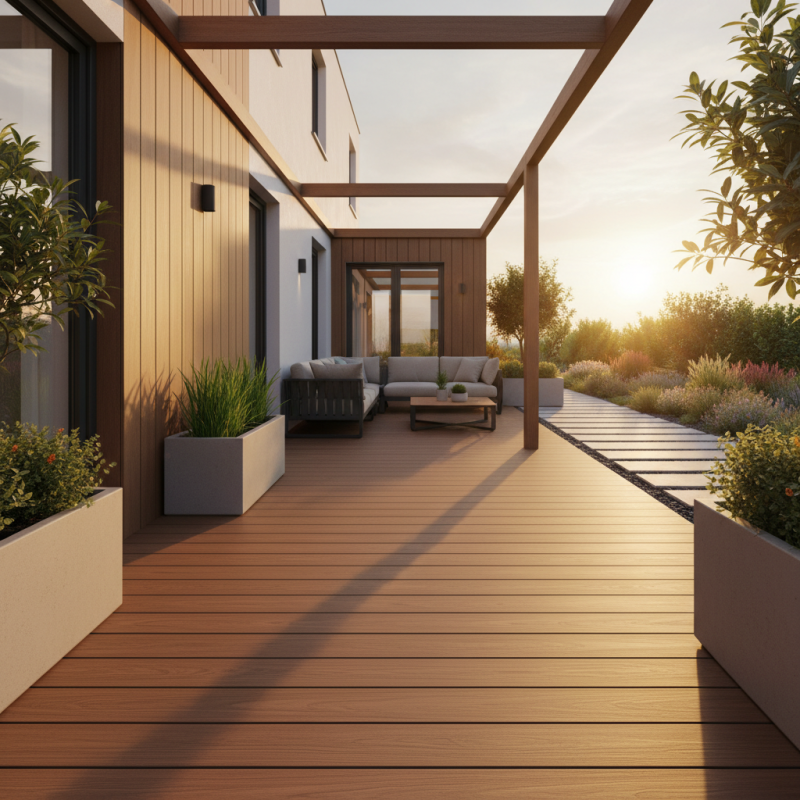
Wpc Exterior is revolutionizing outdoor living spaces. According to Mark Thompson, a leading expert in the field, “Wpc Exterior combines durability with beauty.” His insight sheds light on why many homeowners are choosing this material.
This composite product blends wood and plastic, creating an appealing alternative to traditional materials. It is resistant to moisture, pests, and UV rays, making it ideal for various climates. Homeowners appreciate its low maintenance needs. Yet, some still question its long-term performance and sustainability.
While Wpc Exterior offers numerous benefits, challenges exist. For example, picking the right color and texture can be overwhelming. Additionally, not all products are created equal. Some might not stand up to harsh weather as promised. It’s essential to research and consult experts to make the best choices for your outdoor environment.
What is WPC Exterior Material?
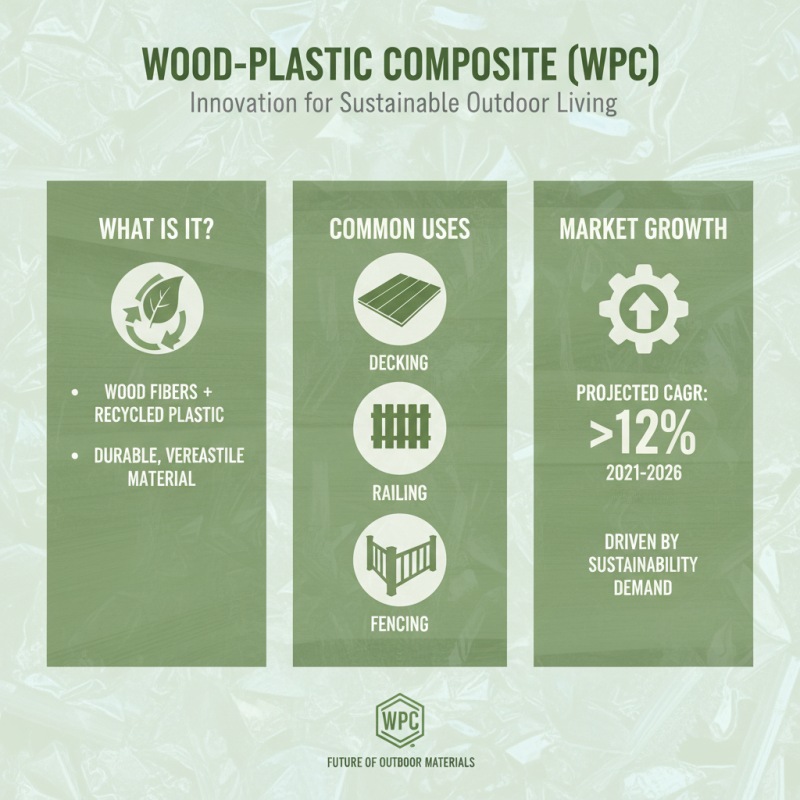
WPC stands for Wood-Plastic Composite. This innovative material combines wood fibers with recycled plastic. The result is a durable, versatile product suitable for various outdoor applications. WPC is often used for decking, railing, and fencing. According to a report by Research and Markets, the WPC market is projected to grow at a CAGR of over 12% from 2021 to 2026. This surge indicates rising consumer demand for sustainable materials.
One major benefit of WPC exterior material is its resistance to moisture and insects. Traditional wooden structures can warp or rot over time. In contrast, WPC does not absorb water, making it ideal for humid climates. A study published in the Journal of Building and Construction found that WPC can last two to three times longer than treated wood in similar conditions. However, some users note that fading can occur after prolonged exposure to sunlight.
Another consideration for WPC is its environmental impact. While it uses recycled materials, the manufacturing process requires energy and can emit pollutants. A lifecycle analysis by the National Renewable Energy Laboratory shows that, while WPC is more sustainable than virgin wood, improvements in manufacturing practices are necessary. Balancing aesthetics and sustainability remains a challenge for many designers and builders in today’s market.
Advantages of WPC for Outdoor Spaces
WPC, or Wood-Plastic Composite, is gaining popularity for outdoor spaces. This material combines wood fibers and plastic, creating a strong and durable product. One significant advantage of WPC is its resistance to weather. Unlike traditional wood, it won’t warp or rot when exposed to moisture. This makes it ideal for decking, fences, and outdoor furniture.
Another benefit of WPC is its low maintenance. You don’t have to worry about regular sealing or staining. A simple wash with soap and water can keep it looking good. Additionally, WPC is available in various colors and textures. This allows homeowners to customize their space to reflect their style. However, some might find the initial cost is higher compared to wood.
Despite its advantages, not all properties will benefit equally from WPC. It's essential to consider local weather conditions before installation. In areas with extreme heat, some WPC products may fade over time. Understanding these nuances can help in making informed choices. WPC is a great option, yet careful consideration is crucial for any outdoor project.
Comparison of WPC with Traditional Materials
WPC, or Wood Plastic Composite, is increasingly chosen for outdoor projects. Compared to traditional materials like wood or metal, WPC has distinct advantages. It’s constructed from a mix of plastic and wood fibers, making it durable and resistant to moisture. Reports indicate that WPC can last up to 25 years with minimal maintenance. In contrast, untreated wood typically requires annual sealing and can warp or rot.
Another important aspect is the environmental impact. WPC utilizes recycled materials, reducing waste. According to the American Institute of Architects, 65% of architects prefer sustainable materials for outdoor projects. Traditional materials often involve significant deforestation, raising sustainability concerns. However, WPC, while eco-friendly, also has drawbacks. Some users report discoloration over time, which can detract from its aesthetic appeal.
The cost comparison is noteworthy too. Initial investments for WPC may be higher than wood. However, its longevity and lower maintenance costs make it economically sound in the long run. Many homeowners find the trade-offs worth considering. Balancing aesthetics, sustainability, and cost can be tricky. Ultimately, it's about choosing the right materials for specific needs.
Applications of WPC in Landscaping and Design
WPC, or wood-plastic composite, is an innovative material ideal for outdoor spaces. Its unique blend of wood fibers and recycled plastic makes it aesthetically pleasing and durable. Many homeowners have started to appreciate its versatility in landscaping and design.
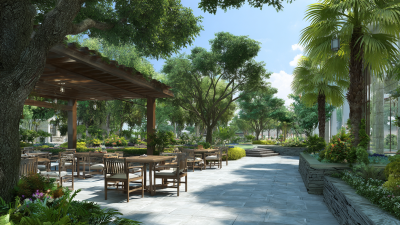
In gardens, WPC can be used for decking, benches, and planters. It seamlessly blends with nature while requiring less maintenance than traditional wood. Some people worry about color fading over time, but careful selection can mitigate this issue. In pathways, WPC offers a non-slip surface, perfect for rainy days. This is essential for safety in outdoor environments.
Creative designers are also using WPC for fencing and railing. Its modern look complements various styles. However, some find it lacks warmth compared to natural wood. This can lead to a need for additional elements in design. Incorporating plants or other textures can bridge this gap. When used thoughtfully, WPC can enhance outdoor aesthetics and functionality. Its applications are vast, though some challenges need consideration.
What is WPC Exterior and How Does it Benefit Your Outdoor Space? - Applications of WPC in Landscaping and Design
| Application |
Benefits |
Durability |
Maintenance |
| Decking |
Weather resistant, enhances outdoor aesthetics |
Long-lasting, resistant to rot and insects |
Low upkeep, easy cleaning |
| Fencing |
Enhances privacy, reduces noise |
Resistant to fading and warping |
Limited maintenance required |
| Outdoor Furniture |
Stylish, comfortable for outdoor spaces |
High resistance to the elements |
Minimal cleaning needed |
| Planters |
Enhances landscape design, eco-friendly |
Durable against moisture and UV rays |
Easy to clean, less frequent replacement |
Maintenance Tips for WPC Exterior Products
WPC (Wood Plastic Composite) exterior products offer a unique blend of aesthetics and durability. To keep these materials looking their best, regular maintenance is essential. Industry studies show that WPC materials can last over 25 years with proper care, but neglect can lead to premature aging and wear.
Cleaning is a fundamental aspect of WPC maintenance. Use a soft-bristle brush and mild soap to remove dirt. Experts recommend avoiding harsh chemicals, as they can damage the surface. Surprisingly, many homeowners overlook this simple step, risking the lifespan of their outdoor investments. Additionally, periodic inspections are crucial. Look for signs of fading or mold growth, as this can indicate underlying issues.
Sealing WPC surfaces can enhance their longevity. Experts suggest resealing every 1-3 years, depending on weather exposure. This process can be labor-intensive but is vital for preserving the material. Many people hesitate to commit time for this task. They may not realize that neglecting it could lead to structural problems. Proper maintenance not only enhances appearance but also ensures safety in outdoor spaces.

 Hot Selling