What is Wpc Outdoor and How Does it Compare to Traditional Decking
Outdoor decking options have evolved significantly in recent years. Wpc Outdoor is one of the most popular choices today. It stands for Wood Plastic Composite, a material made from recycled wood and plastic. This blend offers a range of benefits compared to traditional wood decking.
John Smith, a Wpc Outdoor industry expert, once said, “Wpc Outdoor brings together durability and aesthetics.” This composite material resists fading and warping, making it ideal for outdoor spaces. However, some may find it lacks the natural feel of wood. While it provides low maintenance benefits, it's essential to consider capillary action that could lead to moisture issues. Such concerns are vital to address before making a decision.
Choosing the right decking involves weighing various factors. Wpc Outdoor represents a modern solution. Yet, it may not fulfill everyone's desire for authenticity. Thus, potential buyers should carefully evaluate their needs and preferences. Making informed choices enhances their outdoor experience.
What is WPC Outdoor Decking?
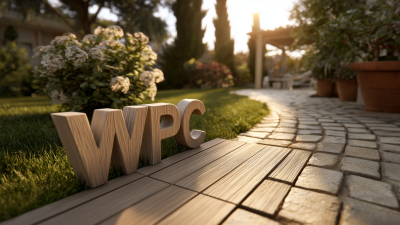
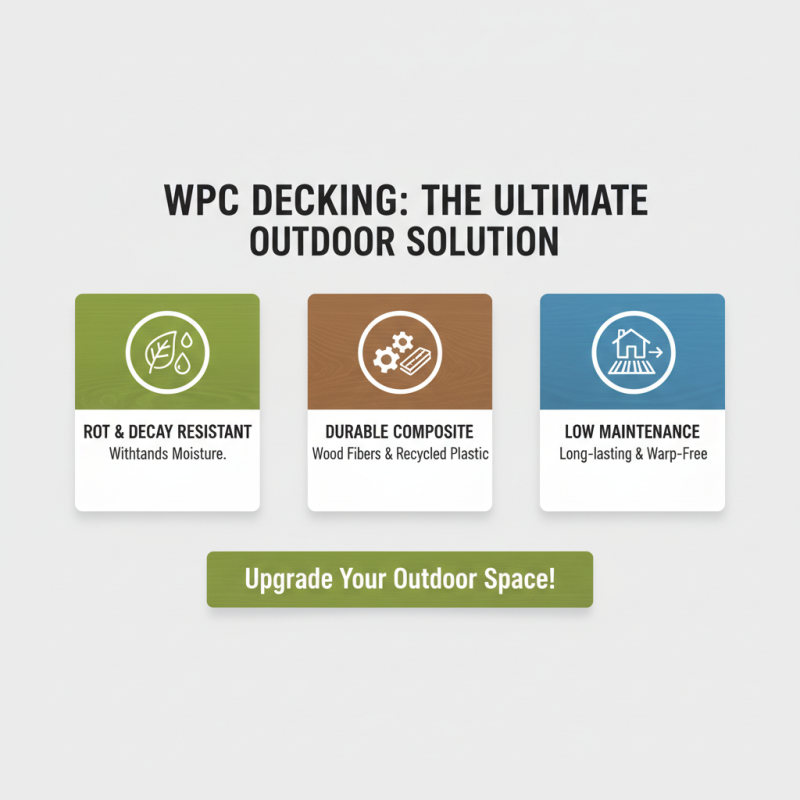
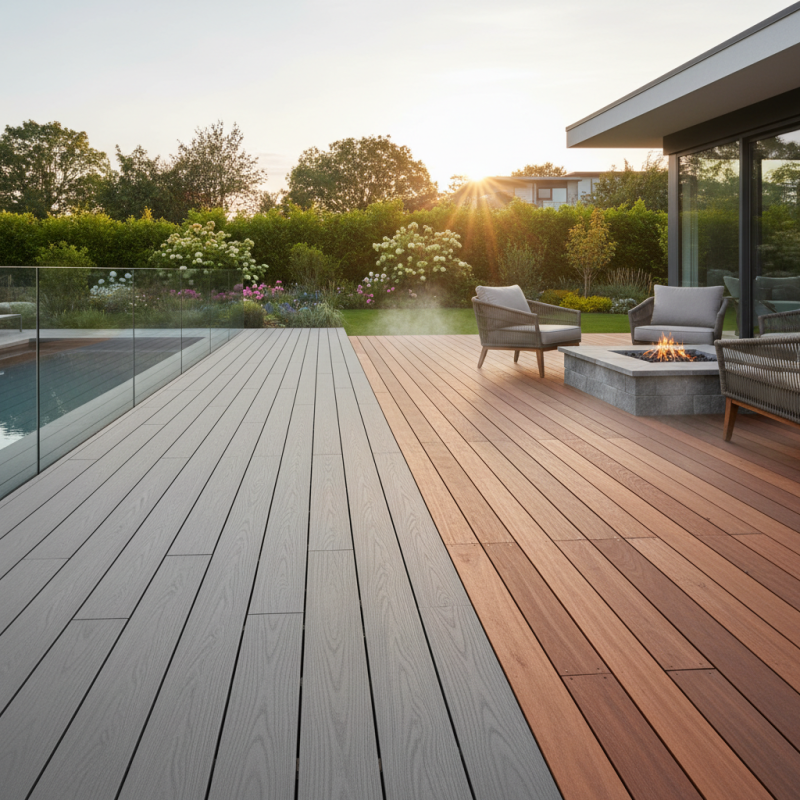
WPC outdoor decking, short for wood-plastic composite, is a popular choice for many homeowners. It combines wood fibers with recycled plastic, creating a durable product. This unique blend offers resistance to moisture, decay, and insects. According to industry data, WPC decking can last up to 25 years with proper maintenance.
The texture of WPC decking mimics that of real wood, providing an aesthetically pleasing alternative. A study found that WPC options can reduce maintenance costs by up to 50% compared to traditional wood. However, not all WPC materials are created equal. Some products may fade in the sun or become slippery when wet.
In terms of environmental impact, WPC products utilize recycled materials. This can reduce landfill waste, contributing to sustainability efforts. Yet, the production process still requires energy and resources. It’s essential to consider these factors when choosing decking options. Homeowners should inspect materials carefully to ensure quality over time. Balancing aesthetics, durability, and eco-friendliness is crucial in making informed choices.
Comparison of WPC Outdoor Decking and Traditional Wood Decking
Key Components and Materials of WPC Decking
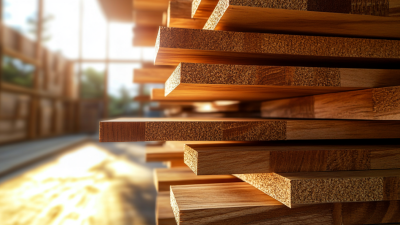
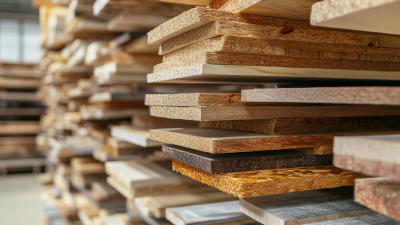
WPC outdoor decking combines wood fibers and plastic. It stands out for its durability and resistance to moisture. Traditional decking often succumbs to the elements faster. WPC provides a solution that lasts longer and requires less maintenance.
Key components of WPC decking include wood plastic composite material. The wood fibers add strength, while the plastic offers flexibility. This blend can resist warping, rotting, and fading. Each element serves a purpose in enhancing longevity. Often, the manufacturing process aims for environmental sustainability. Some may feel this is only partially effective.
Tips: Always check the ratio of wood to plastic. A higher wood content may provide a more natural look. Also, consider colors that blend with your environment. Darker shades may absorb heat and lead to fading over time. Reflect on personal preferences versus practical needs. How often will you use the space? Test samples before making a decision.
Advantages of WPC Decking Over Traditional Wood
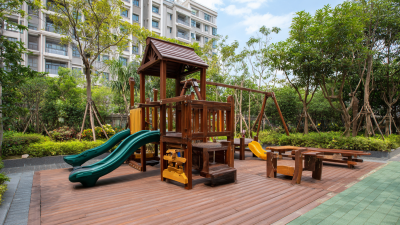
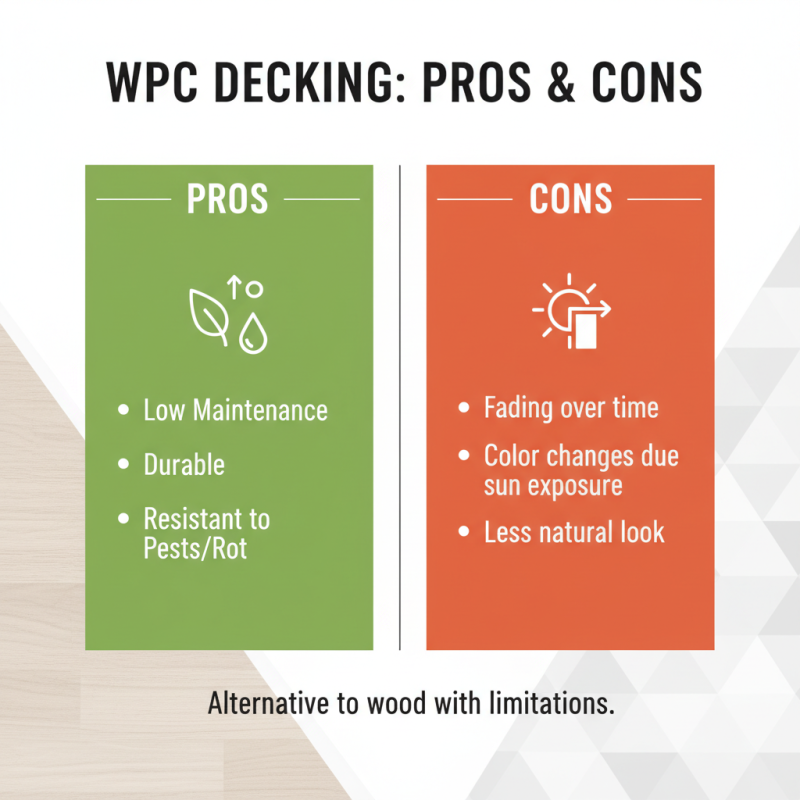
WPC (Wood-Plastic Composite) decking has become a popular choice for outdoor spaces. This material combines wood fibers and recycled plastics, creating a durable product. One major advantage of WPC decking is its resistance to rot and decay. Unlike traditional wood, it can withstand moisture without warping or splitting.
Additionally, WPC decking requires minimal maintenance. Homeowners often find it easier to clean than wood. A simple wash with soap and water can suffice. This can save time and money in the long run. However, some people may miss the natural look of solid wood. The synthetic material might feel less authentic to some.
Another benefit is the variety of colors and textures available. WPC can mimic the look of wood, providing aesthetic appeal without the drawbacks. While some might argue it's not as customizable as real wood, the stability it offers is hard to overlook. WPC decking truly caters to those who want a stylish and practical outdoor solution. However, it might not meet the needs of traditionalists who prefer the charm of hardwood.
Disadvantages and Limitations of WPC Decking
WPC decking, or wood-plastic composite decking, has gained popularity as an alternative to traditional wood. However, it does come with some disadvantages. One notable limitation is its susceptibility to fading. Over time, exposure to sunlight can cause color changes. This can be particularly unappealing for homeowners who desire a consistent look.
Another issue is moisture absorption. While WPC is designed to resist water, it can sometimes retain moisture. This can lead to mold growth, especially in humid environments. Homeowners might find themselves dealing with additional cleaning and maintenance. WPC’s texture can also be a concern; some users report it's not as slip-resistant when wet compared to traditional decking materials, raising safety issues.
Finally, WPC decking tends to have a higher initial cost. Even though it requires less maintenance, the upfront investment can deter some buyers. This price point can spark hesitation for those weighing options carefully. Deciding on WPC means considering all these factors.
Cost Comparison: WPC vs. Traditional Decking Options
When considering outdoor decking options, it's crucial to evaluate costs between WPC (Wood-Plastic Composite) and traditional materials. Recent reports indicate WPC averages about $3 to $5 per square foot, while traditional wood ranges from $2 to $7 per square foot. This disparity isn't just about initial prices; maintenance costs also play a role. WPC requires less upkeep, saving homeowners money in the long run.
However, it's essential to note that the longevity of WPC can be influenced by installation quality and environmental factors. Reports show that WPC can last 25 years or more if properly maintained. Traditional wood, while aesthetic, often succumbs to rotting and insect damage, potentially decreasing its lifespan to 10-15 years.
**Tip:** Always consult professionals for installation to maximize the lifespan of your decking. Choosing the right material is more than just upfront costs; consider long-term value. Make sure to account for future maintenance while budgeting your project.
What is WPC Outdoor and How Does it Compare to Traditional Decking - Cost Comparison: WPC vs. Traditional Decking Options
| Category |
WPC Outdoor |
Traditional Decking |
| Material Composition |
Wood fiber and recycled plastic |
Natural wood |
| Durability |
Highly resistant to moisture and insects |
Susceptible to rot and insect damage |
| Maintenance |
Low maintenance, occasional cleaning required |
High maintenance, regular sealing and staining needed |
| Cost per Square Foot |
$7 - $10 |
$5 - $15 |
| Lifespan |
25-30 years |
10-15 years |
| Environmental Impact |
Made from recycled materials |
Deforestation concerns with sourcing |

 Hot Selling