Wpc Panel Buying Guide Tips for Global Purchasers
WPC panels have gained immense popularity in various industries, especially in construction and interior design. According to MarketsandMarkets, the global WPC market is expected to reach USD 10.4 billion by 2024, growing at a CAGR of 11.6% from 2019. This growth highlights the increasing demand for sustainable and versatile building materials.
Purchasing WPC panels requires careful consideration. The choices can be overwhelming, especially with varying quality and applications available. Research shows that nearly 30% of purchasers regret their decisions due to a lack of proper guidance. Buyers should evaluate not only cost but also the product's durability and environmental impact.
In an industry where misinformation can easily circulate, relying on trusted sources is crucial. Engaging with supplier reviews and industry reports can mitigate the risk of subpar purchases. Remember, the right WPC panel can enhance aesthetics while offering long-lasting performance. However, making informed decisions can be tricky. Reflect on your specific needs before diving into the buying process.

Understanding WPC Panels: Definition and Composition
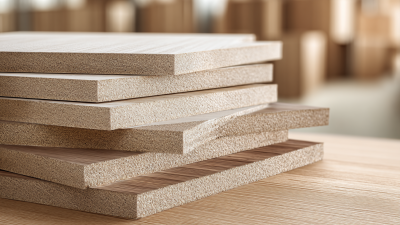
WPC panels, or Wood Plastic Composites, are innovative building materials composed of wood fibers, plastic granules, and additives. This combination offers several advantages over traditional materials. According to industry reports, the global WPC market is expected to reach $6 billion by 2027, growing at a compound annual growth rate (CAGR) of 10.6%. This growth highlights the increasing preference for sustainable and low-maintenance materials in construction and design.
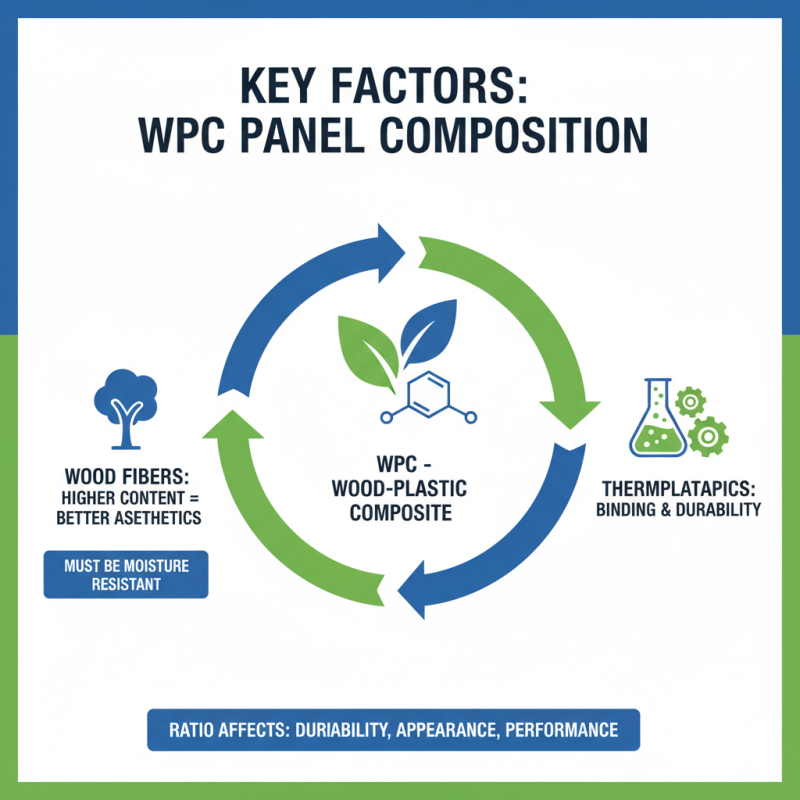
The composition of WPC panels varies. Typically, they contain 60% wood flour and 40% thermoplastics. This balance enhances durability and resistance to moisture, pests, and decay. Yet, buyers should be aware that not all WPC products are created equal. Variability in manufacturing processes and material sources can lead to differences in quality and performance. It’s crucial to vet suppliers to ensure consistent standards.
While WPC panels offer numerous benefits, there are limitations to consider. Their lifespan can be shorter than that of solid wood or other high-end materials under certain conditions. Proper maintenance is vital to maximize their longevity. Users should also reflect on their specific needs and environmental conditions when choosing WPC panels, as these factors can influence performance and satisfaction.
WPC Panel Composition Analysis
Key Factors to Consider When Buying WPC Panels
When selecting WPC panels, several key factors emerge that can greatly impact your decision. One essential aspect is the composition of the panel. WPC stands for wood-plastic composite, which combines wood fibers with thermoplastics. Understanding the ratio of these materials is crucial, as it influences durability, appearance, and overall performance. Look for panels with a higher wood content for better aesthetics but ensure they are also treated for moisture resistance.
Another critical consideration is the panel's finish. A high-quality finish not only enhances visual appeal but also affects maintenance. Smooth finishes may be easier to clean but may show scratches more readily. Textured surfaces can mask wear but may trap dirt. Thoughtful reflection on your specific application will guide your choice.
Additionally, review the manufacturer's specifications and warranty options. Many buyers overlook these details, which can lead to issues later. Ensure that the warranty covers common wear and environmental factors. Research customer feedback to assess real-world performance. Making informed decisions based on these components can lead to a successful purchase. Always question your preferences and needs.
Evaluating Quality: Specifications and Standards for WPC Panels
When purchasing WPC panels, quality is paramount. Start by examining the specifications. Look for details like density, thickness, and the composition of wood and plastic. High-quality panels typically contain a higher percentage of wood, which enhances strength and aesthetics. Check the surface texture as well. A smooth finish often indicates superior manufacturing processes.
Next, consider the standards established in the industry. Different regions may have specific certifications. Research these to ensure compliance. Panels that meet or exceed these standards tend to perform better over time. Be wary of significantly lower-priced options. They might not meet critical durability criteria. It's essential to balance cost with quality to avoid future issues.
While choosing, reflect on your project needs. A panel might look great but underperform. Think about the environment where it will be used. Outdoor installations require weather resistance. Indoor applications may prioritize aesthetics. It’s crucial to align your choice with intended use. This thoughtful approach can prevent unforeseen problems and lead to better satisfaction.
WPC Panel Buying Guide Tips for Global Purchasers
| Specification Dimensionality |
Standard Measures |
Quality Indicators |
Durability Assessment |
Eco-Friendliness Rating |
| Thickness: 5-30 mm |
Length: 2400 mm, Width: 1200 mm |
Moisture Resistance: > 60% |
Average Lifespan: 20 years |
Recycled Content: 80% |
| Fire Rating: Class B2 |
Tolerance: ± 1 mm |
UV Resistance: 5 years |
Weather Resistance: Excellent |
Biodegradable Components: Yes |
| Surface Finish: Smooth |
Density: 600 kg/m³ |
Scratch Resistance: High |
Impact Strength: 45 kJ/m² |
FSC Certification: Available |
Sourcing Strategies: Where to Buy WPC Panels Globally
When sourcing WPC panels globally, identifying reliable suppliers is crucial. Start by attending industry trade shows. These events allow you to meet manufacturers face to face. Engage in discussions about their products and capabilities. This firsthand experience can be invaluable.
Another effective strategy is to leverage online marketplaces. Look for platforms that specialize in building materials. Read reviews and verify seller credentials. It’s important to check customer feedback for reliability. Sometimes, what seems perfect on paper may not translate into quality.
Tips: Always request samples before committing to large orders. This helps ensure the product meets your specifications. Also, consider the shipping options and lead times. Not all suppliers can deliver promptly. Reflect on these factors before making a decision.
Cost Analysis: Budgeting for WPC Panel Purchases
When considering the purchase of WPC panels, budgeting is crucial. The average cost of WPC panels ranges from $2 to $8 per square foot. Factors influencing the price include material quality and production processes. A detailed analysis shows that higher-quality panels tend to last longer, which can offset initial costs over time.
Market reports indicate that the global WPC panel market is expected to grow by 8.2% annually through 2025. This growth opens opportunities but also presents challenges in budgeting. Energy efficiency and maintenance costs can impact the overall spending. For instance, a well-maintained WPC panel can save homeowners nearly 15% on annual maintenance versus traditional materials.
Cost variations can arise from regional factors. In some areas, transportation and labor costs increase the final purchase price. Buyers need to consider these variables in their budgets. A well-planned investment in WPC panels requires careful evaluation of both immediate costs and long-term benefits, including potential savings and environmental impacts.

 Hot Selling