 Hot Selling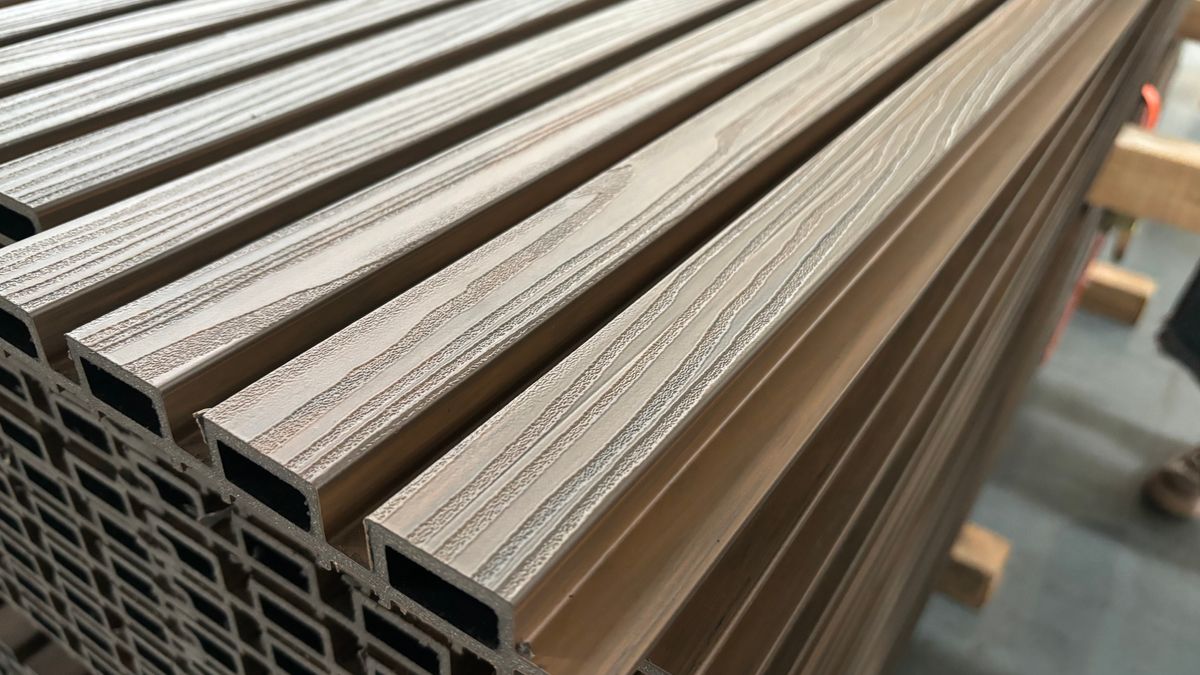
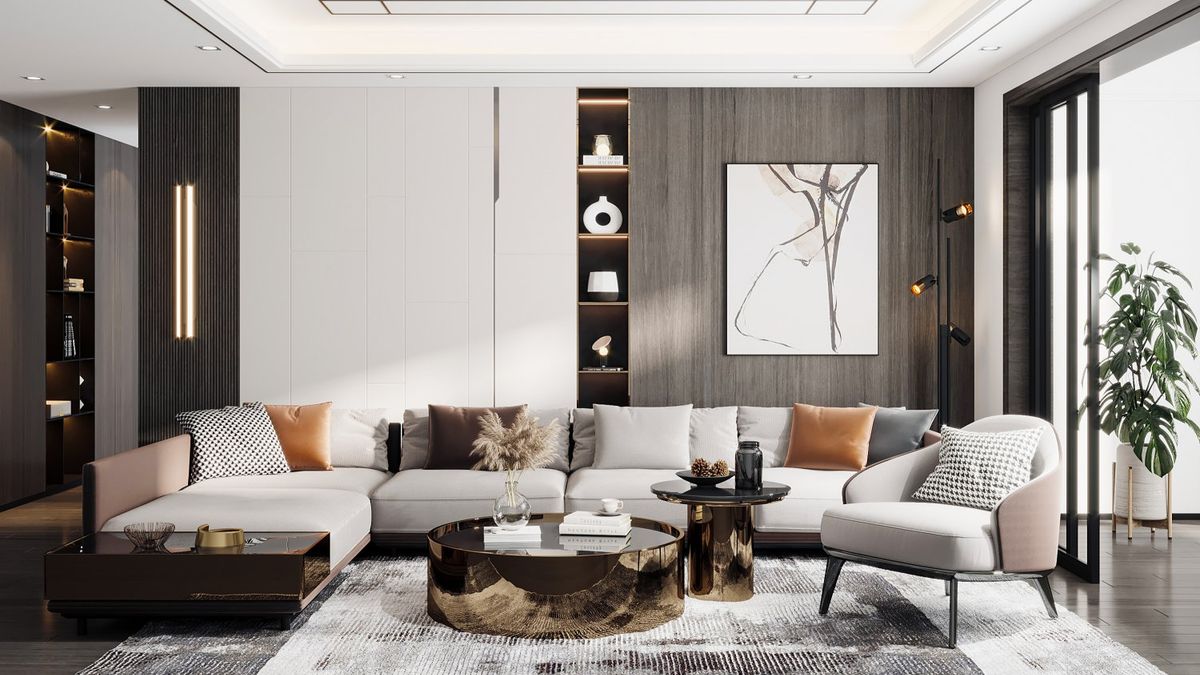
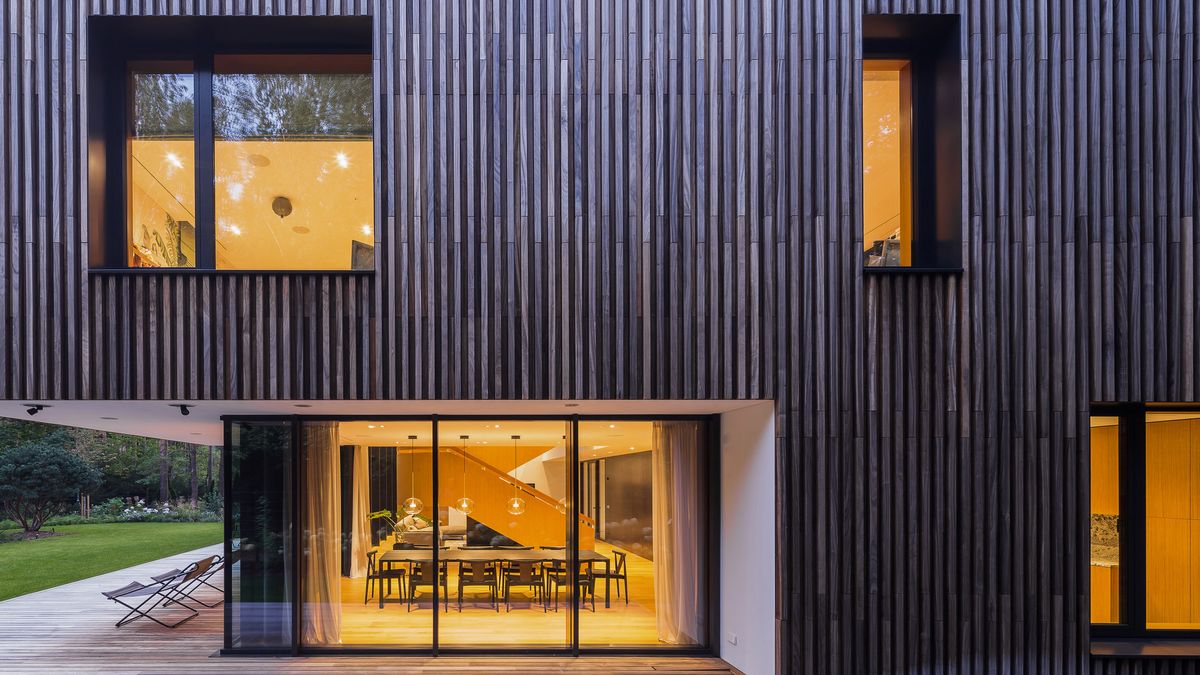
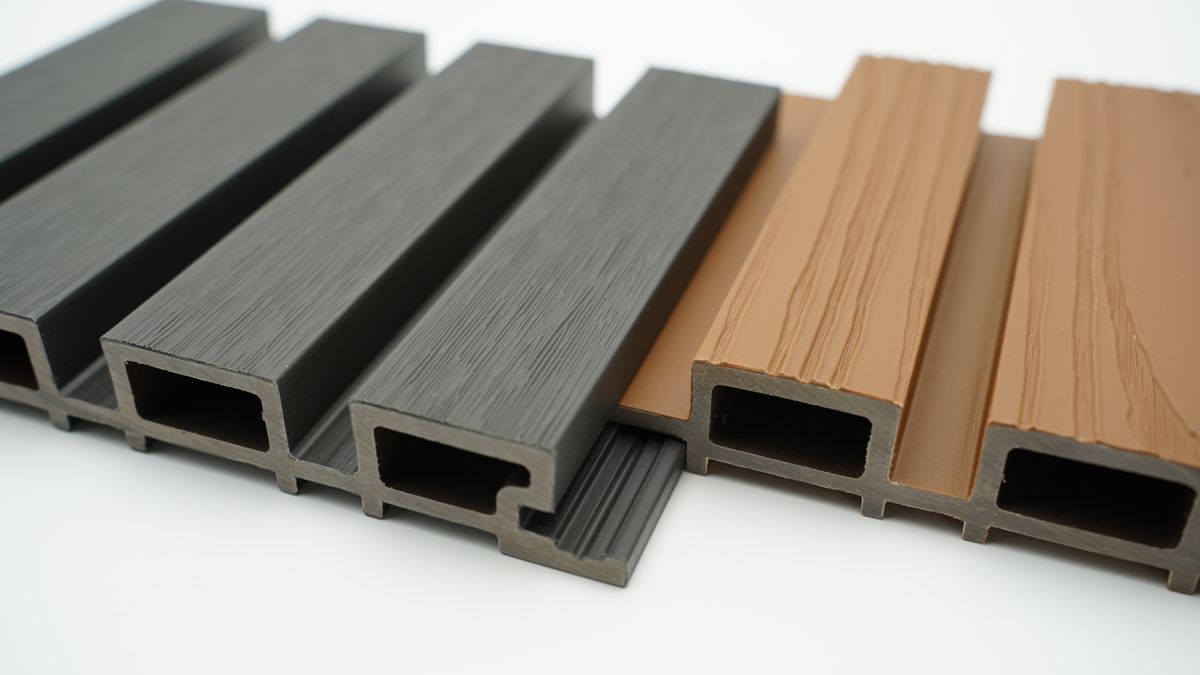
Elevating Outdoor Architecture: Practical Applications of WPC Exterior Wall Panels
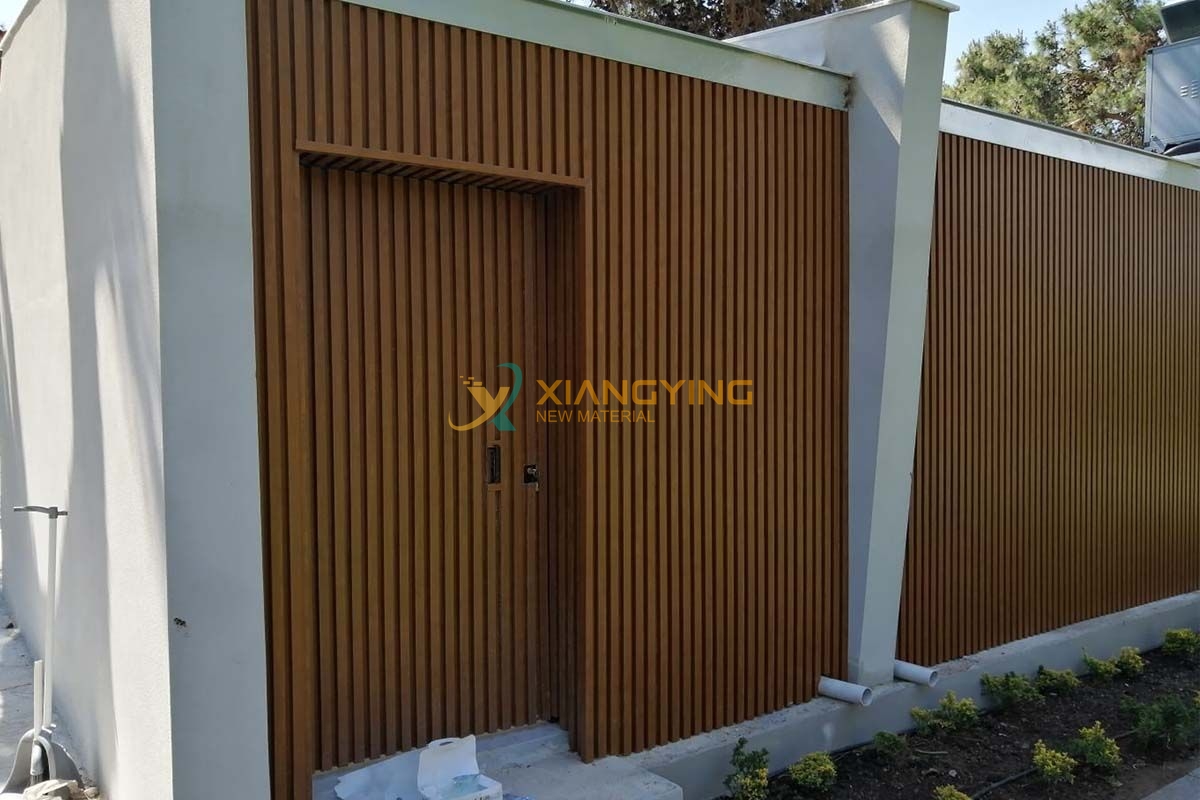
One prominent application is in residential housing. Homeowners increasingly prefer façade materials that mimic the warmth of wood but without the drawbacks of natural timber. Xiangying’s WPC exterior panels provide a realistic wood-like appearance with the durability to withstand heavy rain, freezing winters, and strong sunlight—all without warping or rotting. Because these panels are moisture-resistant, they remain stable and attractive in coastal or humid climates for extended periods.
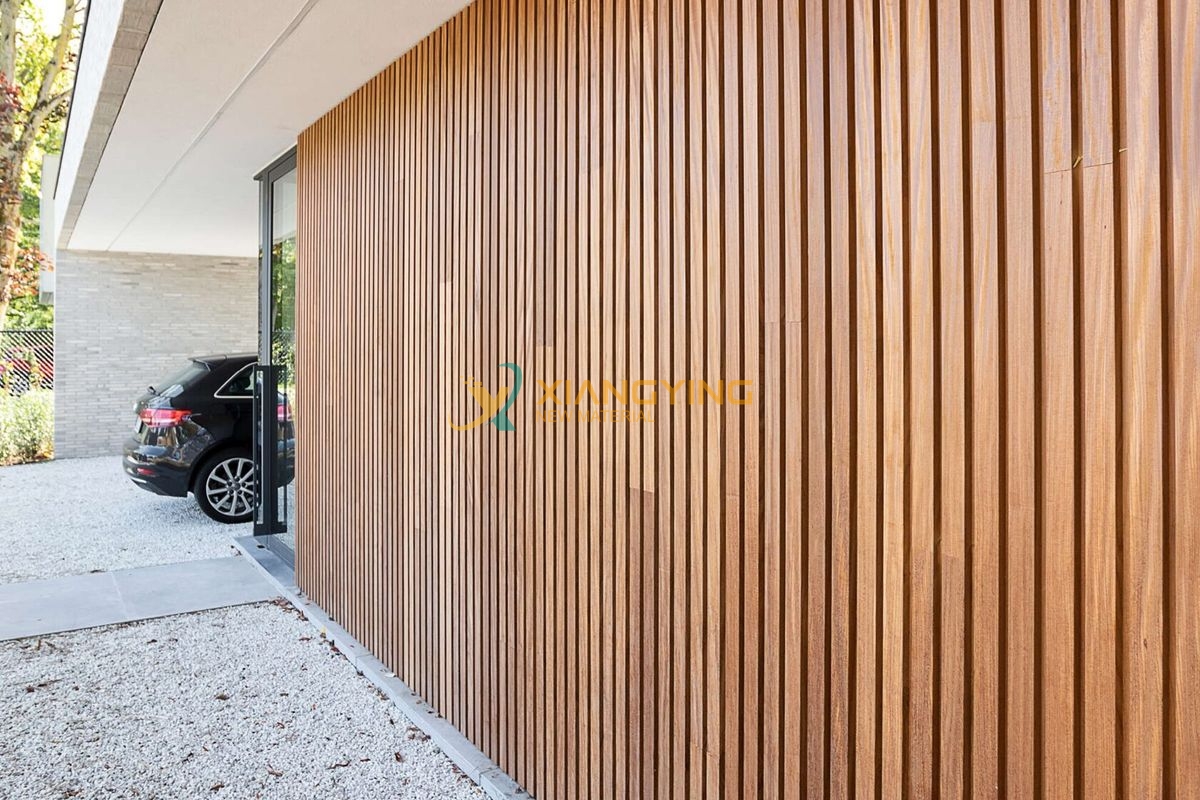
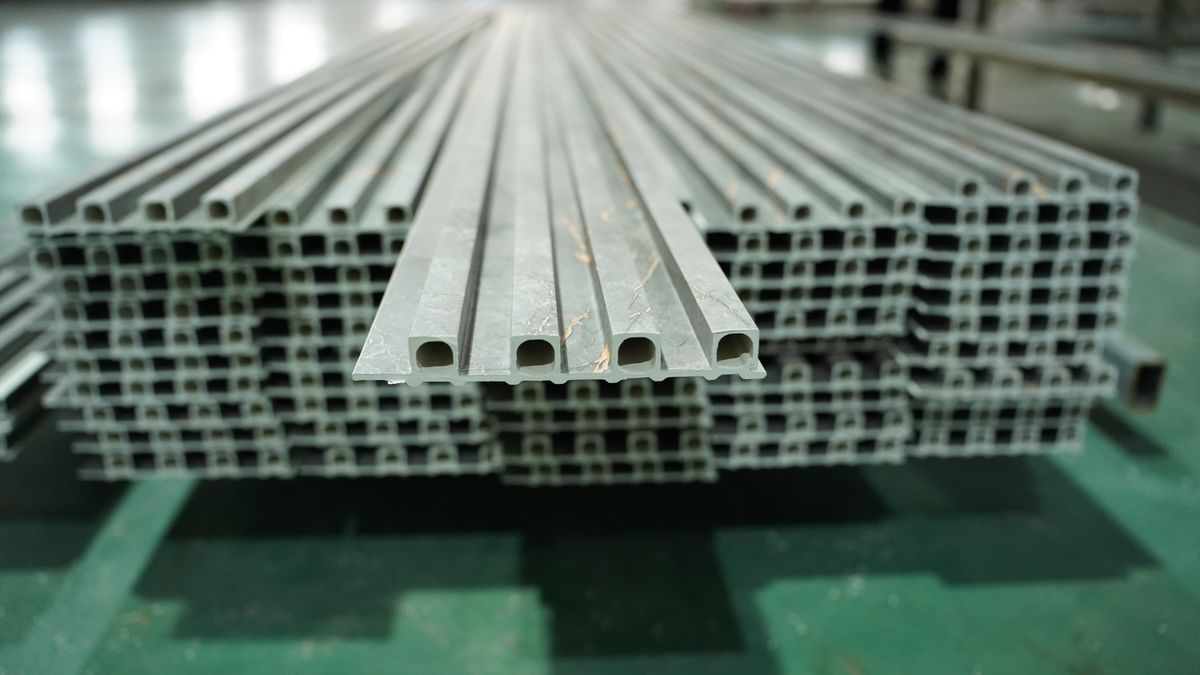
In commercial architecture—such as office buildings, retail centers, and community facilities—WPC wall cladding offers a smart solution for façades requiring both durability and low upkeep. Its resistance to pests, mold, and UV degradation ensures the exterior retains its quality even under heavy usage. Installation is made easier by interlocking panel systems or clip-on mounting, which can significantly reduce labor time and associated costs compared with traditional wood or cement-based siding.
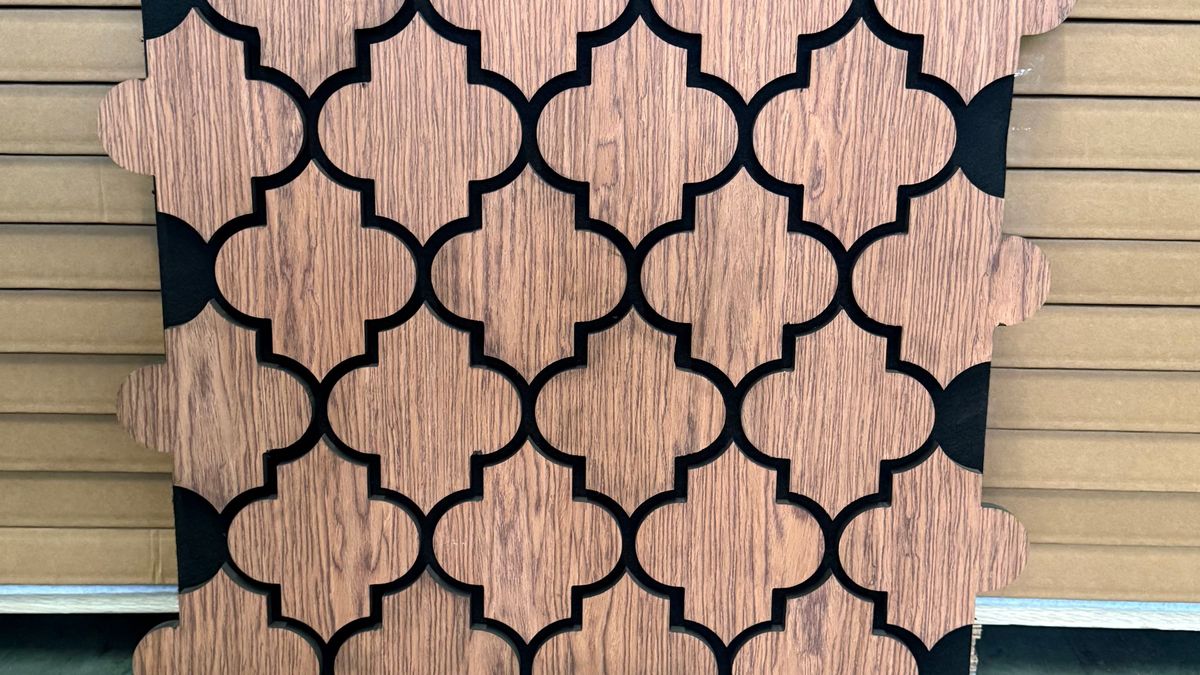
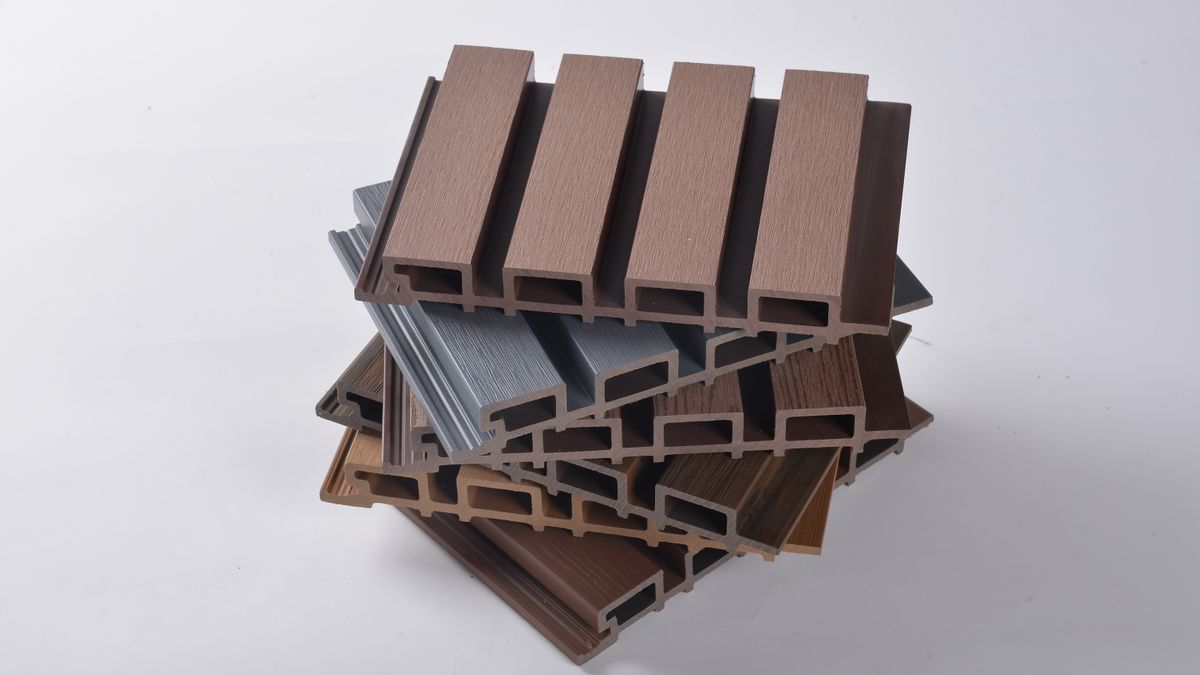
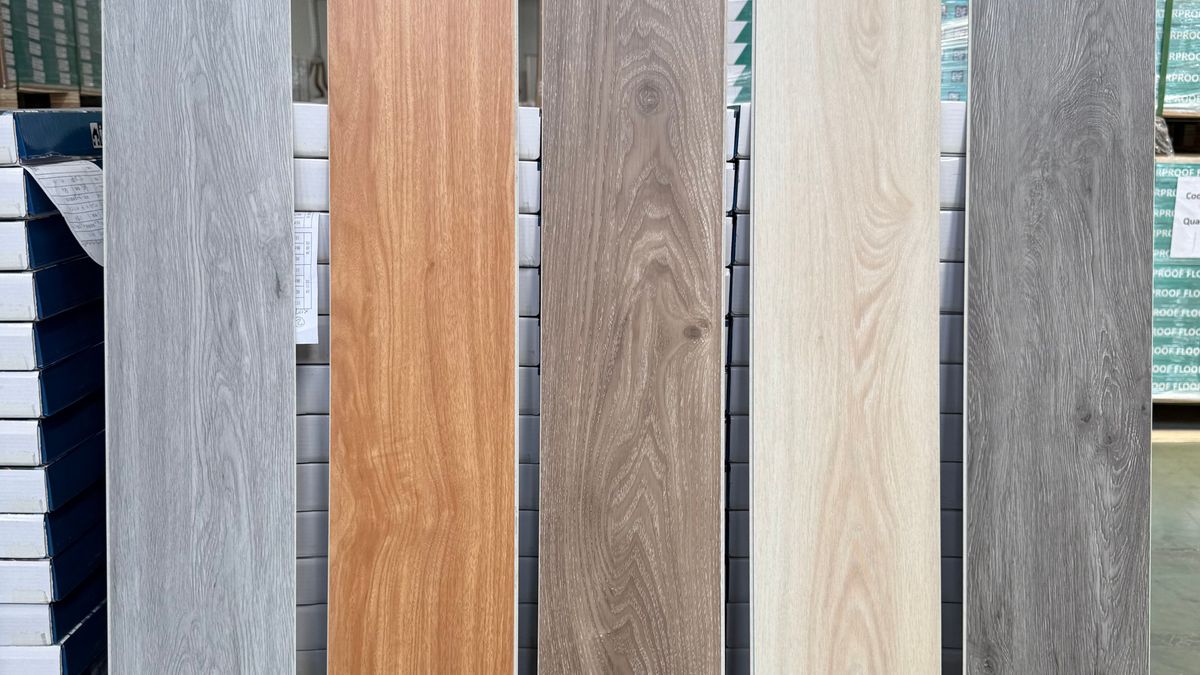
Landscape architects are also turning to WPC for garden walls, pergolas, and outdoor feature structures. The material's long-term stability and low maintenance make it ideal for exposed outdoor walls, while its design flexibility—available in colors like natural wood, grey, and even deep browns—allows for seamless integration into modern exterior design schemes.
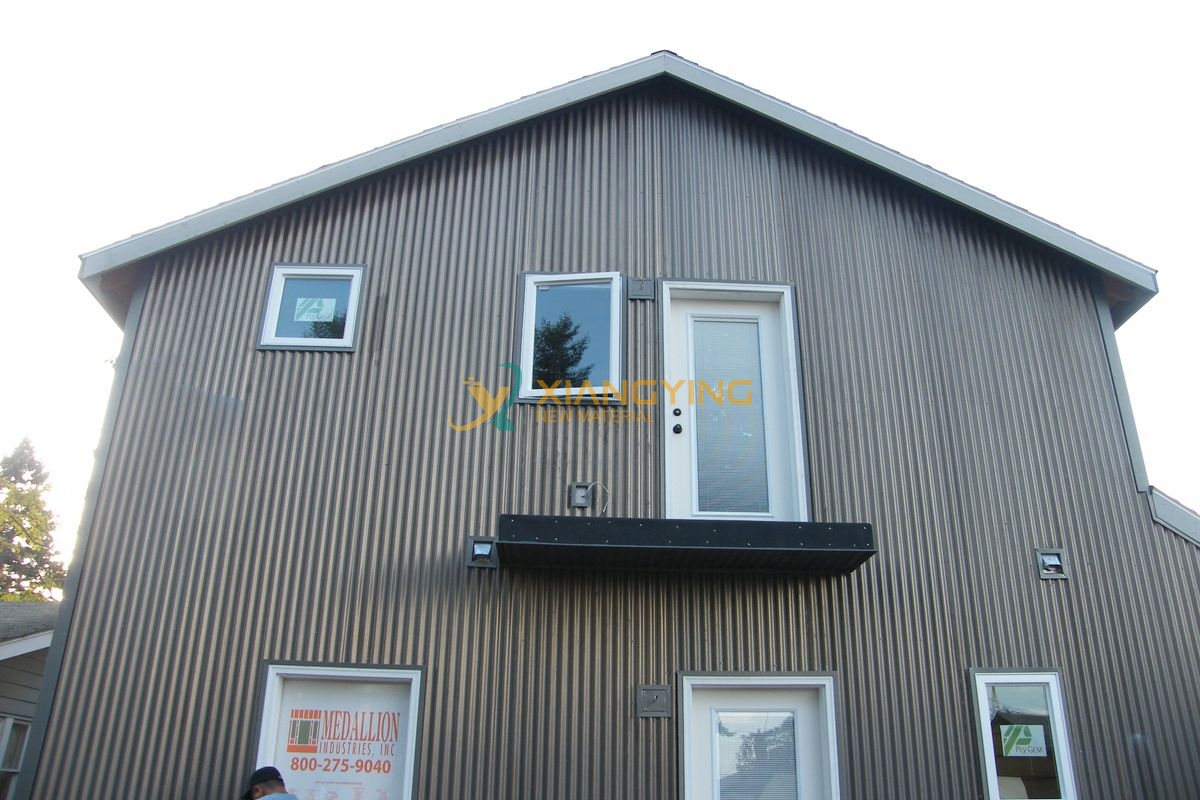
Additionally, WPC exterior wall panels are proving highly suitable for sustainable and energy-efficient construction projects. The recycled content and long lifespan support green-building goals, while the material’s density helps provide a modest level of thermal insulation. For projects that also require fire safety, Xiangying offers versions formulated to meet important fire-retardant standards.
In summary, Shandong Xiangying’s WPC exterior wall panels are making their mark in residential, commercial, and landscape applications by offering a blend of beauty, strength, and sustainability. Their ability to mimic wood, resist weather, minimize maintenance, and adapt to architectural design tastes makes them an increasingly popular choice among forward-thinking developers and designers.