
 Hot Selling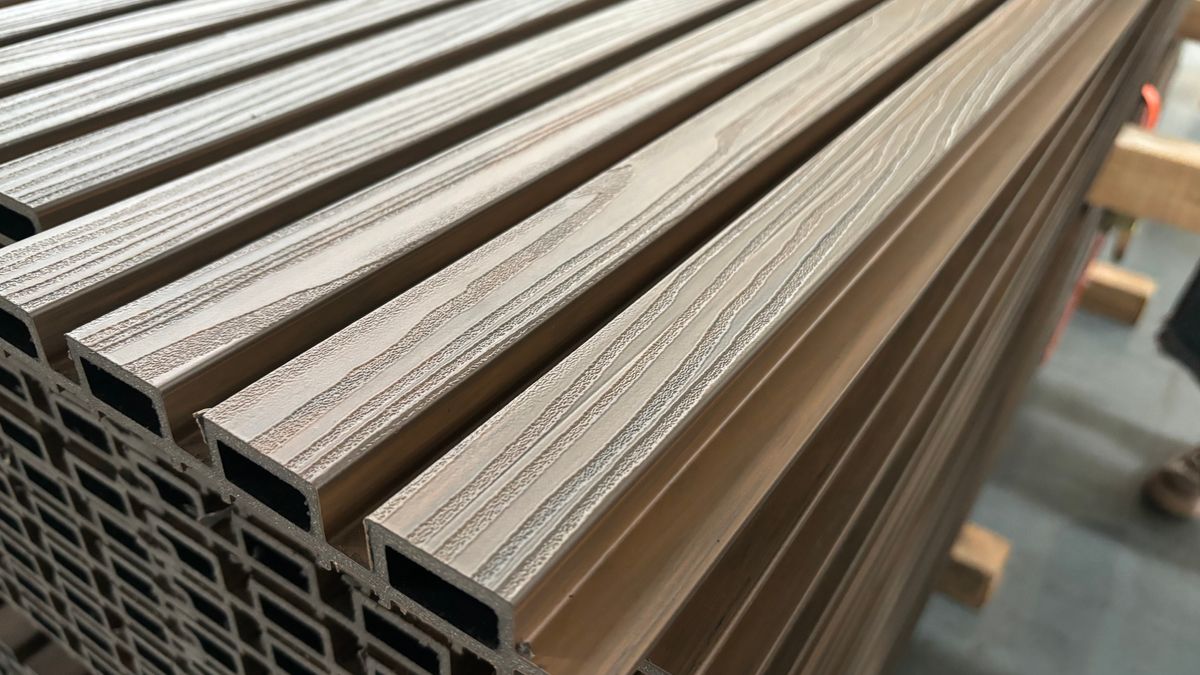
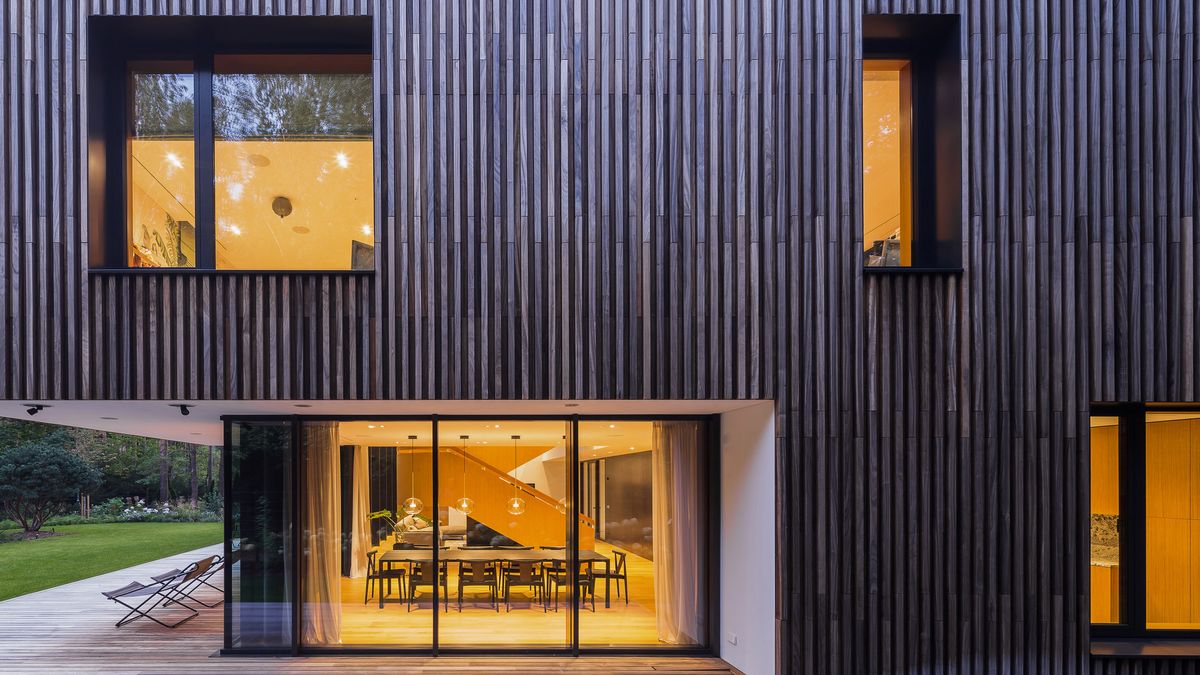
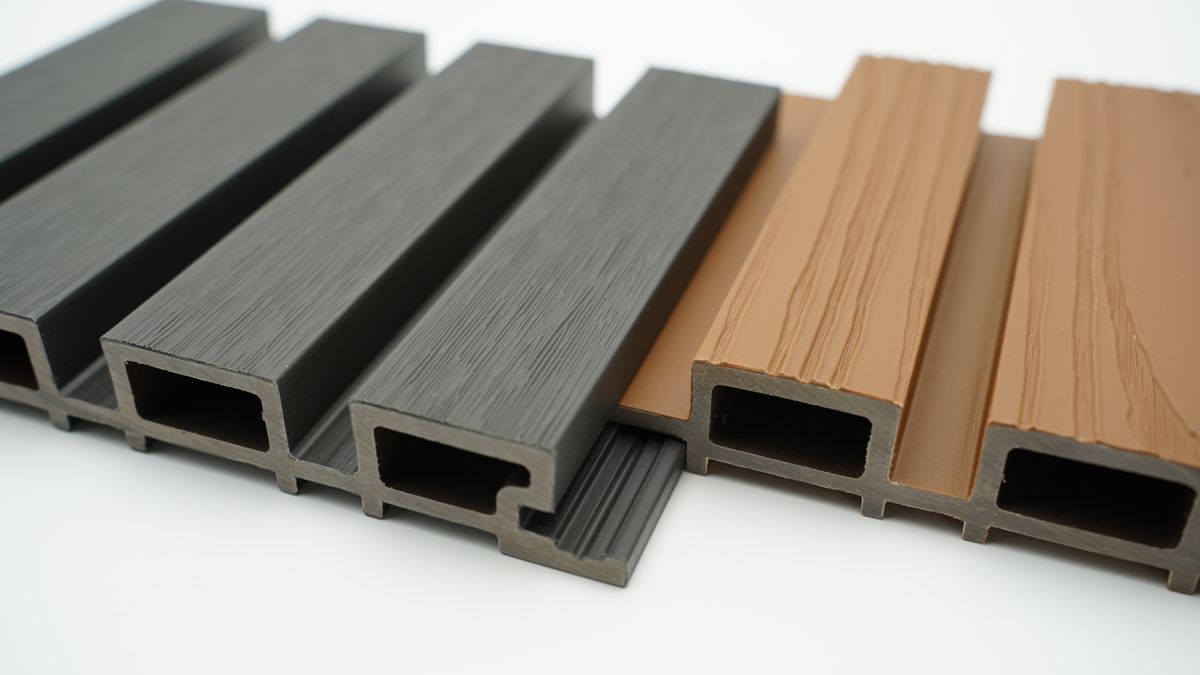
WPC Decking: Enhancing Residential, Commercial and Public Outdoor Environments
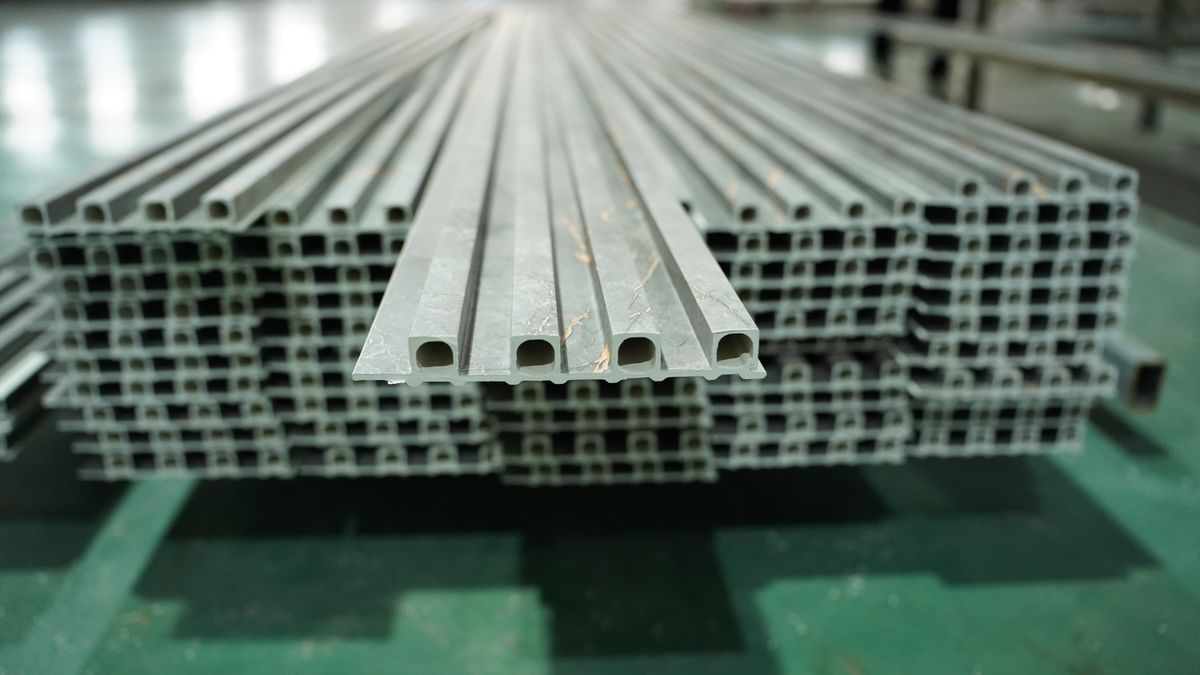
As outdoor living continues to evolve into a central feature of modern lifestyles, the need for durable, attractive, and low-maintenance flooring solutions has driven significant growth in the adoption of Wpc Decking — Wood-Plastic Composite decking. Unlike traditional wood, which requires ongoing upkeep and is vulnerable to decay and pests, WPC decking combines recycled wood fibers and plastics into engineered boards that deliver long-lasting performance and aesthetic versatility across a wide range of applications.
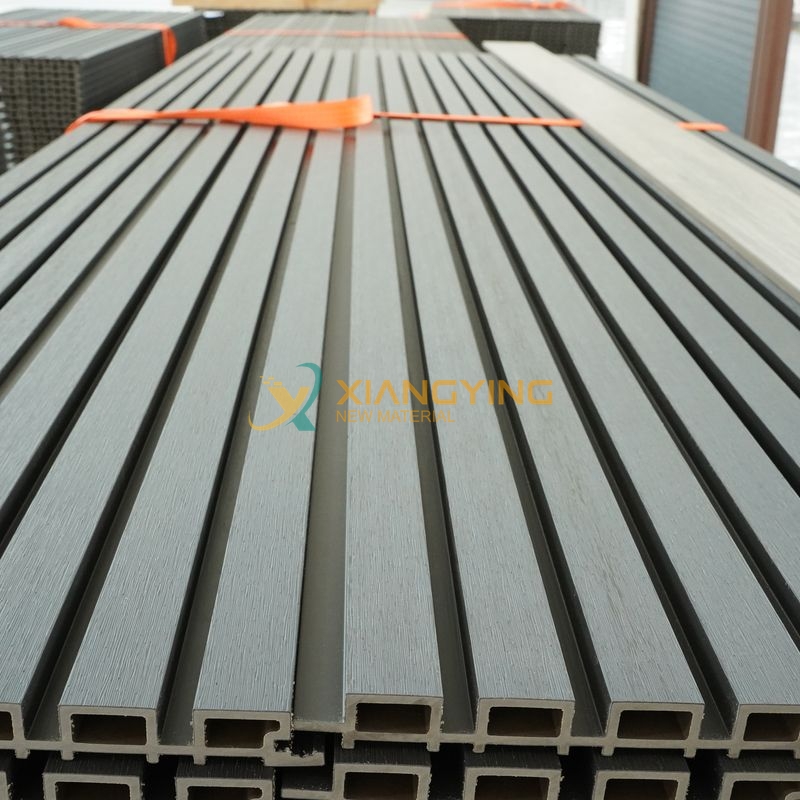
WPC Decking in Residential Outdoor Spaces
Residential applications remain the most visible and popular use of WPC decking. Homeowners are increasingly extending their living areas into outdoor environments, creating spaces that function as outdoor living rooms, entertainment zones, dining terraces, or leisure spaces. WPC decking supports these lifestyle trends by providing a stable, slip-resistant surface that feels comfortable underfoot and maintains its integrity across seasons.
Backyard decks and patios are common areas where WPC decking truly shines. With its resistance to rot, moisture, and insects, WPC decking eliminates many of the maintenance headaches associated with wood decks. The boards do not require staining, sealing, or frequent repairs — a major advantage for busy homeowners. Occasional rinsing with soap and water keeps the decks clean and visually appealing, freeing up weekends for enjoyment rather than upkeep.
Poolside areas represent another thriving application. Around swimming pools, safety and durability are paramount, and WPC decking meets both requirements. Its anti-slip surface provides secure traction even when wet, helping reduce the risk of slips and falls. Additionally, because Wpc Boards resist water absorption, they do not swell or crack like solid timber when exposed to frequent splashes and pool chemicals.
Balconies and rooftop terraces also benefit from WPC decking installations. These elevated outdoor spaces often face harsh weather conditions, including intense sun exposure and high winds. WPC decking’s UV-stable composition ensures color retention and surface resilience, even in these exposed environments. With careful design, rooftops can be transformed into functional lounges and social spaces that extend living areas upward and outward.
Commercial Outdoor Areas: Functionality Meets Design
WPC decking’s robust performance and visual appeal have led to widespread use in commercial settings. Restaurants and cafés with outdoor seating areas use WPC decking to create comfortable, stylish environments that can withstand heavy foot traffic and frequent cleaning. Unlike traditional wood, which may deteriorate under constant use, WPC decks retain their structure and finish with minimal intervention, supporting business operations and customer satisfaction.
Hotels, resorts, and hospitality venues also adopt WPC decking for pool decks, outdoor lounges and boardwalks. Passengers at resorts often experience extended outdoor use — from morning yoga sessions to evening cocktails — and demand a flooring surface that combines durability with design sophistication. WPC decking provides this combination, enabling large outdoor venues to maintain a cohesive aesthetic that aligns with architectural branding while offering safe, comfortable surfaces for guests.
Public parks and community spaces represent another growing application sector. Urban planners and landscape architects deploy WPC decking for walkways, viewing platforms, picnic areas, and recreational zones where weather resistance and longevity are essential. In high-traffic public environments, the reduced need for repair and maintenance translates to lower public works costs and greater safety for visitors.
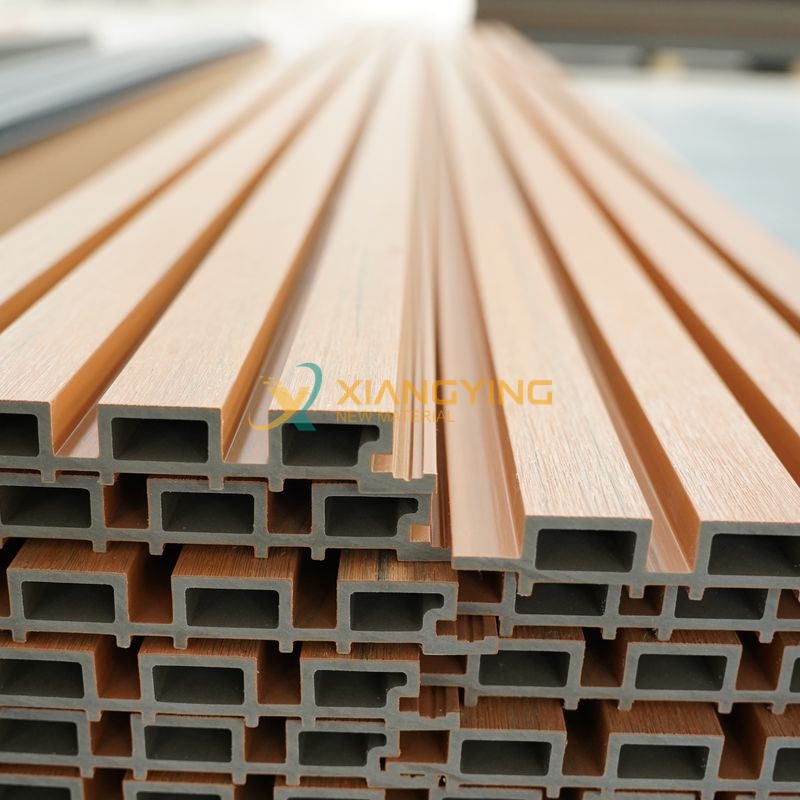
Design Flexibility: Blending Function with Style
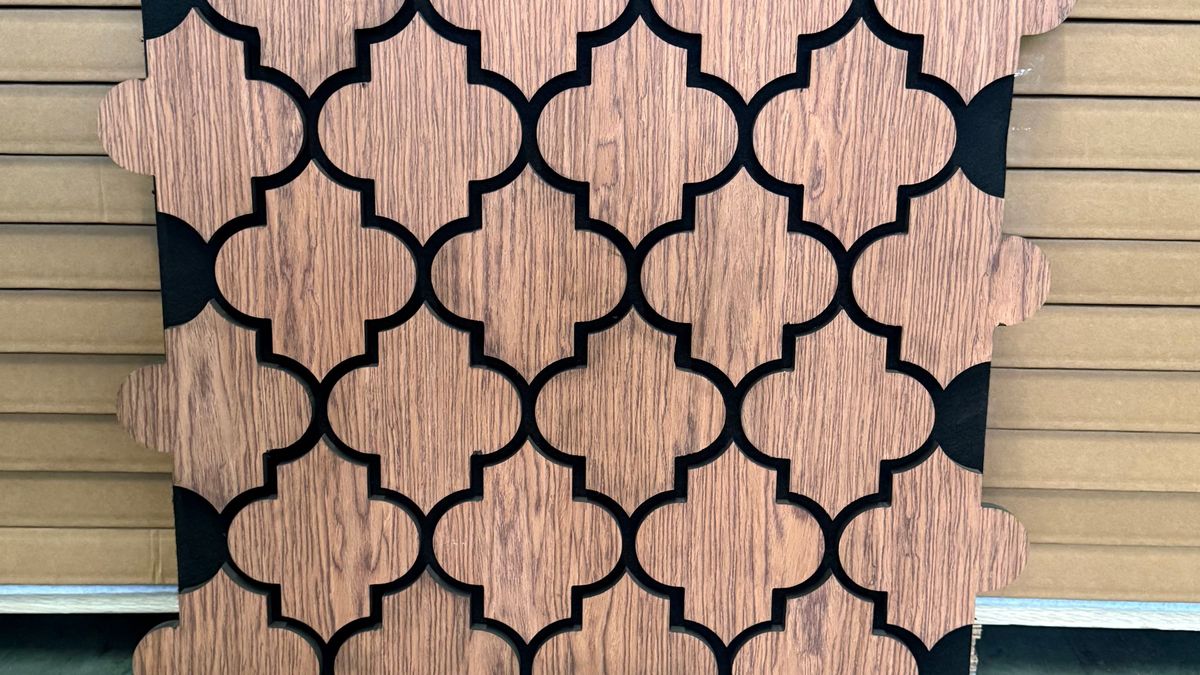
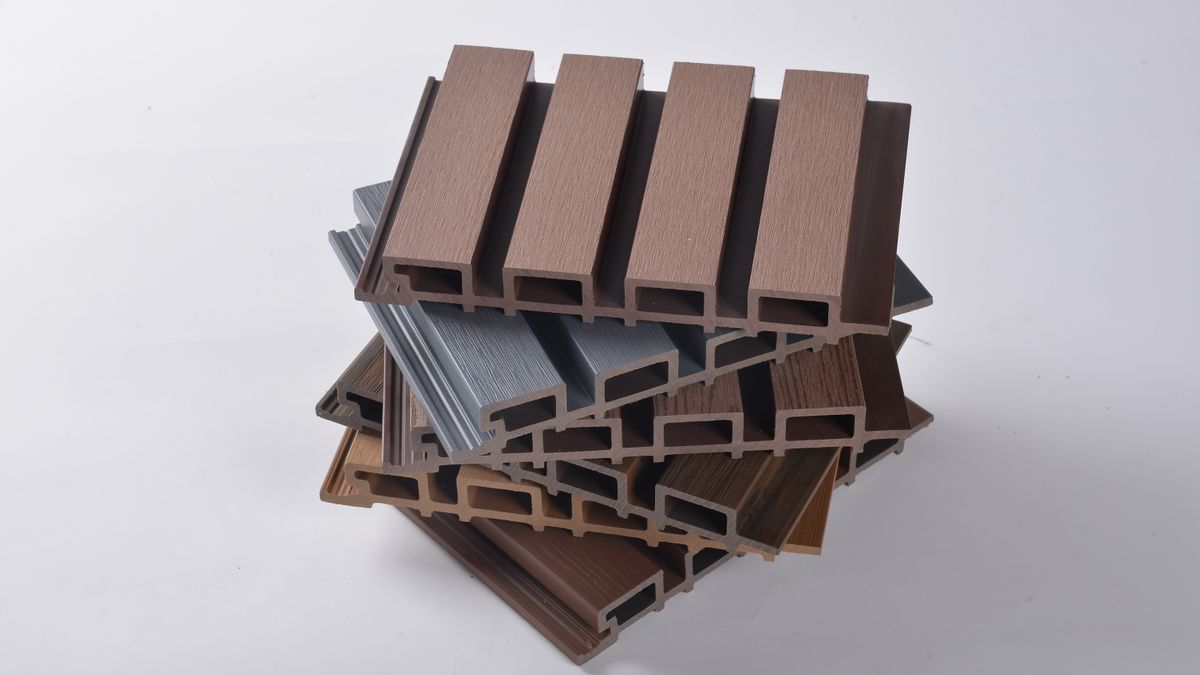
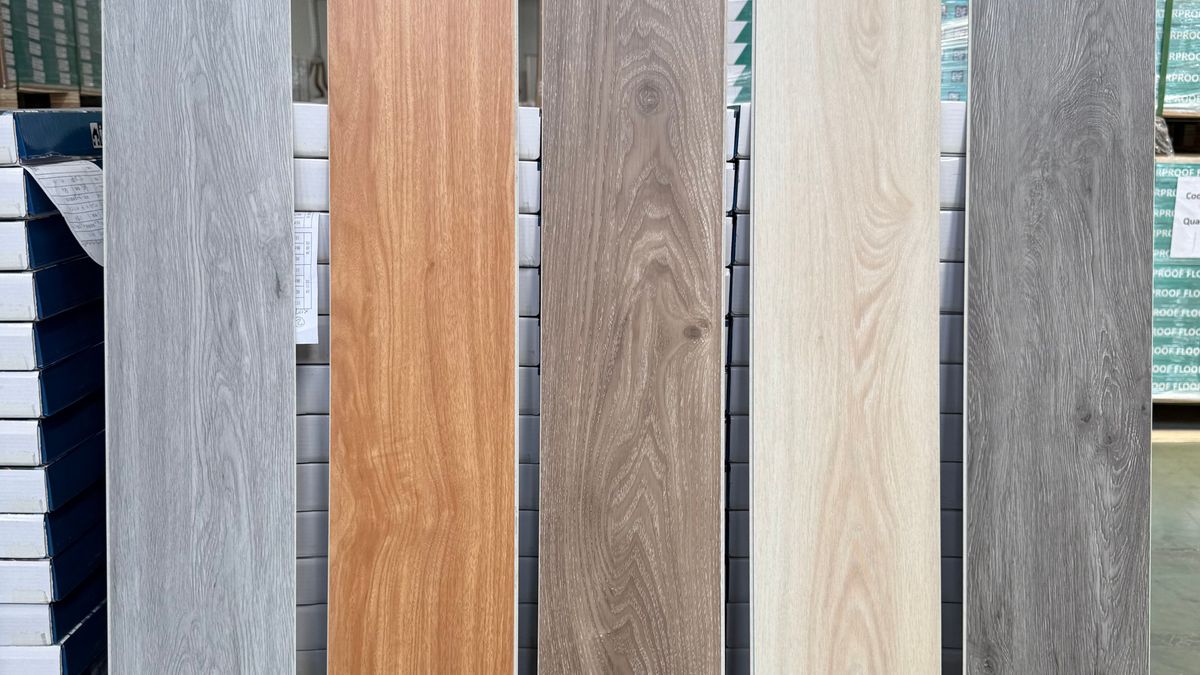
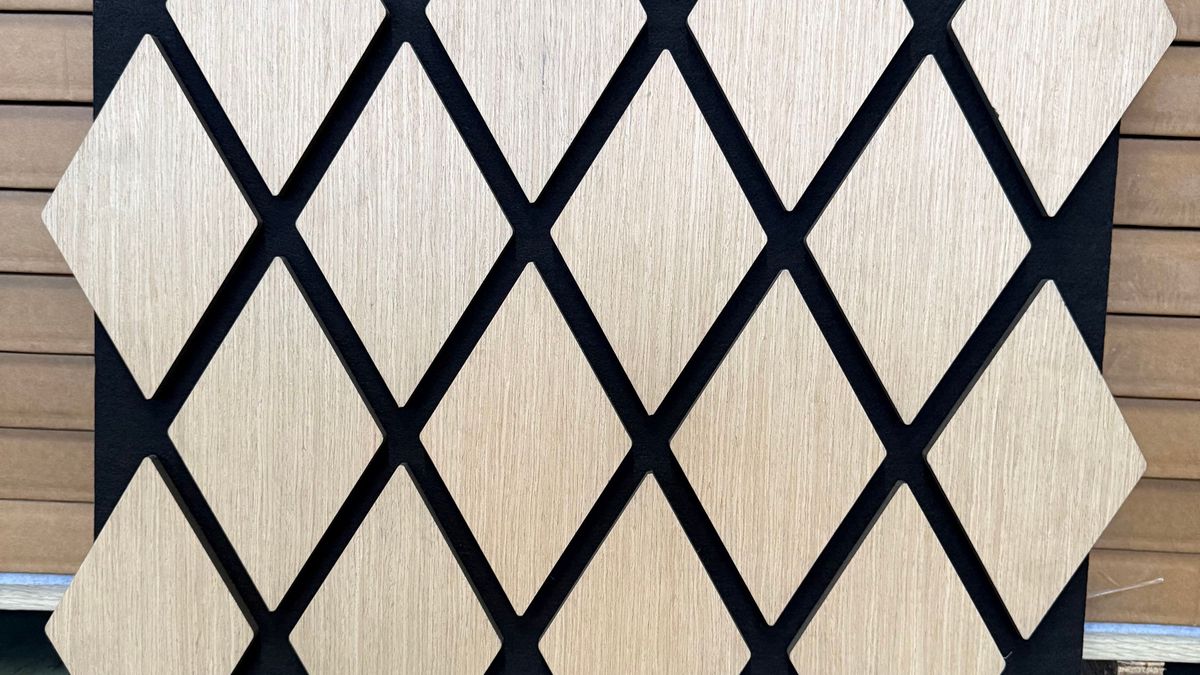
The aesthetic versatility of WPC decking is a major factor in its widespread adoption. Boards are available in a broad range of textures, colors, and finishes — from classic wood grains that evoke traditional timber decks to contemporary matte styles that complement minimalist designs. This flexibility allows designers to tailor outdoor flooring to project themes, architectural motifs, and landscape palettes.
Designers often leverage WPC decking to create multi-level outdoor spaces that define zones for distinct activities — dining, lounging, and pathways — without the harsh visual transitions of other materials. Integrated lighting, planters, and built-in benches are frequently incorporated into deck designs to enhance functionality and comfort, turning ordinary decks into fully planned outdoor living environments.
Eco-Friendly Outdoor Solutions
As environmental sustainability becomes central to material selection, WPC decking’s composition — frequently incorporating recycled wood fibers and plastics — is appealing to eco-conscious consumers and developers. This reuse of materials reduces landfill waste and decreases reliance on virgin timber harvesting, aligning with global sustainability goals and responsible construction practices.
Many WPC decking products are also marketed with eco-certifications, such as LEED points or FSC recognition, that verify their contribution to green building credits, making them attractive for projects seeking certification or sustainability benchmarks.
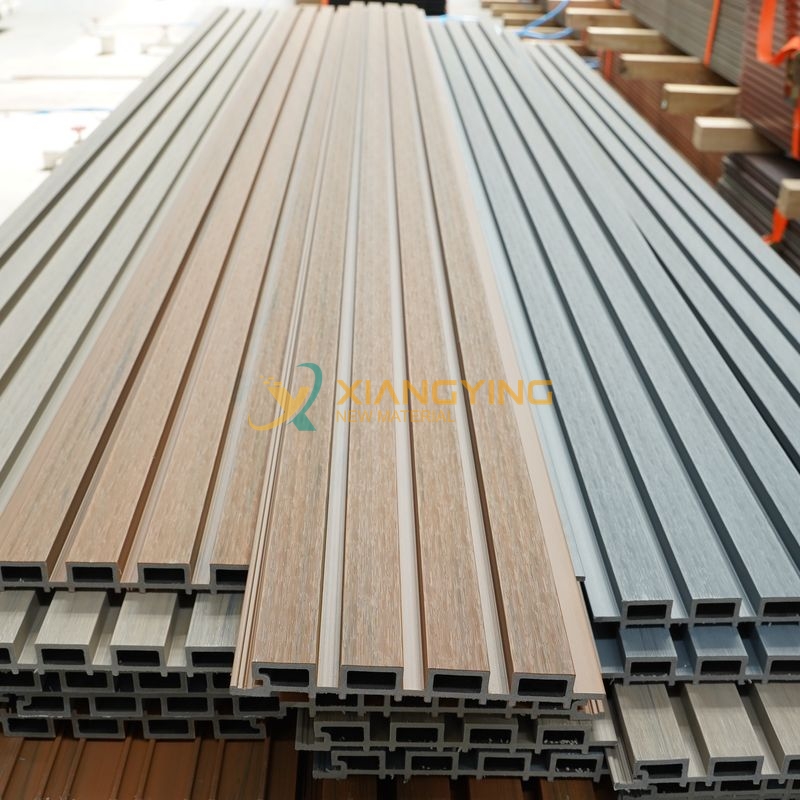
Lifecycle Value: Long Service Life and Cost Savings
Despite sometimes higher upfront costs compared with untreated wood boards, WPC decking delivers long-term value through its extended lifespan and minimal upkeep. Because it resists weather stressors, pests, rot, and surface deterioration, WPC decking does not require the ongoing cyclical maintenance of traditional wood — a financial and labor burden that can accumulate significantly over time.
This lifecycle advantage often makes WPC decking a more cost-effective option when viewed through the lens of total cost of ownership. Over decades of use, homeowners and property managers spend less on materials, maintenance services, and repairs, enabling greater budget predictability and peace of mind.
Conclusion
From backyard gardens and pool surrounds to commercial terraces, public walkways, and hospitality lounges, WPC decking offers a comprehensive outdoor flooring solution that blends performance, durability, design versatility, and sustainability. Its ability to withstand harsh weather, resist decay, deliver safety, and support diverse design intentions makes it one of the most reliable and attractive materials for modern outdoor environments. As outdoor living continues to be emphasized in both residential and commercial design, WPC decking stands at the forefront — supporting spaces where people gather, relax, and enjoy life’s outdoor moments.