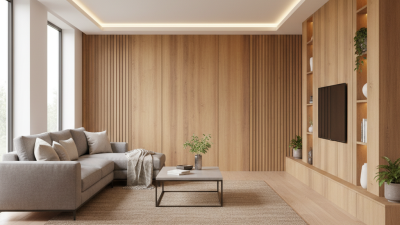
2026 Best WPC Wall Panel for Eco Friendly Home Design?
In recent years, the demand for eco-friendly home design has soared. Homeowners are increasingly focused on sustainability and unique aesthetics. One product gaining attention is the WPC Wall Panel. This material combines wood and plastic composites, offering many benefits.
WPC Wall Panels are known for their durability and low maintenance requirements. They resist moisture, making them ideal for various climates. By choosing WPC, homeowners can reduce their carbon footprint while enhancing their living spaces. However, not all WPC products are created equal. Quality varies, and some may not meet eco-friendly standards.
While WPC Wall Panels offer a modern design solution, it's essential to research before making a purchase. Consideration of factors such as sourcing and production methods is vital. With the right information, homeowners can select panels that align with their sustainable values and contribute to a greener future.
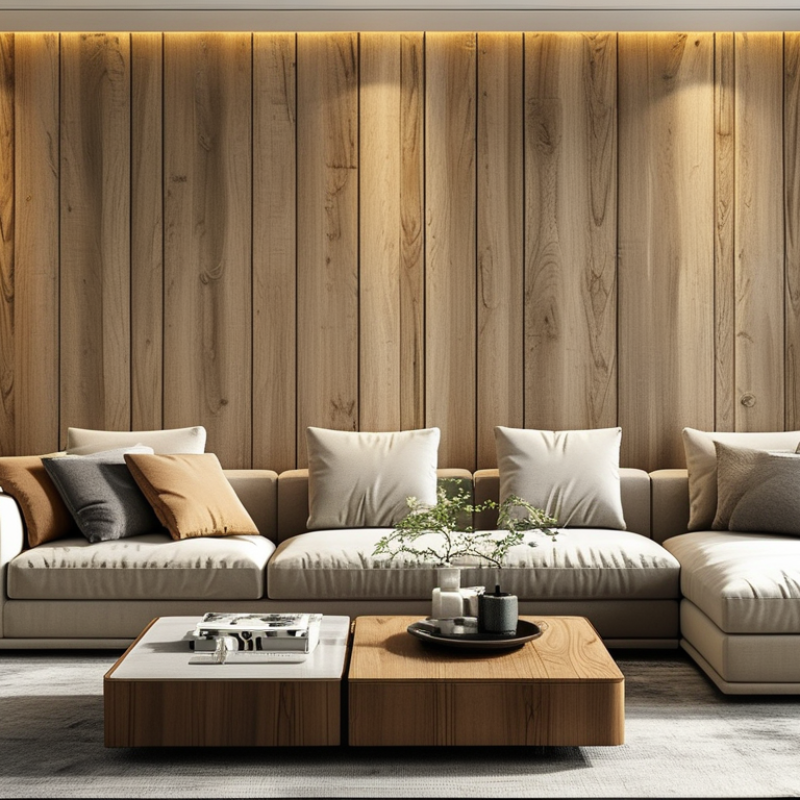
WPC Wall Panels: An Introduction to Eco-Friendly Materials
WPC wall panels are increasingly popular in eco-friendly home design. These panels combine wood fibers and plastic, creating a sustainable alternative to traditional materials. According to industry reports, WPC production can reduce waste by up to 50%, making it an attractive choice for builders and homeowners focused on sustainability.
The environmental benefits extend beyond manufacturing. WPC panels are durable and resistant to moisture and pests. They require less maintenance than traditional wood, decreasing the need for chemicals. The Green Building Council emphasizes that using such eco-friendly materials can lead to substantial energy savings, with estimates suggesting a reduction of up to 30% in energy usage over time.
However, the adoption of WPC walls is not without challenges. Some consumers question the long-term performance compared to natural wood. There are concerns about the life cycle of plastic used in WPC. These factors merit careful consideration when planning an environmentally responsible home. Balancing aesthetics, functionality, and sustainability will ensure that WPC panels are a truly eco-friendly choice in the long run.
Benefits of Using WPC Panels in Sustainable Home Design
WPC panels, made from wood and plastic composites, offer numerous benefits in sustainable home design. They are eco-friendly, which is a significant advantage. By utilizing recycled materials, WPC panels reduce waste and promote sustainability. Their durability also makes them a wise choice for long-term use. Homeowners often appreciate how these panels resist rot and pests, which translates to fewer replacements.
Another noteworthy aspect is their aesthetic versatility. WPC panels come in various styles, colors, and textures. This allows for creative freedom in design while adhering to eco-friendly principles. However, it's important to recognize that not all WPC panels are created equal. Some may not perform as well under certain conditions, leading to potential disappointments. Homeowners should do thorough research before making a decision.
Moreover, maintenance is easier with WPC panels compared to traditional materials. They require less upkeep, saving time and resources. Despite these advantages, be cautious about installation processes. A poor installation can compromise their benefits, leading to issues down the line. Investing in skilled professionals can mitigate these risks.
Key Features to Look for in the Best WPC Wall Panels
When selecting WPC wall panels for an eco-friendly home, consider a few key features. Look for panels made from recycled materials. This supports sustainability and reduces environmental impact.
The best panels should have a low carbon footprint, contributing to a greener home. Additionally, check for certifications that ensure eco-friendliness.
Water resistance is another important feature. WPC wall panels should withstand moisture, which prevents warping and damage. This is crucial for areas with high humidity. Lightweight materials make installation easier and faster. However, ensure that the panels are durable enough to last.
Finally, aesthetics matter too. Choose colors and textures that match your design vision.
While many panels come in standard options, custom finishes can enhance uniqueness. Remember that not all products will meet your expectations, so research before making a decision. Even a minor mistake can lead to costly changes later.
Top Brands and Products for WPC Wall Panels in 2026
When considering eco-friendly home design, WPC wall panels are an attractive choice for 2026. Made from a blend of wood fibers and recycled plastic, these panels offer durability and sustainability. Many top brands focus on creating products that not only look good but also minimize environmental impact. Homeowners can choose from a variety of textures and finishes to suit their style preferences.
Quality is paramount in selecting WPC wall panels. Some products may promise more than they deliver. It's important to research and compare options. Look for panels that emphasize sustainability without sacrificing aesthetics or longevity. Installation processes vary, which can affect final results. Some panels require professional help. Others allow for DIY projects, making them accessible for many homeowners.
While WPC panels are a great solution, not all products perform equally. Water resistance and UV stability can differ. It's wise to read reviews and gather insights from previous users. This approach helps ensure a well-informed decision. Eco-friendly home design benefits from thoughtful choices, and the right WPC wall panels can enhance spaces beautifully while supporting a sustainable future.
Installation and Maintenance Tips for WPC Wall Panels
WPC wall panels are becoming a popular choice for eco-friendly home design. Their installation requires careful planning. Start by ensuring the surface is clean and dry. This helps prevent moisture issues later on. The panels can be installed over wood or a metal framework. It's crucial to follow guidelines for spacing to allow for expansion and contraction.
Maintenance of WPC panels is straightforward but often overlooked. Regular cleaning with mild soap and water is recommended. Experts suggest avoiding harsh chemicals that can degrade the material. Research shows that routine care can extend their lifespan by up to 30%. Some homeowners neglect routine checks for warping or damage. Addressing these issues early can save future costs and enhance appearance.
Consider the environmental impact during installation. Many WPC products are made from recycled materials, offering a sustainable option. However, improper disposal of waste materials can negate these benefits. Each project’s eco-footprint should be evaluated. Recognizing the balance between aesthetics and sustainability is vital for any modern home design. The goal should be to create spaces that are both beautiful and responsible.

 Hot Selling