How to Use Bamboo Wood Veneer for Home Decor and Furniture Projects?
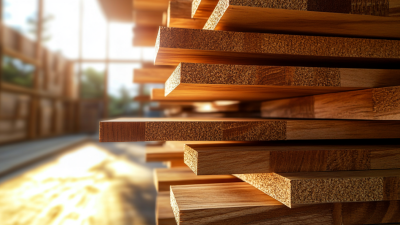
In the world of home decor, Bamboo Wood Veneer has emerged as a stylish and sustainable choice. Renowned designer Amelia Tran notes, "Bamboo Wood Veneer offers both elegance and eco-friendliness." Its rich, natural texture adds warmth to any design.
Many projects can benefit from the unique properties of Bamboo Wood Veneer. It is lightweight yet strong, allowing for intricate designs without sacrificing durability. Furniture makers often appreciate its versatility. However, working with bamboo requires patience and skill, as it can splinter if not handled carefully.
Integrating Bamboo Wood Veneer into your home can elevate your decor while remaining mindful of sustainability. From cabinetry to accent walls, the possibilities are endless. Nonetheless, it’s essential to reflect on your choices and maintain a balance between aesthetics and functionality. Embrace this beautiful material, but also recognize the learning curve involved in using Bamboo Wood Veneer effectively.
Choosing the Right Bamboo Wood Veneer for Your Project
When selecting the right bamboo wood veneer for your home decor and furniture projects, it’s essential to consider a few key factors. Bamboo is known for its eco-friendliness and strength. According to industry reports, bamboo is 28% stronger than oak. This durability makes it a favored choice among furniture makers.
Consider the grain pattern of the veneer. Some styles offer a straight grain, while others feature a more intricate design. Straight grains provide a clean, modern look, ideal for minimalist spaces. In contrast, exotic grains can add warmth and character, enhancing traditional or rustic interiors.
Thickness also plays a role. Thicker veneers are typically more robust, allowing for intricate cuts and designs. However, they can be more challenging to work with. A common error is choosing a veneer that is too thin for the project, leading to premature wear. Additionally, ensuring proper sealing is vital to protect the veneer from moisture and wear, which is often overlooked.
Preparing the Surface: Key Steps for Applying Bamboo Veneer
Preparing the surface for applying bamboo veneer requires careful attention to detail. Start with a clean, smooth substrate. Any dirt or dust can compromise adhesion. Sanding the surface helps to achieve the right texture. According to industry reports, a well-prepared surface increases veneer adhesion by 50%.
Next, choose the right adhesive. Some adhesives work better with bamboo than others. It’s crucial to read the specifications thoroughly. A common mistake is using the wrong type, which can lead to delamination over time. Applying adhesive evenly helps the veneer lay flat. Precision is key.
After the adhesive is applied, place the bamboo veneer carefully. Align it accurately; patience is essential during this step. Proper alignment can prevent imperfections in the final design. Industry data shows that misalignment contributes to over 30% of project failures. Once in place, apply even pressure across the veneer. This action ensures full contact with the substrate. In contrast, insufficient pressure can create air pockets, which weaken the bond. Each step matters significantly, and taking the time to execute them properly will yield a stunning result.
How to Use Bamboo Wood Veneer for Home Decor and Furniture Projects? - Preparing the Surface: Key Steps for Applying Bamboo Veneer
| Step |
Description |
Tools Needed |
Duration |
| 1. Surface Preparation |
Clean the surface where the veneer will be applied to ensure it is free of dust, grease, and imperfections. |
Cloth, Mild Cleaner |
15 minutes |
| 2. Measurement and Cutting |
Measure the area accurately and cut the bamboo veneer to size using a sharp utility knife. |
Measuring Tape, Utility Knife |
30 minutes |
| 3. Dry Fitting |
Before adhesion, place the veneer on the surface to ensure a proper fit and alignment. |
None |
10 minutes |
| 4. Adhesive Application |
Apply adhesive evenly on both the veneer and the surface to ensure a strong bond. |
Adhesive, Brush or Roller |
20 minutes |
| 5. Pressing |
Press the veneer firmly onto the surface to eliminate air bubbles and ensure proper adhesion. |
Weights or Clamps |
1 hour |
| 6. Trimming Edges |
After the adhesive has cured, trim any excess veneer for a clean edge. |
Utility Knife, Straight Edge |
15 minutes |
| 7. Finishing Touches |
Apply a finish to protect the veneer and enhance its appearance (optional). |
Finish Coat, Brush |
Depends on finish |
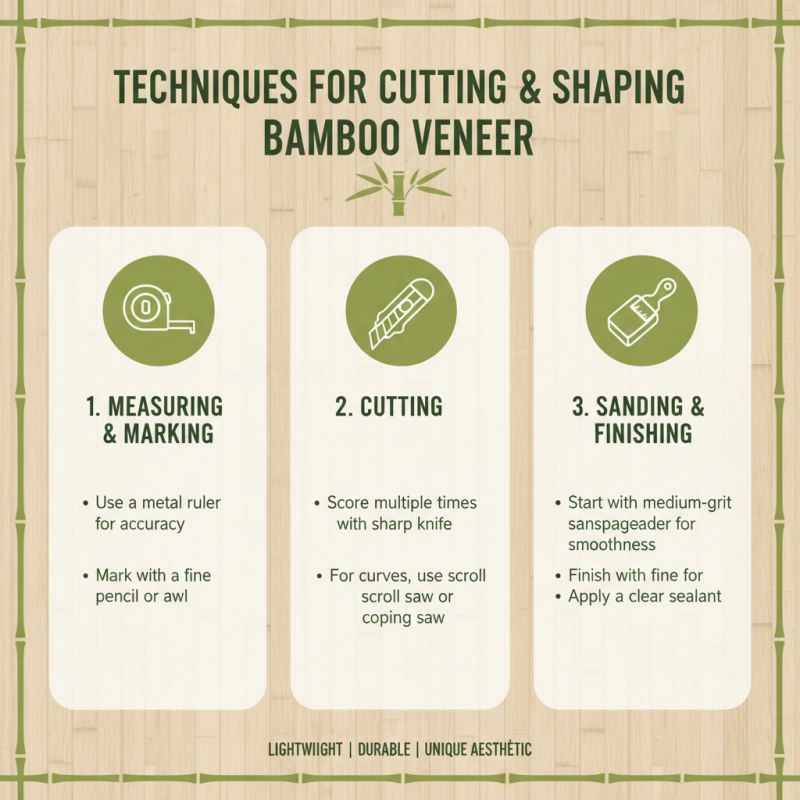
Techniques for Cutting and Shaping Bamboo Wood Veneer
Bamboo wood veneer is an excellent material for home decor and furniture projects. It is lightweight, durable, and offers a unique aesthetic. When cutting and shaping bamboo veneer, there are a few key techniques to ensure a smooth and successful process.
Start by selecting the right tools. A sharp utility knife or a fine saw works well. For precision, a straight edge helps guide your cuts. Some may struggle with uneven edges, which can happen if the blade isn’t sharp enough. Take your time with each cut; rushing doesn’t yield the best results. Sanding the edges afterward can help achieve a clean finish.
When shaping bamboo veneer, consider using a heat gun for gentle curves. Heat will soften the veneer, allowing it to bend without breaking. It’s a useful technique, but be cautious. Overheating can cause the veneer to warp. Test a small piece first to avoid any mishaps.
Tips: Always wear protective gear, especially gloves and goggles. Bamboo dust can be harmful. Dispose of scraps properly; even small pieces can be sharp. Take breaks to ensure accuracy; fatigue can lead to mistakes. Remember, imperfections can add character to your project. Embrace the process, and learn from any errors along the way.
Finishing Options: Stains and Sealants for Bamboo Wood
Bamboo wood veneer is a popular choice for home decor and furniture projects due to its sustainability and aesthetic appeal. When considering finishes, stains and sealants play vital roles in enhancing and protecting the wood. According to a report by IBISWorld, the demand for eco-friendly materials in home design has been steadily increasing, with bamboo leading the way.
Stains can add depth to bamboo's natural beauty. Choose water-based stains for a non-toxic option that dries quickly. They penetrate well and enhance the grain without overpowering it. Oil-based stains offer a richer color but take longer to dry. The right choice largely depends on the desired finish.
Sealants are equally important. They protect bamboo from moisture and everyday wear. A polyurethane sealant provides a hard finish and works well for furniture that experiences frequent usage. However, overapplication can lead to an unsightly sheen. Aim for a balance between protection and aesthetic appeal.
Tips: Always test stains and sealants on a small bamboo sample. This allows you to gauge the final effect before committing. Remember that bamboo can absorb colors differently, so results may vary. Also, consider environmental factors like humidity, which can affect drying times.
Creative Ideas for Incorporating Bamboo Veneer in Home Decor
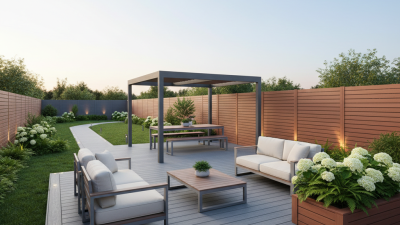
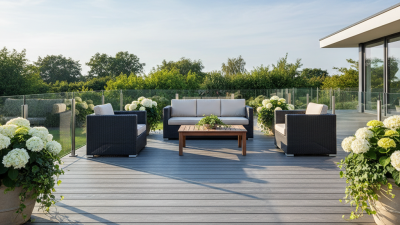
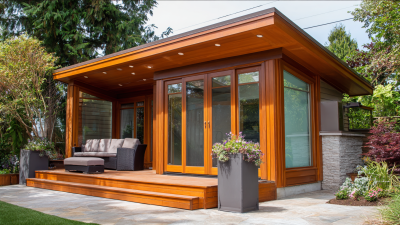
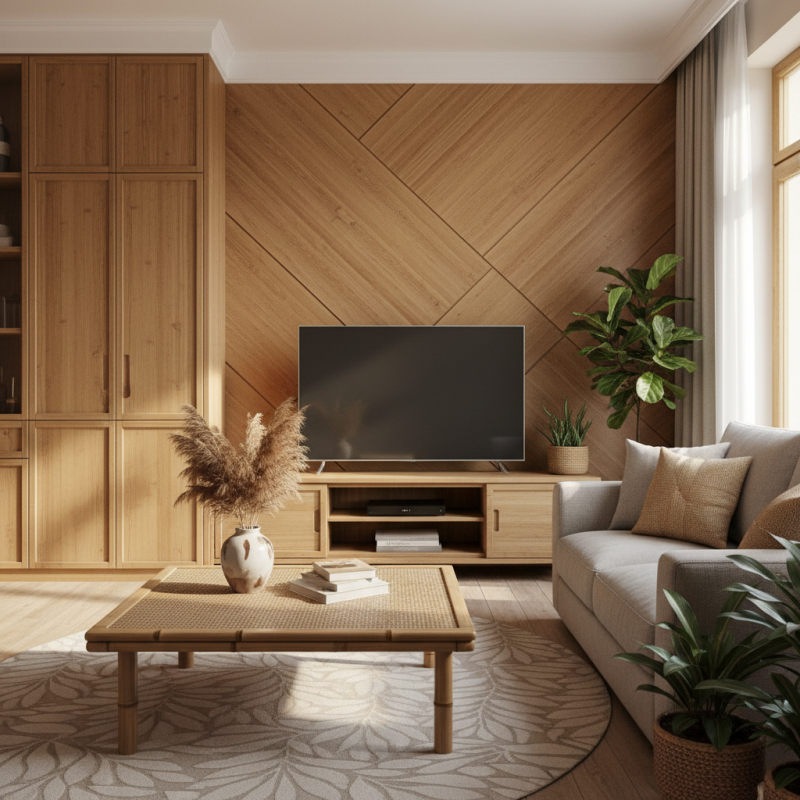
Bamboo wood veneer brings a touch of nature into your home decor. It adds warmth and texture to various spaces. Consider using bamboo veneer to create accent walls or paneling. This unique material can breathe new life into an ordinary room.
For furniture projects, bamboo veneer works beautifully. Think about applying it to tabletops or cabinet fronts. You can enhance the beauty of your furniture by showcasing bamboo’s natural grain. Remember to use proper adhesives to ensure a long-lasting finish.
**Tips:** When cutting the veneer, use a sharp utility knife for clean edges. Test adhesives on scrap pieces to avoid mishaps. Explore different finishes to see what complements your space. Embrace the imperfections; they can highlight the natural look of bamboo.
How to Use Bamboo Wood Veneer for Home Decor and Furniture Projects

 Hot Selling