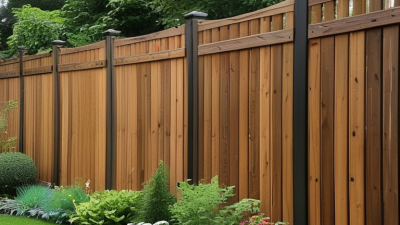
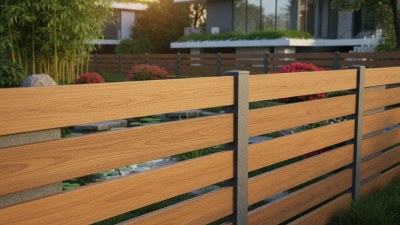
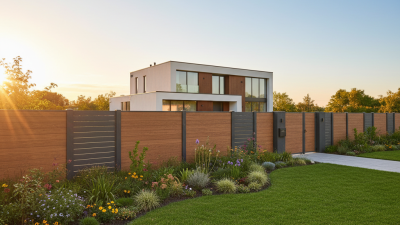
Best Garden Fence WPC Options for Your Outdoor Space?
In outdoor design, a durable and attractive border is essential. "Garden Fence WPC" has emerged as a popular choice among homeowners. This material combines wood and plastic, offering longevity and aesthetics. According to industry reports, WPC fencing can last up to 30 years, compared to traditional wood, which often needs replacement in less than a decade.
Expert Jake Thompson, a leading figure in the WPC industry, emphasizes, "The future of outdoor fencing is in composite materials." His statement reflects a broader trend emphasized in various market analyses. For those seeking a blend of style and sustainability, Garden Fence WPC stands out.
Homeowners often overlook crucial factors when selecting a fence. Understanding the specific needs of your space is vital. While WPC offers numerous benefits, it’s essential to consider installation costs and long-term maintenance. Making informed choices will lead to a more fulfilling outdoor experience.
Overview of WPC (Wood Plastic Composite) Fencing Materials
WPC, or Wood Plastic Composite, has gained popularity in fencing. These materials combine wood fibers and plastic to create a durable and low-maintenance solution. WPC fences are resistant to rot, insects, and fading. They offer a natural wood look while being more sustainable and long-lasting.
When choosing WPC fencing, consider the thickness and texture. Thicker boards often provide better stability and insulation. A textured surface can enhance grip and reduce sunlight reflection. However, not all WPC products perform equally. Research is crucial to select a fence that matches your climate and local environment.
Tips for installation: Ensure a level foundation. A sloped ground can cause structural issues over time. Additionally, avoid using metal fasteners, as they might react with the composite material. Instead, explore alternative options like stainless steel. Regular inspections can help identify wear and prevent costly repairs.
Best Garden Fence WPC Options for Your Outdoor Space
This chart illustrates the ratings of various features of WPC (Wood Plastic Composite) fencing materials, highlighting their durability, cost-effectiveness, maintenance requirements, aesthetic appeal, and environmental impact. Ratings range from 1 (poor) to 10 (excellent), providing a clear visual representation of how WPC fences perform in each category.
Advantages of Using WPC Fencing in Gardens
Using WPC fencing in gardens offers numerous advantages. WPC, or wood-plastic composite, is a blend of wood fibers and recycled plastic. This combination makes it an eco-friendly option. WPC fencing is resistant to rot, mold, and insects. Unlike traditional wood, it requires less maintenance. You won’t need to worry about warping or splintering over time. The durability of WPC ensures it can withstand harsh weather conditions.
Tips for maintaining your WPC fence include regular cleaning. A gentle soap solution works well for removing dirt and debris. It’s best to rinse with water afterward. Additionally, inspect the fence periodically for any signs of wear. Addressing small issues early on can extend the life of your fence.
The aesthetic appeal of WPC fencing is also noteworthy. It comes in various colors and textures, allowing customization for your garden design. You can achieve a natural wood look without the hassle. However, it’s essential to choose a compatible color scheme. Make sure it complements your garden's plants and features. Overall, WPC fencing is a practical and stylish choice for enhancing your outdoor space. Think about how it aligns with your garden's vision and needs.
Popular WPC Garden Fence Styles and Designs
When considering
WPC (Wood-Plastic Composite)
garden fences, various styles and designs offer both aesthetic appeal and functionality. One popular choice is the
horizontal slat design, which provides a modern, clean look. This style ensures privacy while allowing airflow.
According to industry reports, over 30% of homeowners prefer horizontal slat fences for their contemporary vibe.
Panel fences are another common WPC option. They provide durability and security, essential for protecting your garden. Many designs include a
textured finish, replicating the appearance of natural wood.
Studies reveal that WPC fences can last up to 25 years, significantly reducing maintenance costs.
Still, buyers must consider color fading over time, which some report.
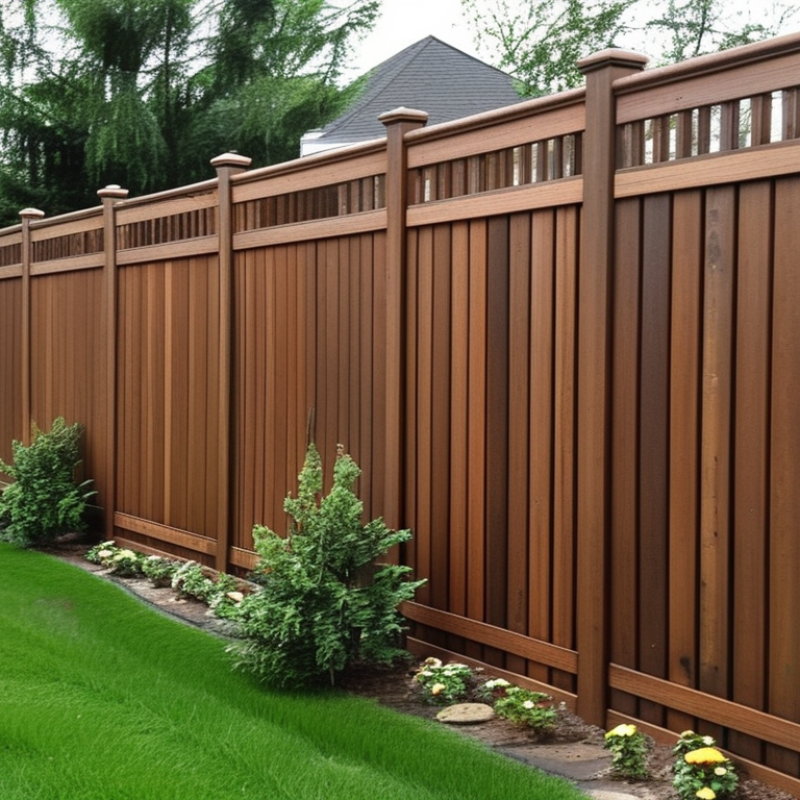
Vertical board fences can evoke a
rustic charm. These designs often include decorative post caps, enhancing the overall aesthetic.
However, achieving a perfect alignment can be challenging, requiring careful installation. Industry experts note that
improper setup can lead to drainage issues. Regular assessment and adjustment may be needed to maintain their integrity.
Balancing beauty with practicality is crucial in selecting the right design for your outdoor space.
Installation Guidelines for WPC Garden Fencing
When considering WPC (Wood Plastic Composite) garden fencing, proper installation is crucial. Start by assessing your outdoor space. Measure the length of the area where the fence will go. Make sure to account for gates and corners, as these will impact your fencing needs. Planning is key. Mark your posts with stakes in the ground for clarity. Having a clear layout can save time and reduce mistakes.
Next, dig post holes. The depth should be at least one-third of the post height. This ensures stability. Use a level to check your posts as you secure them in place. Concrete can provide additional support, but it’s not always necessary. Consider the ground conditions; some soil types require deeper or wider holes. If you encounter roots or rocks, you may need to adapt your plan.
After securing the posts, attach the WPC panels. Follow the manufacturer’s guidelines for spacing. Ensure each panel sits level. Check for gaps or unevenness. Addressing these during installation can prevent problems later. Remember, it's normal to make adjustments as you go. A little patience and attention to detail will lead to a better finish for your garden fence.
Maintenance Tips for Longevity of WPC Fences
WPC fences offer an attractive option for garden boundaries. Maintaining these fences is crucial for their longevity. Regular cleaning is a priority. Use a soft brush and mild soap to remove dirt and debris. A clean surface can prevent mold and mildew growth.
Inspect your fence often for signs of wear. Cracks can develop over time, especially in harsh weather. If you notice any damage, consider sealing the affected areas right away. This can help extend the fence's lifespan. A protective sealant can also enhance its appearance.
Providing shade can be tricky. WPC fences can fade under intense sunlight. Consider planting taller plants nearby to offer some protection. This not only looks appealing but can also help maintain the color of your fence. Every season brings new challenges, so stay observant.
Best Garden Fence WPC Options for Your Outdoor Space - Maintenance Tips for Longevity of WPC Fences
| WPC Fence Option |
Durability (Years) |
Maintenance Frequency (Years) |
Color Options |
Eco-Friendliness |
Cost per Linear Foot ($) |
| Standard WPC Fence |
20 |
5 |
Brown, Gray, Tan |
High |
15 |
| Composite Wood WPC Fence |
25 |
7 |
Mahogany, Walnut, Maple |
Medium |
18 |
| Decorative WPC Fence |
15 |
3 |
Black, White, Natural |
High |
20 |
| Privacy WPC Fence |
25 |
5 |
Dark Brown, Light Gray |
Medium |
22 |
| Pickett WPC Fence |
20 |
4 |
Green, Yellow, Beige |
High |
16 |

 Hot Selling