How to Choose Uv Marble Sheet Pvc for Your Projects?
Choosing the right materials for your projects can be challenging. One popular option is the Uv Marble Sheet Pvc. It combines aesthetics with durability, making it suitable for various applications. Understanding its features will help you make informed decisions.
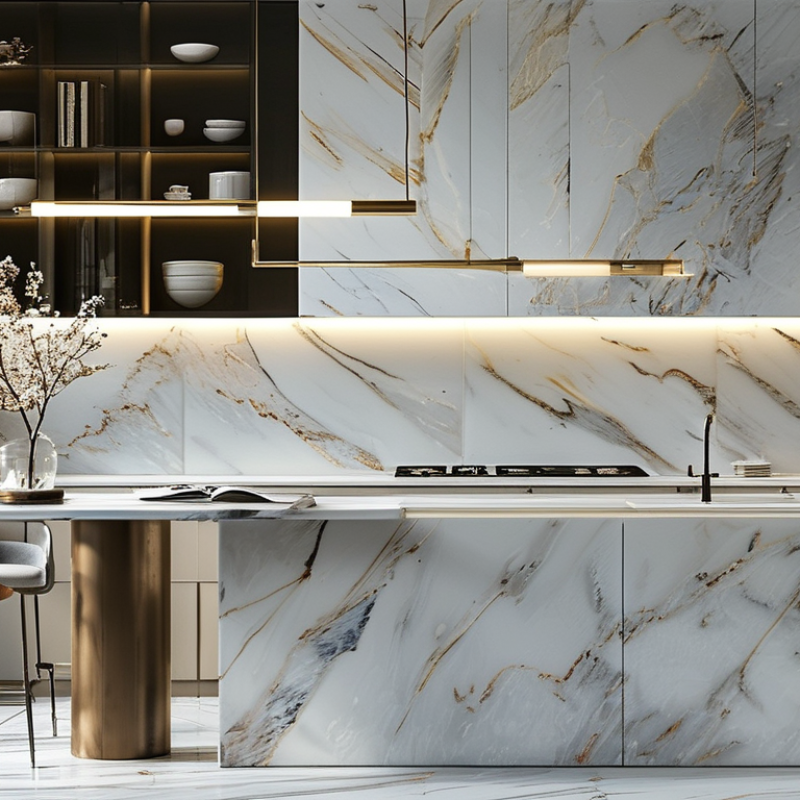
The Uv Marble Sheet Pvc offers a stunning marble-like finish. This can enhance the visual appeal of any space. However, not all products are created equal. Some may lack the quality you expect. It's essential to research different brands and their reputations.
When selecting Uv Marble Sheet Pvc, consider the application. Will it be used in high-traffic areas? Durability is crucial in this case. Evaluate the thickness and resistance to wear and tear. Check customer reviews and expert opinions. This information can guide your choice. Remember, a little effort in research now can save you from future regrets.
Understanding the Composition and Properties of UV Marble Sheet PVC
When considering UV marble sheet PVC for diverse projects, understanding its composition is crucial. UV marble sheet PVC is primarily made of polyvinyl chloride, a durable and versatile synthetic material. This composition offers high resistance to wear and tear, making it ideal for both residential and commercial applications. According to industry reports, the market for PVC sheets is expected to grow at a CAGR of 7% by 2025, reflecting rising demand in construction and interior design.
The properties of UV marble sheet PVC are equally important. It features a glossy finish that closely resembles natural stone while being lightweight and easy to handle. Importantly, this material is resistant to UV rays, preventing color fading over time. Research indicates that surfaces treated with UV protection can extend life expectancy by 10-15 years compared to untreated counterparts. However, it's vital to assess environmental factors, as extreme temperatures can affect the material’s integrity.
While UV marble sheet PVC offers many advantages, some drawbacks merit consideration. For instance, it may not have the same level of heat resistance as natural stone. Additionally, if not installed correctly, seams can become visible, compromising aesthetic appeal. Regular maintenance is essential to keep its surface looking pristine. Engaging with experienced professionals can ensure that installation meets quality standards.
Key Factors to Consider When Selecting UV Marble Sheet PVC for Projects
When choosing UV marble sheet PVC, consider several key factors. The thickness of the sheet is crucial. A thicker sheet offers better durability and resistance to impact. Typically, a thickness of 3 to 5 mm is ideal for most projects. Also, check the surface finish. A high-gloss finish can enhance aesthetics but may require more maintenance.
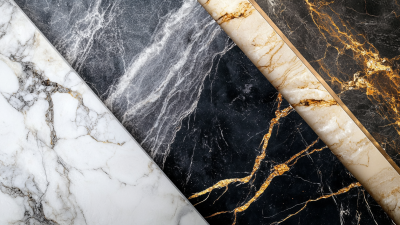
Color and pattern selection is equally important. The right choice can complement your interior design. Opt for colors that match your existing decor. Vibrant patterns can add character, but they can be overwhelming if overused.
Tips: Always request samples before making a final decision. This allows you to see how the sheet looks in your space. Remember, lighting can impact color perception.
Another factor is UV resistance. High-quality UV marbles resist fading. This is essential for sunlit areas. Research specifications on UV resistance.
Consider installation requirements too. Some sheets may need special adhesives. Understanding these needs can save you time and money. Review installation guides or hire professionals if unsure.
Evaluating Durability and Maintenance of UV Marble Sheet PVC Materials
When evaluating the durability of UV marble sheet PVC materials, it is crucial to consider factors such as scratch resistance and UV stability. These sheets often undergo various environmental conditions. A high-quality UV marble sheet should resist fading and discoloration, especially in sunlight.
Regular maintenance contributes to the longevity of these materials. Cleaning with gentle detergents can prevent damage. However, some users find it challenging to maintain a pristine look. Stains may persist despite efforts, prompting users to rethink their cleaning methods.
It’s essential to assess how these materials withstand everyday wear and tear. While they may initially appear robust, time can reveal vulnerabilities. Regular checks for cracks or surface dullness could save substantial costs later. Balancing beauty and practicality in choosing UV marble sheet PVC is vital. Always reflect on the long-term implications of your materials.
Comparing Cost Efficiency and Aesthetics of UV Marble Sheet PVC Options
When considering UV marble sheet PVC for your projects, aesthetics and cost efficiency are crucial. According to a report by the National Association of Home Builders, the appearance and durability of materials directly impact property value. UV marble sheet PVC provides a high-end look while remaining affordable compared to natural stone alternatives. The cost can vary from $2.50 to $5.00 per square foot, making it a popular choice for many renovations.
Tip: Look for materials with UV resistance to maintain their shine and color over time. Many budget options may fade more quickly, leading to increased replacement costs in the long run.
A comparison of aesthetics reveals that UV marble sheet PVC offers a wide range of designs and finishes. Research shows that over 60% of homeowners prefer materials that mimic natural stone. This preference highlights the demand for products that balance beauty and feasibility. However, not all PVC sheets are created equal. Some may lack the depth and texture of real marble.
Tip: Always request samples before making a bulk purchase. This small step can prevent costly mistakes. Take time to evaluate the finish and feel of the product against your design goals. The right choice enhances visual appeal while optimizing project budgets. Remember, it's all about finding that balance between cost and beauty.
Exploring Installation Techniques and Best Practices for UV Marble Sheet PVC
When it comes to installing UV marble sheet PVC, several techniques elevate the final outcome. Proper surface preparation is crucial. Ensure the base is clean and dry before laying the sheets. According to a 2022 study by the Architectural Research Institute, improper surface conditions can lead to a 30% increase in installation failures.
Adopting the right adhesive is vital. Many experts recommend using a solvent-based adhesive for better durability. Some installations reported issues with peeling after a few months when using water-based options. The ideal method involves applying adhesive evenly and allowing it to become tacky before pressing the sheets down.
Tip: Always test a small area first. This will help you gauge how the adhesive reacts with the material.
Moreover, consider the installation environment. Humidity and temperature significantly affect adhesion. A stable environment ensures the longevity of your project.
Tip: Work during moderate temperatures. Extreme heat or cold can make handling difficult.
Finally, cutting techniques matter. Using a fine-toothed saw will lead to smoother edges. However, precision is key; even a slight miscalculation can result in gaps that detract from the overall appeal. Aim for accuracy, as minor errors can lead to a compromised finish.

 Hot Selling