2026 How to Choose Wpc Exterior for Your Next Project?
When considering WPC exterior materials for your next project, understanding the benefits and challenges is crucial. Wood-Plastic Composites (WPC) are gaining popularity in the construction industry. Recent reports indicate that the global WPC market is expected to grow significantly, reaching approximately $10 billion by 2026. This growth highlights the interest in sustainable and durable building solutions.
WPC exterior offers versatile design options, combining aesthetics with longevity. However, not all WPC products are equal. Quality varies, impacting performance and lifespan. For instance, some budget options might fade or warp over time, while premium products maintain their integrity. An informed choice requires attention to product specifications and manufacturer credibility.
As you dive into the selection process, remember that innovation also comes with its hurdles. There can be variations in material composition and environmental impact among different brands. Evaluating these factors can lead to both successful applications and frustrating experiences. Thorough research and expert advice will guide you towards the right WPC exterior for your needs.
Understanding WPC and Its Benefits for Exterior Projects
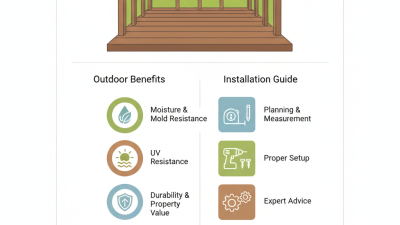
Wood Plastic Composite (WPC) has gained popularity for its durability and aesthetic appeal in exterior projects. Industry reports indicate that the WPC market is expected to grow significantly, reaching a valuation of approximately $9.5 billion by 2026. This surge is due to WPC's resistance to weathering, making it an ideal choice for outdoor applications. Unlike traditional wood, WPC withstands moisture and UV rays, reducing maintenance costs and time over the years.
Another advantage of WPC is its sustainability. The materials used in WPC are often recycled, making it an eco-friendly option. According to a study by the American Association of Plastics Engineers, using recycled content can contribute to reducing the carbon footprint of construction projects. However, it is essential to consider that not all WPC products are created equal. Quality varies, and consumers should research product specifications carefully. Some materials might lack the strength needed for structural applications, which can lead to premature wear and tear.
WPC can mimic the appearance of natural wood, providing aesthetic benefits without the downsides of rot. However, variations in color and texture may occur. This can be a concern for designers seeking a uniform look. Users should also be aware of potential slip hazards when WPC gets wet. This aspect necessitates careful design consideration, particularly in high-traffic outdoor areas. Balancing aesthetic needs with practical performance is crucial in any WPC project.
Benefits of WPC for Exterior Projects
Key Factors to Consider When Choosing WPC Materials
When choosing WPC materials for your next project, several key factors must be evaluated carefully. Durability is paramount. WPC, or wood-plastic composite, is designed to withstand varying weather conditions. It resists moisture, rot, and pests. However, not all WPC products offer the same level of durability. Check the specifications and test reports to ensure you choose a reliable option.
Aesthetic appeal is another critical consideration. WPC comes in various colors and finishes. Think about the overall design theme of your project. Some materials mimic the look of natural wood more convincingly than others. It's essential to view samples in natural lighting before making a decision. A visually appealing material can elevate the value of your project significantly.
Additionally, consider maintenance needs. While WPC requires less upkeep than traditional wood, some products may fade or scratch over time. Understanding the long-term maintenance requirements will help avoid future surprises.
Lastly, ensure that the materials comply with local building codes and environmental regulations. Always source WPC from reputable suppliers to ensure you are getting high-quality materials.
Comparing WPC with Traditional Exterior Materials
When considering materials for exterior projects, WPC (Wood Plastic Composite) and traditional options stand out. WPC blends wood fibers with plastic, producing a durable, water-resistant material. This is crucial for areas with heavy rain or moisture. In contrast, traditional wood requires consistent maintenance, which can be time-consuming. Many homeowners find that WPC reduces their long-term upkeep significantly.
Traditional materials often offer aesthetic charm. They provide a natural look that some prefer. Yet, they are prone to issues like rot and splintering. This can result in costly repairs and replacements. On the other hand, WPC maintains its appearance without fading quickly. It does not splinter, making it safer for families and pets.
There are trade-offs to consider. WPC can be less visually appealing to some compared to seasoned wood. Additionally, not all WPC products perform the same in heat or cold. Every project has unique requirements and finding the right material can be challenging. Evaluating the specific needs of your project is essential for an informed decision.
Design and Aesthetic Options for WPC Exteriors
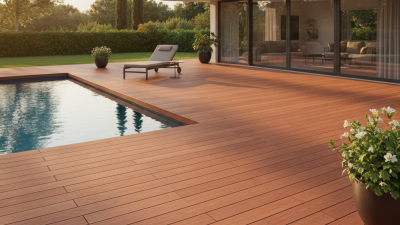
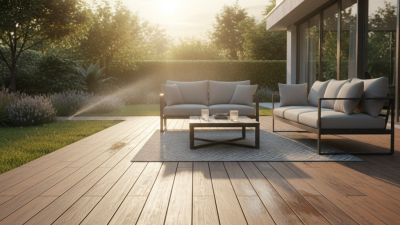
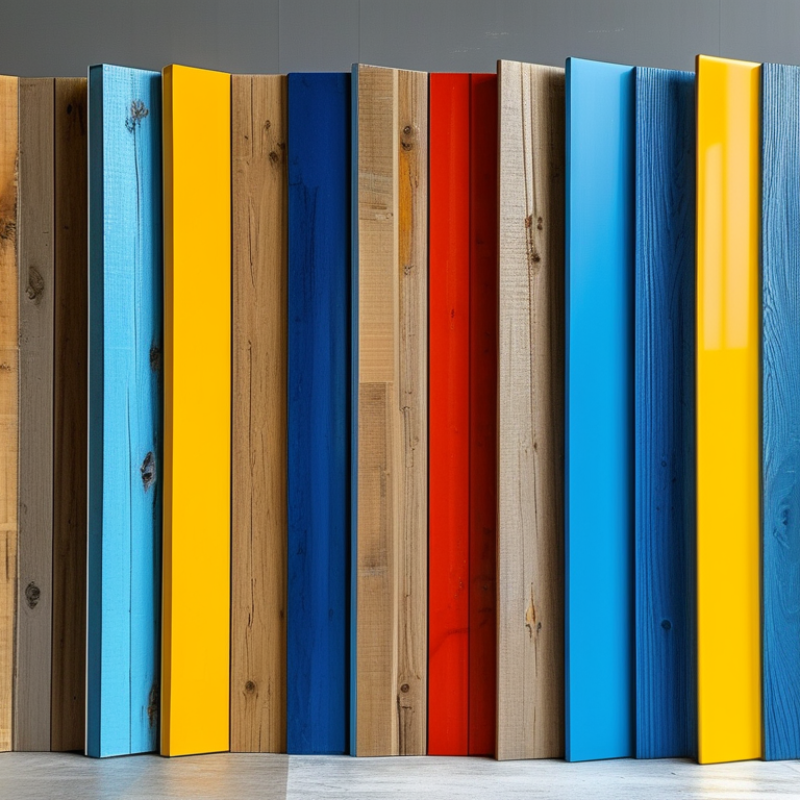
When considering WPC (Wood Plastic Composite) for your exterior projects, aesthetic options play a pivotal role. WPC comes in various textures and finishes, mimicking the look of natural wood while ensuring durability. Choose from smooth, brushed, or embossed surfaces to achieve your desired effect. Colors range from deep browns to light grays and even vibrant hues. Each color can evoke a distinct mood or style, enhancing the overall appeal of your property.
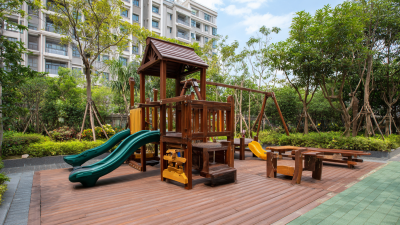
Design flexibility is another advantage of WPC exteriors. They can be tailored to fit modern, rustic, or contemporary designs. You can use WPC for decks, fences, siding, or even decorative elements. However, achieving a seamless look requires careful planning. Consider the surrounding environment and architectural styles. Pay attention to how the materials interact with light. Shadows and reflections can alter perceptions of color and texture throughout the day.
While WPC is a versatile choice, it’s essential to reflect on your selections. Some colors may fade over time, depending on sun exposure. This factor could change the intended aesthetic of your project. Additionally, the initial cost of WPC may be higher than traditional materials, so consider long-term benefits versus short-term expenditures. Making informed choices on design and aesthetic options ensures your project not only stands out but also meets practical needs.
Maintenance and Longevity of WPC in Outdoor Applications
When considering WPC (wood-plastic composite) for outdoor applications, maintenance and longevity are crucial factors. Studies show that WPC materials can last up to 25 years with proper care. Their resistance to rot, insects, and mold makes them suitable for various outdoor uses. However, some users report that inadequate cleaning can lead to discoloration and surface damage over time.
Regular maintenance is essential for preserving WPC's appearance and functionality. Cleaning with soap and water can prevent the buildup of dirt and grime. Avoid using harsh chemicals, as they may degrade the material. Data from industry reports highlight that routine maintenance can extend the lifespan of WPC by several years.
To maximize the longevity of your WPC, consider its installation environment. Extreme weather conditions can affect performance. Ensure proper ventilation and drainage to prevent water pooling. When selecting WPC products, look for those with warranties of at least ten years, as this indicates manufacturer confidence in quality. Regular inspections can help catch any damage early, ensuring your investment remains intact for years to come.

 Hot Selling