How to Choose the Best WPC Wall Cladding for Your Project?
Choosing the right WPC wall cladding for your project can be challenging. This decision significantly impacts both aesthetics and functionality. WPC, or wood-plastic composite, is a popular choice for various applications. It combines the warmth of wood with the durability of plastic. However, not all WPC wall cladding products are created equal.
When selecting WPC wall cladding, consider factors like quality, design, and installation methods. There are many options available in the market. Some offer a natural wood look, while others provide vibrant colors. Evaluate your project's specific needs and budget. It's crucial to gather information from credible sources to make an informed choice.
WPC wall cladding can enhance the visual appeal of any space. However, trends and preferences change rapidly. Reflect on your long-term goals. Will the chosen style still appeal to you in a few years? A thoughtful approach can help avoid costly mistakes in the future. Ensure that your selection aligns with both functionality and design aspirations.
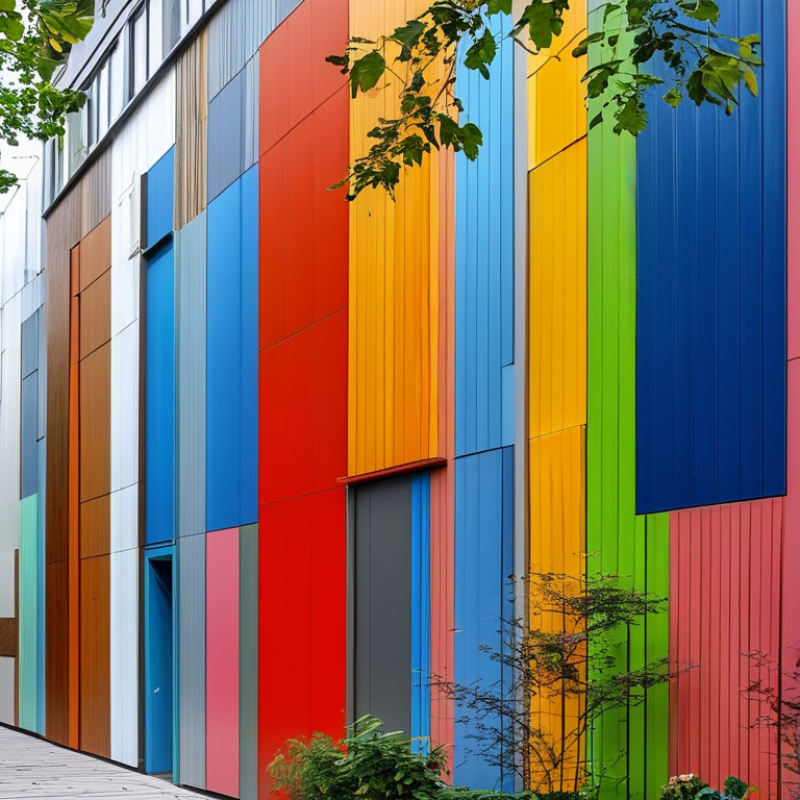
Understanding WPC Wall Cladding: Definition and Benefits
WPC wall cladding, or Wood Plastic Composite wall cladding, combines wood fibers and plastic. This mixture offers a sustainable alternative to traditional materials. It is popular for both residential and commercial projects due to its versatility.
One significant benefit of WPC wall cladding is its durability. It resists moisture, pests, and weather wear. This makes it suitable for various climates. Additionally, maintenance is minimal compared to natural wood. A simple wash with soap and water often suffices. However, some users report issues with fading over time, particularly in direct sunlight.
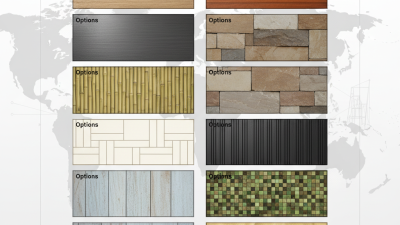
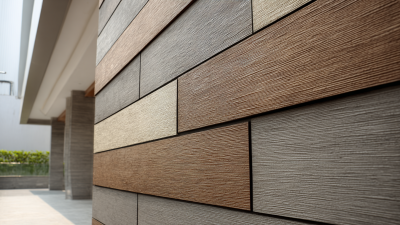
The aesthetic appeal of WPC cladding cannot be overlooked. It comes in various textures and colors, mimicking natural wood's look. This allows homeowners and designers to create unique spaces. Yet, some may find the appearance less authentic. This feedback highlights the importance of making informed choices. Consider your specific project needs when selecting materials.
Key Factors to Consider When Choosing WPC Wall Cladding
When selecting WPC wall cladding, several critical factors come into play. First, consider the composition. WPC, or wood–plastic composite, blends wood fibers with plastic, offering durability and low maintenance. Reports indicate that WPC can withstand moisture much better than traditional wood, reducing the risk of rot and decay. The right blend and manufacturing process can enhance resilience against weather elements.
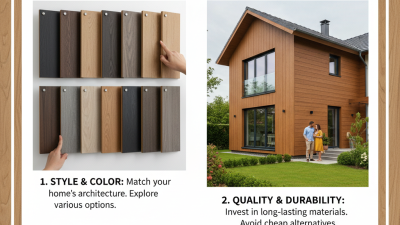
Next, focus on the design and aesthetics. WPC wall cladding comes in various colors and textures, allowing for personalized style choices. A well-chosen design can significantly enhance property value. According to industry studies, properties with attractive exteriors can see a price increase of up to 10-15%. Yet, it's crucial to strike a balance between aesthetics and practicality. Some finishes may require more upkeep than expected.
Don't overlook the environmental impact. Many WPC products now boast eco-friendly attributes, even using recycled materials. However, ensuring the product is sourced from reputable manufacturers is essential. Regulatory bodies often provide certification standards, which can help in making informed decisions. Yet, be wary; not all certifications hold the same weight. Critical research is necessary.
Comparing WPC Wall Cladding Options: Material, Appearance, and Durability
When selecting WPC wall cladding, consider three essential factors: material, appearance, and durability. WPC, or wood-plastic composite, blends wood fibers with plastic, creating a versatile material for outdoor and indoor applications. The choice of material affects longevity, maintenance, and overall aesthetic.
Appearance plays a crucial role in enhancing the visual appeal of your project. Various finishes are available, mimicking natural wood or offering vibrant colors. Remember, not all finishes are created equal. Some may fade or become discolored over time. It’s essential to assess color retention and wear patterns in real-world conditions.
Tips: Always review samples in natural light before finalizing your choice. This ensures you understand how colors change under different lighting. Durability should also not be overlooked. Higher-quality WPC materials generally provide better resistance to weather and insects. Yet, some cladding options may show wear faster than others. Regular maintenance is necessary to keep them looking their best.
In conclusion, thoroughly evaluate each option based on these criteria. This careful consideration will lead to a well-informed decision that meets your project's needs.
Comparing WPC Wall Cladding Options: Material, Appearance, and Durability
Installation and Maintenance Tips for WPC Wall Cladding
When considering WPC (Wood-Plastic Composite) wall cladding, installation is a crucial factor. Proper installation ensures durability and enhances aesthetics. Begin by preparing the wall surface. This should be clean, dry, and level. If you’re working outdoors, consider moisture resistance. Some might skip this step, resulting in future complications like water damage.
For securing the panels, pre-drill holes to prevent splitting. Use the right fasteners, paying attention to the spacing between each panel. This contributes to the long-term stability of the cladding system. Many overlook these details, leading to warping or misalignment later on.
Maintenance of WPC wall cladding requires regular cleaning. Use soap and water for routine care. Watch for signs of mold or mildew. If neglected, these can affect the cladding’s appearance. Also, inspect joints periodically; loose panels can cause bigger issues over time. Addressing these concerns early can save costly repairs later. It's essential to reflect on these tips to achieve the best results in your project.
How to Choose the Best WPC Wall Cladding for Your Project? - Installation and Maintenance Tips for WPC Wall Cladding
| Feature |
Description |
Maintenance Tips |
| Material Composition |
Made from wood fibers and recycled plastic, providing durability and eco-friendliness. |
Regular cleaning with soapy water to remove dirt and debris. |
| Weather Resistance |
Resistant to moisture, UV rays, and temperature fluctuations. |
Inspecting for any signs of wear or damage after extreme weather conditions. |
| Installation Ease |
Can be installed using standard tools; lightweight material simplifies the process. |
Following the manufacturer's installation guidelines closely for optimal results. |
| Aesthetic Variety |
Available in a range of colors and finishes to suit different designs. |
Choosing a color that complements your overall design and landscaping. |
| Cost-effectiveness |
Affordable compared to traditional wood and offers lower maintenance costs. |
Budgeting for both installation and occasional maintenance tasks. |
Cost Analysis: Budgeting for WPC Wall Cladding Projects
When budgeting for WPC wall cladding projects, it’s essential to understand the various cost factors involved. Start with material prices, which can vary widely. Generally, the cost of WPC wall cladding ranges from $2 to $7 per square foot. However, factors like design complexity and installation requirements can drastically change the budget. For large projects, this price difference can lead to significant total cost variations.
Tips: Consider buying in bulk. This strategy often leads to discounts. Keep an eye on seasonal sales, as prices can fluctuate.
Installation costs also play a crucial role in your budget. Hiring experienced professionals ensures a high-quality finish but can be costly. Labor fees often add 50% or more to your total budget. DIY options exist but require skills and care. Mistakes in installation can lead to further costs down the line.
Tips: Always get multiple quotes from contractors. This process helps you understand the market rate and can save you money. Reflect on your skill level—do you really want to handle installation yourself?

 Hot Selling