What is Fluted Wall Panels and Why Choose Them?
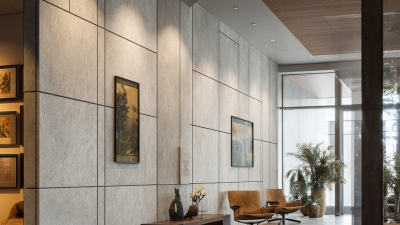
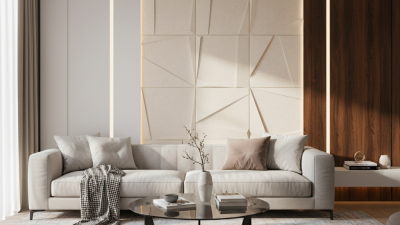
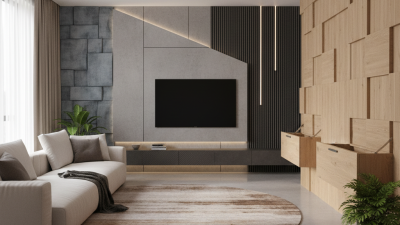
Fluted Wall Panels offer a unique aesthetic that can elevate any interior space. These panels feature vertical grooves, creating a bold texture and visual interest. Whether in homes or commercial settings, they bring a sophisticated appeal that's hard to ignore.
Choosing Fluted Wall Panels has practical benefits. They can enhance acoustics and improve insulation, adding functionality to their striking design. Additionally, these panels are often made from sustainable materials, making them an eco-friendly choice. Their versatility allows for a range of finishes and styles, fitting different tastes and preferences.
However, not all Fluted Wall Panels may suit your design vision. Some may find the maintenance aspect challenging. It’s worth considering the right materials to avoid future issues. This reflection ensures that your choice in wall panels will serve you well for years to come. The right design can transform spaces, but it requires thoughtful consideration.
What Are Fluted Wall Panels?
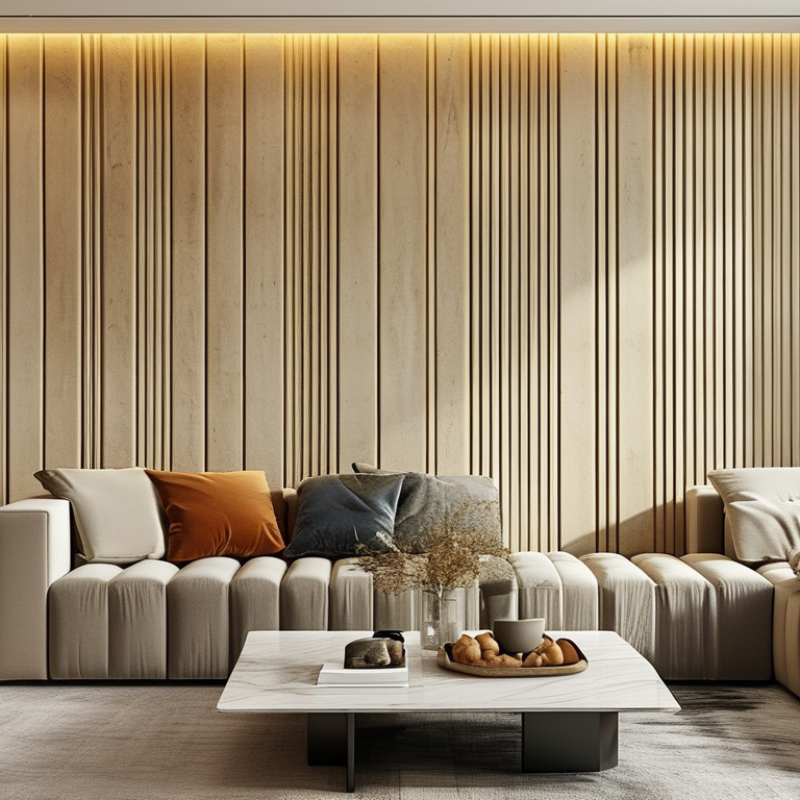
Fluted wall panels are a versatile design element increasingly popular in modern architecture. These panels feature vertical grooves that create a striking three-dimensional effect. They can be used in residential and commercial spaces, enhancing both aesthetics and acoustics. According to a report from the World Interior Design Network, fluted panels help reduce ambient noise in spacious areas by absorbing sound waves.
The materials used for fluted wall panels vary widely, from wood to engineered composites. This variety provides homeowners and designers with numerous options for finishes and textures. Research from the Architectural Research Institute suggests that using fluted panels can improve overall wall insulation. The thermal efficiency gained can lead to lower energy costs over time.
While fluted wall panels offer many advantages, there can be challenges in maintenance. Dust and grime can accumulate in the grooves, requiring regular cleaning. Additionally, improper installation may lead to warping or cracking. These imperfections highlight the importance of skilled labor and quality materials in achieving the desired look and performance.
Historical Overview of Fluted Wall Panels
Fluted wall panels have a rich history that dates back to ancient architecture. Initially popular in Greek and Roman designs, fluted patterns served both aesthetic and functional purposes. They added texture and depth, enhancing the visual appeal of structures. According to a recent industry report, decorative wall panels like these are experiencing a resurgence, with predicted growth rates of 5% annually through 2026. This suggests a strong appreciation for historical design elements in modern interiors.
Historical records show that fluted designs were not just decorative. They often supported structural integrity by dispersing weight more evenly. Roman columns, for instance, used fluting for both strength and beauty. This design practice influenced the development of later architectural styles. Contemporary designers now embrace these principles, adapting them for modern environments. A survey indicated that 72% of architects cited aesthetic value as a primary motivator for using textured wall panels.
However, not all applications of fluted wall panels are flawless. Some installations can create unnecessary shadows or uneven light distribution, which may be undesirable in certain settings. Modern manufacturing techniques, although advanced, can sometimes fail to capture the original intent of these designs. It’s essential for designers to reflect on these aspects when integrating fluted panels into their projects. Balancing historical significance with modern functionality continues to pose a challenge in design practices today.
What is Fluted Wall Panels and Why Choose Them? - Historical Overview of Fluted Wall Panels
| Year |
Event |
Significance |
Design Style |
| Ancient Greece |
Introduction of Fluted Columns |
Fluted designs began to symbolize elegance and stability. |
Classical |
| Renaissance (15th Century) |
Revival of Fluted Styles in Architecture |
Architects incorporated fluted designs to create grandeur. |
Renaissance |
| 19th Century |
Fluted Wall Panels Become Popular |
Used in both domestic and public buildings for aesthetic enhancement. |
Victorian |
| 20th Century |
Modern Interpretations and Materials |
Innovative designs in materials like fiberglass and plastics. |
Modernism |
| 21st Century |
Sustainable Designs using Fluted Wall Panels |
Focus on eco-friendly materials while maintaining aesthetic appeal. |
Contemporary |
Benefits of Choosing Fluted Wall Panels
Fluted wall panels are becoming increasingly popular in interior design. Their textured surfaces add depth and dimension to any space. These panels offer a unique aesthetic that can transform a room from plain to striking. The vertical grooves catch light differently, enhancing the visual appeal. This play of light creates an interesting atmosphere, making walls a focal point in your home or office.
Choosing fluted wall panels also brings practical benefits. They can help with sound insulation, reducing noise between rooms. This feature is especially beneficial in busy environments. Additionally, fluted panels can hide imperfections and irregularities on walls, providing a cleaner look. Their durability makes them a sound investment, as they resist scratches and dents better than traditional options.
While fluted wall panels offer many advantages, installation can be tricky. It requires precision to align the grooves correctly. Professional help might be needed to ensure a flawless finish. Maintenance is another aspect to consider. Regular cleaning is essential to keep their beauty intact. Despite these challenges, the overall impact of fluted wall panels on design is undeniable, creating spaces that are not only functional but also visually stunning.
Applications of Fluted Wall Panels in Interior Design
Fluted wall panels have increasingly found their way into modern interior design. Their unique textures offer depth and visual interest that can transform any space. Often made from materials like wood, MDF, or vinyl, these panels deliver both style and functionality. They can serve as statement pieces in a room, drawing the eye and enhancing the overall ambiance.
Applications for fluted wall panels are numerous. They work beautifully in living rooms, accent walls, and even dining areas. They can create a warm atmosphere with wood finishes or a sleek, modern vibe with more contemporary materials. In commercial settings, fluted panels can add a touch of sophistication to offices or restaurants. They help to define spaces while providing sound absorption, improving acoustics in larger areas.
Tip: When choosing fluted wall panels, think about the colors and textures that match your existing decor. The contrast can create a striking effect.
Another consideration is placement. Highlighted areas like a fireplace or behind a bed work best. However, panels can feel overwhelming in small spaces, so consider their scale. Reflect on the balance between elegance and practicality in your design choice.
Tip: Don’t shy away from experimenting with lighting. Backlighting fluted panels can add an ethereal glow, enhancing the beauty of their design.
Maintenance and Care for Fluted Wall Panels
Fluted wall panels have gained popularity for their unique aesthetic and functional benefits. However, proper maintenance is crucial for longevity. According to a recent industry report, up to 30% of wall panel issues arise from inadequate care. Regular cleaning with a soft cloth can prevent dirt buildup. Using a gentle soap solution is often recommended, as harsh chemicals can damage the finish.
Humidity levels impact fluted wall panels as well. Maintaining relative humidity between 30% and 50% is ideal. Too much moisture can lead to warping or mold growth. Homeowners should regularly check for leaks and address them promptly. It's easy to overlook, but even minor water damage can escalate quickly.
Occasional inspections for scratches or dents are essential too. While many panels are durable, they are not impervious to damage. Touch-up paint is a useful tool in the maintenance kit. It can help preserve the aesthetic and integrity of the paneling. Remember, neglecting these small issues now can lead to more significant repairs later.

 Hot Selling