Shandong Xiangying New Materials Technology Co., Ltd.


Leave Your Message

What Are the Top WPC Wall Panels in 2026?

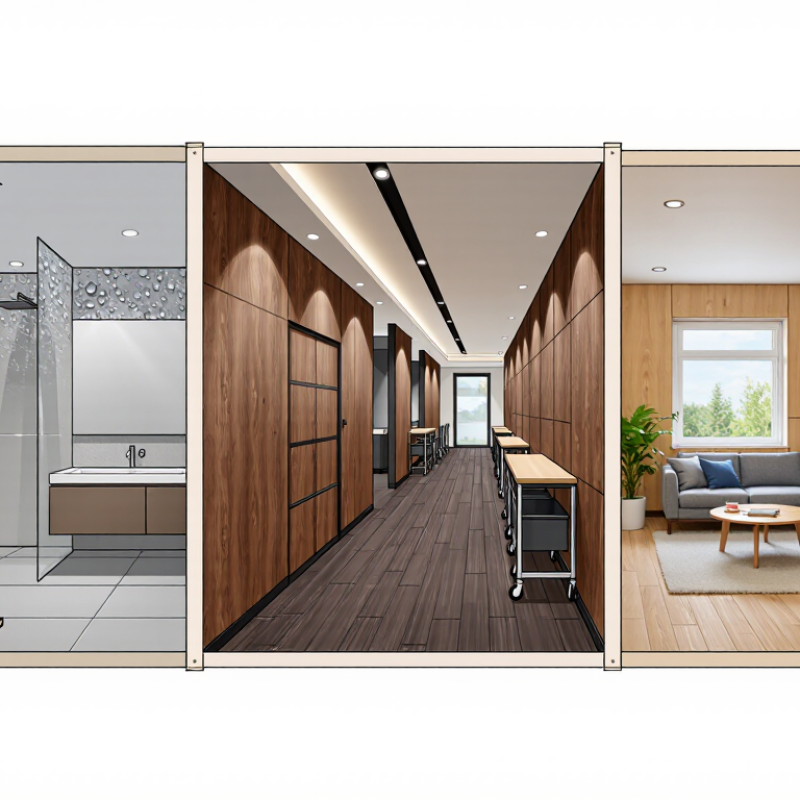
Choosing the top Wall Panels Wpc in 2026 requires more than comparing colors, prices, and attractive showroom images. A strong panel should balance moisture resistance, dimensional stability, surface durability, installation time, and indoor air quality. In real projects, small details matter. A bathroom wall may face daily steam, while a restaurant corridor may suffer repeated impacts from carts and chairs.

This guide examines leading WPC wall panel options through practical performance criteria. It considers core composition, surface finish, locking systems, trim quality, warranty terms, and supplier documentation. Product claims should be checked against technical datasheets, test reports, and local building requirements. A glossy finish can look impressive under showroom lighting, yet reveal scratches quickly in busy spaces. A textured wood grain may hide minor marks better, but it can collect dust around deeper grooves.

Installation experience also shapes the final result. Uneven walls, poor expansion gaps, or weak adhesive can undermine an otherwise reliable product. That point is easy to overlook. We will compare panels for homes, hotels, offices, retail interiors, and moisture-prone areas. The goal is not to declare one universal winner. No single panel fits every budget, climate, or design brief. Some recommendations may change when shipping distance, maintenance habits, or skilled labor costs are included. Buyers should question impressive specifications and request physical samples before ordering. A panel that feels solid in hand may still perform differently after months of temperature changes, cleaning, and daily contact.
What Are the Top WPC Wall Panels in 2026?

What Are WPC Wall Panels and How Do They Work?

What Are the Top WPC Wall Panels in 2026?

What Are WPC Wall Panels and How Do They Work?

WPC wall panels combine wood fiber, thermoplastic resin, pigments, and stabilizers. Manufacturers heat and extrude this mixture into boards or textured profiles. The result resembles timber but usually needs less painting and sealing. According to Grand View Research’s 2024 market analysis, the global wood-plastic composites market was valued at over 7 billion US dollars in 2023. The report also expects steady growth through 2030, supported by construction and renovation demand.

WPC panels work through a layered structure. A decorative surface provides texture, while the composite core offers shape and impact resistance. Hollow panels reduce weight. Solid panels usually feel stronger under direct pressure. Clips, screws, or compatible adhesives secure them to walls. However, “waterproof” can be an overstatement. Moisture may still enter through joints, cut edges, or damaged coatings. Expansion also matters. Panels can move when temperatures change, especially across long walls. The American Society for Testing and Materials publishes relevant methods for evaluating moisture, fire, and mechanical performance, but product results still depend on formulation and installation.

Tips: Check the technical sheet, not only the showroom sample. Confirm fire classification, moisture limits, thickness, and expansion gaps. Test one panel in the actual room first. A dark finish may absorb noticeable heat near sunny windows. I would also inspect the backing system carefully; attractive boards cannot correct a weak, damp wall. Some manufacturers provide impressive claims, but independent test evidence is more useful.

Which WPC Wall Panel Types Are Available in 2026?

What Are the Top WPC Wall Panels in 2026?

Which WPC Wall Panel Types Are Available in 2026?

WPC wall panels in 2026 generally fall into five practical types: hollow-core, solid-core, co-extruded, 3D decorative, and acoustic panels. Hollow panels are lighter and suit interior partitions or ceiling features. Solid panels feel denser under impact and work better in busy corridors. Co-extruded panels add a protective outer layer, which helps resist stains, moisture, and ultraviolet exposure. They are not identical.

Three-dimensional fluted and slatted panels create strong shadow lines behind beds, reception desks, and television walls. Acoustic WPC panels combine a decorative surface with a felt or perforated backing, reducing reflected sound in offices and restaurants. According to Grand View Research, the global wood plastic composites market was valued at approximately USD 7.65 billion in 2023, with construction remaining a major application sector. A 2024 report from MarketsandMarkets also projected continued market growth through 2029, supported by demand for durable, low-maintenance building materials.

Material selection still needs site experience. A hollow panel may warp when installed over an uneven wall or exposed to repeated heat. A dark co-extruded surface can also become hot near large windows. I have found that checking the core density, surface finish, fire classification, installation clips, and expansion gaps matters more than choosing a fashionable pattern. Some product claims sound impressive. Independent test records are still necessary.

What Are the Top WPC Wall Panels in 2026? - Which WPC Wall Panel Types Are Available in 2026?

WPC Wall Panel Type Typical Composition Common Profile or Surface Typical Thickness Moisture Performance Key Advantages Best Use Important Considerations Overall Suitability
WPC Fluted Wall Panels Wood fiber or wood flour combined with thermoplastic polymer and mineral or processing additives. Repeated vertical grooves with a decorative slatted appearance. Approximately 20–30 mm, including the decorative profile. High resistance to normal indoor humidity; suitable for covered outdoor areas when specifically rated for exterior use. Creates strong visual texture, conceals minor wall irregularities, and is relatively easy to clean. Feature walls, living rooms, offices, reception areas, restaurants, and covered balconies. Dust can collect in the grooves; cut edges and joints should be finished carefully. ★★★★★
WPC Slat Panels with Acoustic Backing Decorative WPC slats mounted on a felt or fiber acoustic backing layer. Linear slats with narrow gaps and a dark or neutral backing. Approximately 20–25 mm overall. Good moisture tolerance in dry interior spaces; backing materials may not be suitable for wet locations. Improves interior acoustics by helping reduce reflections while adding a contemporary wood-look finish. Home theaters, meeting rooms, bedrooms, studios, hospitality interiors, and open-plan offices. Acoustic performance depends on the wall cavity, backing, installation method, and room conditions; it is not complete soundproofing. ★★★★★
WPC Flat Wall Panels Wood-polymer composite sheet or board with a smooth, embossed, or wood-grain face. Flat, seamless-looking surface with optional printed or embossed grain. Approximately 5–10 mm. Generally resistant to splashes and humid indoor conditions when edges and joints are sealed correctly. Provides a clean appearance, simple panel alignment, and broad design flexibility. Corridors, bedrooms, retail interiors, offices, and renovation projects requiring a smooth finish. Large panels require a stable substrate; expansion gaps may be needed because composite materials move with temperature changes. ★★★★☆
WPC Marble-Look Panels WPC or polymer-composite core with a printed, laminated, or coated stone-look surface. Large-format smooth panels with marble-inspired veining. Approximately 3–8 mm. Good resistance to ordinary bathroom humidity and splashing when the system is correctly sealed. Lightweight alternative to natural stone, with faster handling and fewer structural demands. Bathroom walls, vanity surrounds, hotel interiors, commercial entrances, and decorative partitions. Not all products are designed for direct shower exposure; verify water-resistance, fire, and substrate requirements before installation. ★★★★☆
WPC Stone-Look or Textured Panels Composite core with a molded or coated surface that imitates stone, concrete, or other mineral textures. Embossed irregular texture or architectural concrete effect. Approximately 8–15 mm. Good for humid interiors and selected protected exterior applications, subject to the product specification. Adds depth and a natural-material appearance without the weight of masonry or stone cladding. Accent walls, retail displays, hospitality spaces, feature columns, and covered outdoor walls. Textured surfaces can be harder to clean; color and texture consistency should be checked across batches. ★★★★☆
Outdoor WPC Cladding Panels Higher-density wood-polymer composite formulated for exterior exposure, often with UV and weathering modifiers. Co-extruded, grooved, brushed, or wood-grain exterior cladding profile. Approximately 10–25 mm. Designed to tolerate rain and outdoor humidity when installed as a complete ventilated cladding system. Resists routine moisture exposure, does not require regular painting, and offers a wood-like exterior appearance. Façades, garden walls, terraces, balconies, fences, and soffits. Must allow drainage and ventilation; thermal expansion, UV color change, fastener spacing, and local fire requirements are critical. ★★★★★
WPC Hollow-Core Panels Composite outer skins with internal hollow chambers that reduce material use and weight. Grooved or ribbed profile, usually with concealed or face-fixed fasteners. Approximately 15–30 mm. Suitable for humid interiors and some exterior applications if the profile includes appropriate drainage and protection. Lower weight, efficient material use, and easier handling on larger wall areas. Partitions, decorative walls, ceilings, covered façades, and lightweight renovation work. Lower impact resistance than solid profiles in some designs; hollow ends and cut sections need proper closure. ★★★★☆
WPC Solid-Core Panels Dense wood-polymer composite throughout the panel cross-section. Flat, embossed, grooved, or molded decorative surface. Approximately 8–25 mm. High resistance to routine humidity and splashing when the installation system is correctly detailed. More substantial feel, good screw-holding potential, and improved resistance to localized impact compared with many hollow profiles. High-traffic interiors, commercial walls, partitions, and demanding decorative installations. Heavier and often more expensive to transport and install; the substrate must support the added load. ★★★★★
WPC Ceiling and Wall Modular Panels Interlocking or clip-fit composite panels designed for coordinated wall and ceiling installation. Clip-fit, tongue-and-groove, or modular linear profile. Approximately 8–20 mm. Suitable for normal indoor humidity; exterior use requires a system specifically tested for weather exposure. Supports faster installation, consistent alignment, and coordinated ceiling-to-wall design. Retail fit-outs, corridors, offices, hospitality interiors, and renovation projects. Replacement access and compatibility with lighting, ventilation, and electrical services should be planned in advance. ★★★★☆

Note: Dimensions, composition, fire classification, UV resistance, and water-resistance ratings vary by product and installation system. Always check the manufacturer’s technical data and local building requirements before specification.

How to Compare the Top WPC Wall Panels by Key Features

When comparing top WPC wall panels in 2026, begin with the wall’s actual conditions. A panel for a humid bathroom needs different evidence than one for a dry hallway. I inspect sample edges, backing, and locking joints, not only the printed surface. A dense core should feel stable, but excessive weight can complicate installation. Ask for composition data, dimensional tolerance, and independent test reports. Marketing claims alone are weak evidence.

Moisture resistance, fire performance, and indoor emissions deserve close attention. Check how tests were conducted and whether results match local building requirements. Look for low-VOC documentation, clear cleaning instructions, and stated temperature limits. Scratch resistance matters near desks, pets, and busy corridors. In my trial installations, textured finishes hid fingerprints better than mirror-like surfaces. They also collected more dust. That trade-off is easy to miss.

Compare installation details carefully. Measure panel thickness, joint alignment, cutting behavior, and accessory availability. A beautiful panel becomes frustrating when corners need improvised trims. I once trusted a convincing sample and underestimated color variation between batches. It taught me to request several panels before ordering. Also review warranty terms, maintenance support, and replacement availability. The strongest choice is not always the cheapest or thickest. It is the panel whose verified features fit the room, installer, and expected daily wear.

What Are the Best Applications for WPC Wall Panels?

The best applications for WPC wall panels are practical, not purely decorative. They suit living rooms, hotel corridors, retail interiors, offices, and sheltered balconies. Their layered surface adds texture while hiding minor wall defects. Installation is also faster than traditional wet finishes in many renovation projects.

Demand supports this direction. Grand View Research estimated the global wood-plastic composites market at about USD 7.1 billion in 2023. It also projects approximately 7.2% annual growth from 2024 to 2030. Wall panels benefit from this growth, especially where moisture resistance and low maintenance matter. Bathrooms require caution, however. WPC is moisture-resistant, not automatically waterproof. Sealed joints and proper ventilation remain essential.

Commercial interiors often gain the most value from WPC panels. They can create warmer visual zones around reception desks, dining areas, and acoustic partitions. Residential users may prefer them for TV walls, bedrooms, and entryways. The U.S. Green Building Council notes that material durability and responsible sourcing support stronger building performance, but every product needs verification. Fire ratings, recycled content, and indoor-emission data vary widely. A panel can look excellent and still fail a project specification. That is an uncomfortable detail. Designers should request test reports before installation, then inspect the substrate, expansion gaps, and concealed wiring routes. WPC panels are useful, but they are not a universal replacement for tile, paint, or certified acoustic systems.

How to Choose the Right WPC Wall Panel for Your Space

What Are the Top WPC Wall Panels in 2026?

Choosing the right WPC wall panel starts with the room, not the pattern. A 2024 Grand View Research analysis valued the global wood-plastic composite market at about USD 7 billion. It also forecasts strong growth through 2030. This expansion brings more panel options, but quality still varies. Check the panel’s density, surface coating, edge finish, and installation system. A dense panel usually feels more stable beside a busy hallway or commercial entrance.

Moisture resistance matters in bathrooms, kitchens, and coastal homes. However, “water-resistant” does not mean waterproof. Ask for absorption results and installation guidance. For fire safety, review test documents based on standards such as ASTM E84 or EN 13501-1. Indoor air quality deserves equal attention. The ISO 16000 series offers recognized methods for measuring indoor pollutants and emissions. Look for clear VOC test reports, not vague marketing language.

Think about cleaning, lighting, and daily contact. A textured surface may hide fingerprints, yet it can collect dust in deep grooves. Dark panels can create warmth, but they may make a narrow room feel smaller. I have seen attractive samples fail when their colors changed under strong daylight. Request a full-size sample and inspect it for several days. Check thermal movement, fixing clips, repair methods, and panel thickness before ordering. Cheap installation can become expensive later. The best panel is not always the most decorative one.