What Is WPC Decking and Is It Worth It?
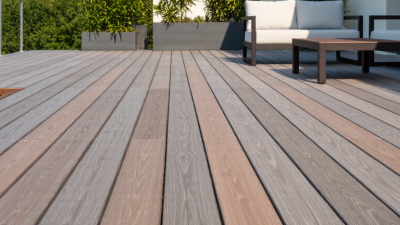
WPC Decking combines wood fibers with thermoplastics, creating boards that resemble timber without constant staining. It feels solid underfoot, but it is not simply “plastic wood.” Its performance depends on resin type, fiber content, surface design, drainage, and installation quality.
Industry data suggests steady demand. Grand View Research estimated the global wood-plastic composites market at about USD 7.1 billion in 2023, with continued growth projected through 2030. The Freedonia Group also identifies outdoor decking as a major application in North America. However, these reports measure different categories, so their figures should not be treated as identical. That distinction matters.
USDA Forest Products Laboratory researcher Nicole Stark has described WPCs as “not maintenance-free, but low-maintenance.” That practical warning deserves attention. WPC Decking usually resists rot, insects, and surface splinters better than untreated wood. Still, darker boards can become hot in direct sunlight. Furniture may leave marks. Poor ventilation can trap moisture beneath the deck.
Relevant guidance, including ASTM D7031 and ASTM D6662, supports careful testing and material evaluation. Yet standards cannot correct weak substructures or careless spacing. A reliable decision should compare lifespan, warranty terms, climate exposure, cleaning needs, and full installation cost. The cheapest board may become expensive after repairs. The most premium board may not suit every balcony, garden, or coastal site. There is no perfect material. There is only a better match for the conditions.
What Is WPC Decking and How Is It Made?
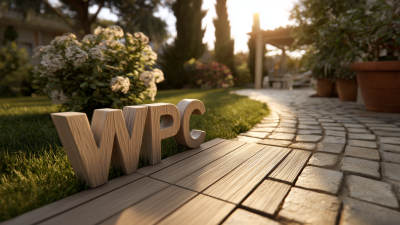
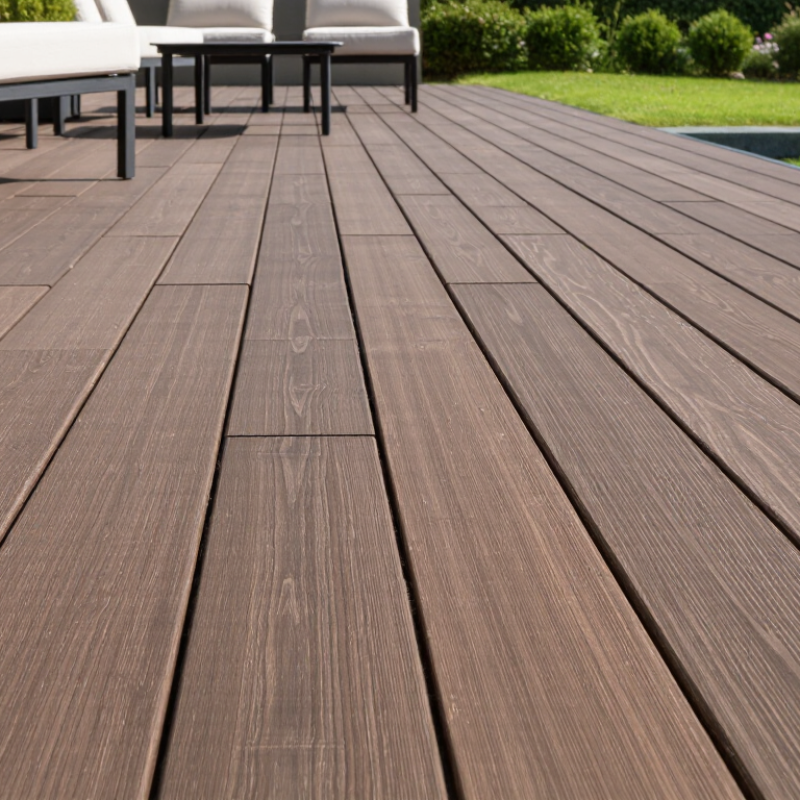
WPC decking, or wood-plastic composite decking, blends wood fibers with thermoplastics. The wood contributes texture and stiffness. The plastic helps resist moisture, insects, and surface cracking. Common plastics include polyethylene or polypropylene, although formulations vary by manufacturer.
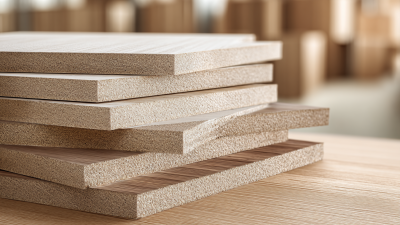
Manufacturing starts with dried wood flour or fiber. It is mixed with plastic pellets, color pigments, and stabilizers. Some products also contain recycled content. Heat softens the plastic, while controlled pressure pushes the mixture through a shaped die. This process is called extrusion. The formed board is then cooled, cut, and sometimes brushed or embossed. A protective outer layer may be co-extruded around the core. It can improve stain resistance, but it does not make the surface indestructible.
From site experience, the board feels heavier than ordinary timber and stays dimensionally consistent in damp weather. Yet it still expands and contracts with temperature. Installers need correct spacing, ventilation, and suitable fasteners. Poor airflow can trap moisture beneath the deck. Dark boards may also become hot under strong sun. That detail is easy to underestimate. WPC is not maintenance-free; sweeping and occasional washing remain necessary. I have also seen color variation between production batches, so ordering enough material at once is sensible. The exact blend matters more than the label. Ask for technical data, water absorption information, fire classification, and installation guidance before choosing a board.
Key Materials and Structural Features of WPC Decking
WPC decking combines wood fibers, thermoplastic polymers, pigments, and stabilizers. Wood fibers provide texture and stiffness. The polymer matrix limits water absorption and reduces splintering. Grand View Research estimated the global wood-plastic composites market at about USD 7.1 billion in 2023. Its forecast also indicates continued growth through 2030. This reflects demand for lower-maintenance outdoor surfaces, not proof that every board performs equally.
Its structure matters more than appearance. Solid boards usually resist impact better, while hollow boards weigh less and need careful joist spacing. Internal ribs can improve stiffness, but they may trap moisture if end caps fail. Most systems require clips, expansion gaps, and a level subframe. ASTM D7032 covers performance evaluation for wood-plastic composite decking and guardrail systems. Field experience shows that dark boards can become very hot in direct sun. Thermal movement is easy to underestimate.
Tips: Check the manufacturer’s tested span tables, not only the advertised load rating. Keep ventilation beneath the deck. Seal exposed board ends where required. Clean leaves from narrow grooves after rain. A moisture meter can reveal damp framing before visible damage appears. WPC is not maintenance-free. Annual inspection remains sensible, especially around screws, stairs, and shaded edges.
How WPC Decking Compares with Traditional Decking
What Is WPC Decking and Is It Worth It?
WPC decking combines wood fiber with recycled or virgin plastic. Its surface usually resists rot, insects, and moisture better than ordinary timber. Traditional wood feels warmer underfoot and can look more natural. It also accepts stains and paint, which helps with design changes. WPC usually needs soap, water, and occasional cleaning. Wood needs sealing, sanding, and closer inspection. That maintenance difference becomes obvious around stair edges and shaded, damp corners.
The comparison is not simply “low maintenance versus cheap.” InterNACHI’s residential inspection guidance estimates wood decking lasts about 10–15 years, while composite decking may last 25–30 years under suitable conditions. However, installation quality matters. Poorly spaced boards can trap water, even when the material resists moisture. That detail is easy to miss. The 2024 Remodeling Cost vs. Value Report places average cost recovery at about 71.5% for a wood deck and 68.2% for a composite deck. WPC may therefore offer better upkeep, but not always a better short-term return.
On site, I would check joist spacing, ventilation, fasteners, and summer heat exposure before choosing WPC. Dark boards can become uncomfortable in direct sunlight. Wood can splinter when neglected, yet some owners prefer its aging character. Neither option is perfect. A realistic decision should compare purchase cost, cleaning time, local climate, expected use, and the cost of replacing boards later.
Benefits and Limitations of WPC Decking
What Is WPC Decking and Is It Worth It?
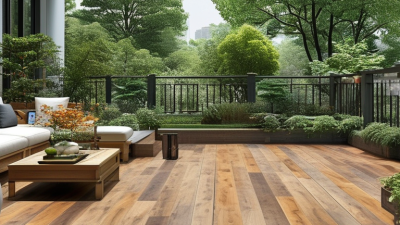
WPC decking combines wood fibres with plastic polymers to create outdoor boards. It offers a timber-like appearance with more consistent dimensions. During practical site checks, installers often value its resistance to moisture, insects, and splintering. It can suit patios, balconies, and poolside areas.
Its main benefit is lower routine maintenance. Most surfaces need water, mild soap, and a soft brush. Correctly installed boards also handle seasonal movement better than many untreated timber products. However, WPC is not maintenance-free. Dark boards can become uncomfortable under strong summer sunlight. Poor ventilation may trap moisture beneath the deck. Scratches are difficult to sand away, and some boards fade during their early seasons. The material can also feel less natural under bare feet. That detail is easy to overlook. Whether it is worth the cost depends on climate, traffic, and installation quality.
Tips: Check the board’s load rating and recommended joist spacing before purchase. Leave proper gaps around edges and between boards. Ask for a sample and place it outdoors for several days. Inspect drainage after rain, especially near walls. Choose lighter colours for hot regions. Keep spare boards, because matching older surfaces later may be difficult.
Is WPC Decking Worth the Investment for Your Outdoor Space?
What Is WPC Decking and Is It Worth It?
WPC decking combines wood fibers with recycled or virgin polymers. It looks like timber, but it resists moisture, insects, and surface splintering. In real use, that means fewer weekend tasks around wet boards and peeling coatings. However, WPC is not maintenance-free. Dust gathers between grooves, and darker boards can become hot under direct summer sunlight.
Is WPC decking worth the investment? Often, yes, when long-term convenience matters more than the lowest purchase price. Grand View Research reported that the global wood-plastic composite market was valued at approximately US$7.4 billion in 2023. Its forecast also indicates strong growth through 2030, supported by outdoor construction demand. The National Association of Realtors’ Remodeling Impact Report has placed composite deck cost recovery at roughly 63% in some U.S. markets. That is useful evidence, but resale value changes by climate, workmanship, and neighborhood expectations. I would not treat the figure as guaranteed.
Tips:
Request samples before ordering. Place them outside for several days. Touch them at noon. Check for color changes after rain. Ask installers about joist spacing, drainage, and hidden fasteners. A poorly ventilated deck can still develop stains or movement. WPC may reduce repainting, but it can cost more initially and may feel less natural under bare feet. My own hesitation is simple: recycled content sounds reassuring, yet local recycling options for old boards remain limited. Check the manufacturer’s environmental documentation and warranty terms carefully.

 Hot Selling