Shandong Xiangying New Materials Technology Co., Ltd.

Wpc Wall Cladding has become an essential element in modern architecture. As we approach 2026, global buyers are increasingly focused on innovative designs and sustainable materials. This trend reflects a shift towards eco-friendly construction practices. Wpc Wall Cladding offers both aesthetic appeal and practical benefits, such as weather resistance and durability.
Many buyers are seeking versatile options for their projects. They want materials that provide visual interest while being easy to maintain. Wpc Wall Cladding fulfills these criteria and more. The rich textures and colors available allow for creative expression in both residential and commercial settings.
However, challenges remain in selecting the right products. Not all Wpc Wall Cladding options offer the same quality or environmental benefits. Buyers must navigate a sea of choices to find reliable suppliers and durable materials. Exploring the latest trends and innovations can provide insights into what works best for specific needs. Staying informed about industry developments will ultimately lead to better purchasing decisions.
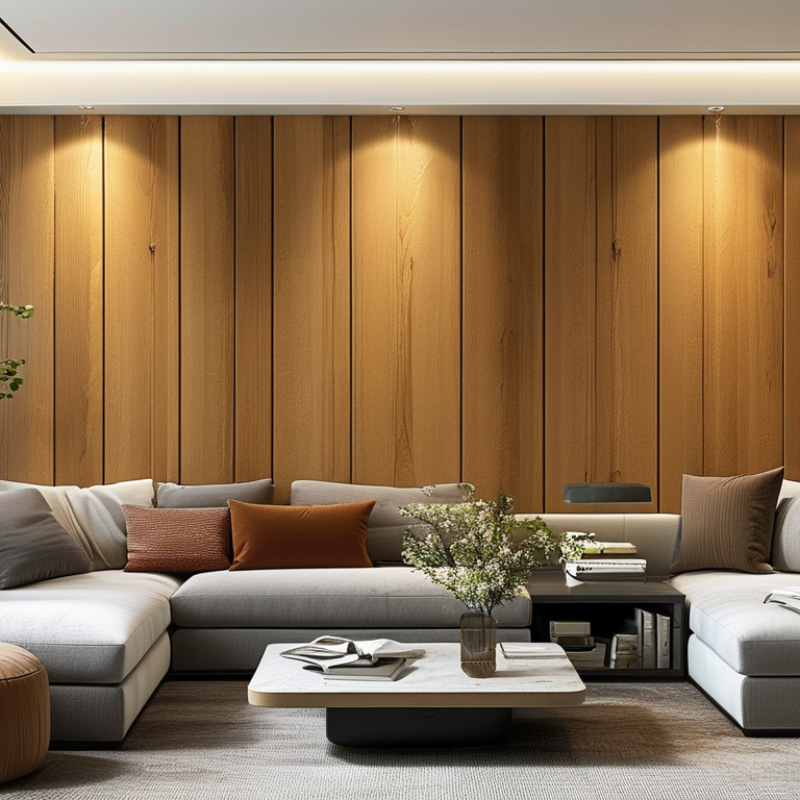
The global market for WPC wall cladding is evolving rapidly. According to recent industry reports, the WPC market is projected to grow significantly, with an estimated compound annual growth rate (CAGR) of 10% by 2026. This growth is driven by increasing demand for sustainable building materials. More consumers are choosing WPC options due to their durability and eco-friendliness.
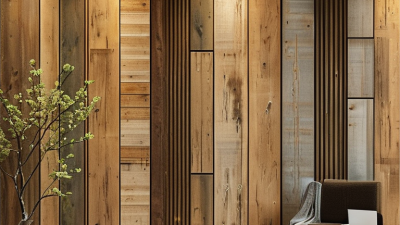
Design trends suggest a shift towards more natural aesthetics. Popular finishes mimic wood patterns, providing a warm feel while maintaining low maintenance needs. Additionally, modular designs are gaining traction, allowing for easier installation and flexibility in architectural designs. Homeowners appreciate options that blend style and functionality.
Tips: When selecting WPC cladding, consider the thickness and density. Thicker boards often yield better insulation properties. Assess aging characteristics too, as some products may fade over time. Also, pay attention to the environmental certifications. They can guide you towards truly sustainable options.
WPC (Wood-Plastic Composite) wall cladding is gaining traction in sustainable building practices. This material blends wood fibers with plastic, creating a strong, versatile product. According to a report by Smithers Pira, the global market for WPC is projected to reach $5 billion by 2026. This surge indicates a rising demand for eco-friendly materials in construction.
One notable advantage of WPC wall cladding is its durability. Unlike traditional wood, WPC is resistant to moisture, rot, and pests. This can lead to lower maintenance costs and longer lifespan for building exteriors. A study from the American Society of Landscape Architects indicated that buildings utilizing sustainable materials like WPC can save up to 30% on maintenance over ten years. Such figures highlight the importance of choosing resilient materials for modern architecture.
Moreover, WPC wall cladding offers aesthetic flexibility. It can mimic natural wood finishes while providing the benefits of plastic. Many consumers appreciate the appearance without the environmental impact. However, it's crucial to ensure proper installation and quality control, as poor craftsmanship can undermine its advantages. While WPC is promising, continuous innovation remains key to overcoming these challenges in sustainable building.
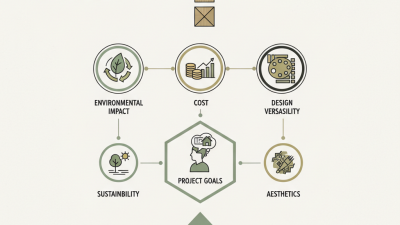
This chart illustrates the key advantages of WPC wall cladding trends projected for 2026. The advantages listed, such as eco-friendliness and durability, showcase how WPC can contribute to sustainable building practices, making it an attractive option for global buyers.
As we navigate through 2026, WPC wall cladding designs emerge as innovative and versatile solutions for various architectural needs. This year embraces a blend of natural aesthetics and modern functionality. Homeowners are increasingly drawn to materials that not only look good but also offer durability and sustainability. Natural wood finishes mixed with vibrant colors are trending, creating an appealing yet practical exterior.
The minimalist design continues to shine this year. Clean lines and simple patterns enhance the visual appeal of homes while ensuring easy maintenance. Furthermore, enhanced textures are gaining attention. From embossed surfaces to unique grain patterns, they add depth and interest. Such details help personalize spaces in a meaningful way, but they can also make design decisions quite challenging.
Tips: Consider how colors affect mood. Earthy tones create warmth, while brighter shades add energy. Reflect on what atmosphere suits your space best. Always keep functionality in mind; some textures may require more upkeep. Embrace experimentation but stay grounded in realism; stunning designs should not be burdensome.
| Trend | Description | Color Options | Application Areas | Sustainability Feature |
|---|---|---|---|---|
| Natural Wood Finish | A finish that mimics the appearance of real wood, ideal for enhancing outdoor aesthetics. | Teak, Cedar, Walnut | Residential exteriors, pergolas, fences | Made from recycled materials |
| Textured Surfaces | Incorporates patterned designs for a more dynamic look, often used for feature walls. | Charcoal, Sand, Ocean Blue | Commercial buildings, offices, lobbies | Low maintenance and longevity |
| Bold Colors | Using striking hues to create standout features that capture attention. | Bright Red, Emerald Green, Deep Yellow | Public spaces, restaurants, cafes | Eco-friendly dyes used |
| Vertical Cladding | Provides a modern aesthetic by using vertical planks to enhance the perception of height. | Classic Gray, Rustic Brown | Residential facades, high-rise buildings | Recycled plastic composites |
| Integrated Lighting | Cladding designed with built-in lighting features for illuminating spaces effectively. | N/A | Walkways, entryways, galleries | Energy-efficient LED lights |
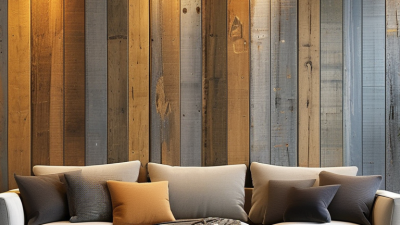
In 2026, WPC wall cladding trends highlight innovative colors and textures that appeal to global buyers. Reports indicate that 45% of consumers prioritize aesthetics when choosing cladding materials. Rich, earthy tones like deep browns and charcoal are gaining popularity, providing a warm, inviting ambiance to modern spaces.
Textures play a crucial role in WPC design. Most buyers now prefer textured finishes that mimic natural wood or stone, with a reported 30% increase in demand for these options. The combination of color and texture enhances the overall experience, offering not just visual appeal but also tactile engagement.
Tips: Consider contrasting colors in your design. A light cladding can brighten a small space, while darker hues create drama. Don't shy away from mixing textures either; combining smooth and rough finishes can add depth. Balancing these elements involves careful planning, reflecting both personal taste and current trends. It’s essential to evaluate the long-term durability alongside aesthetic choices to ensure satisfaction over time.
WPC wall cladding is evolving rapidly, driven by innovative technologies. New materials are now more durable and environmentally friendly. Manufacturers are integrating recycled plastics, improving sustainability. This change benefits the planet and meets consumer demand for eco-friendly products.
The rise of smart technology is changing installations. Automated systems ensure precise fitting and reduced labor costs. They can also monitor the durability of cladding over time. This connection to technology offers insights into maintenance, prolonging the life of the product. It raises questions: are we relying too much on technology?
Tip: Always check the certifications of WPC products. Knowing their origin can assure quality and credibility. Consumers should prioritize products that provide transparency. It’s important to research and understand material properties before making a purchase.
As designs become more customizable, consumers face a multitude of choices. Some options may look appealing but lack durability. Reflecting on aesthetic versus functionality is crucial. We must ask ourselves: what will truly last? Balancing design and performance is key to making a wise investment in WPC wall cladding.