Top 2026 WPC Panel Trends Every Global Buyer Should Know?
As global demand for sustainable building materials increases, WPC Panels have emerged as a key player in the construction industry. According to the recent report by Smith Research, the WPC Panel market is projected to grow by over 12% annually by 2026, driven by rising environmental awareness and innovation. Professionals are keenly observing these trends.
John Anderson, a recognized expert in composite materials, states, "WPC Panels will redefine standards in building design and durability." His insights reflect the industry's shift towards sustainable solutions. This year, buyers must consider rising trends, such as enhanced durability and eco-friendliness in WPC Panels.
While these advancements promise great potential, challenges persist. Quality variations can lead to confusion among clients. Transparency in sourcing and manufacturing processes is critical. As the industry evolves, understanding these complexities will empower buyers to make informed decisions. The journey toward optimal WPC solutions is ongoing, and reflection on past practices can shape a better future.
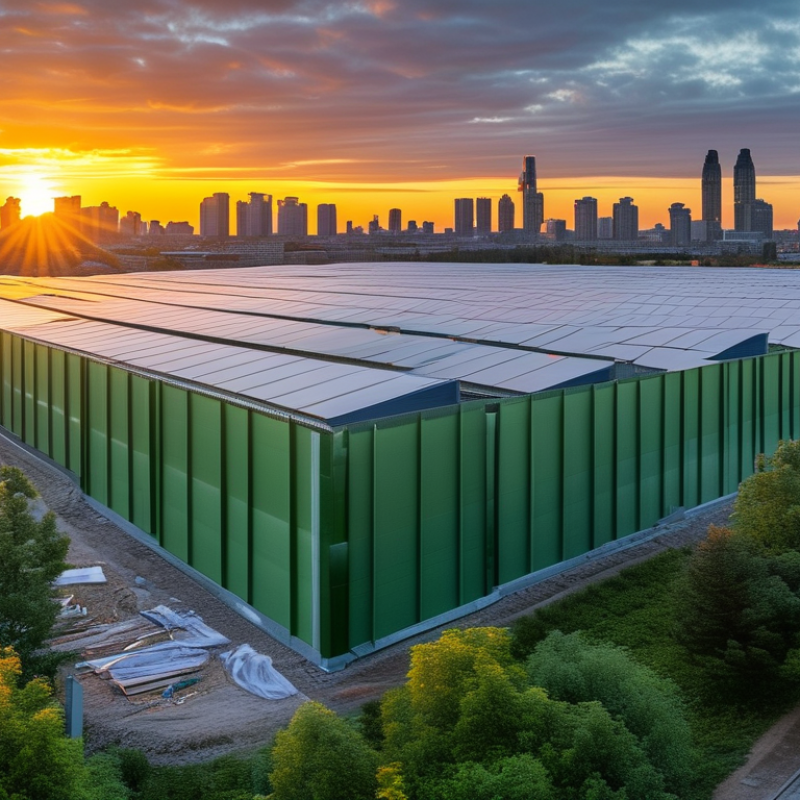
Key Trends Driving Innovation in WPC Panels for 2026
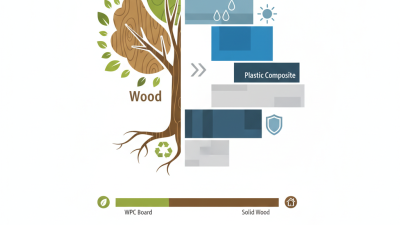
As we look towards 2026, the trends shaping WPC (Wood Plastic Composite) panels are fascinating. Environmental sustainability is a key concern. Manufacturers are exploring new ways to create panels using recycled materials. This not only reduces waste but also cuts down production costs. However, achieving the right balance between performance and environmental impact poses challenges.
Another trend is the increasing demand for customization. Buyers seek panels that fit unique architectural designs. Options like textures, colors, and finishes are gaining popularity. Custom solutions can enhance aesthetics but may complicate supply chains. Companies need to ensure they can deliver on these requests without sacrificing quality.
Technological advancements are revolutionizing WPC panel production. Innovations in extrusion processes are improving durability and reducing the weight of panels. Yet, these advances come with a learning curve. Training staff to adapt to new technologies can be daunting. It's vital for manufacturers to invest in skilled labor to harness these innovations effectively.
Sustainability: Eco-Friendly Materials in WPC Panel Manufacturing
The WPC (Wood-Plastic Composite) panel industry is increasingly leaning towards sustainability. Eco-friendly materials are now at the forefront of manufacturing practices. According to recent reports, approximately 70% of WPC manufacturers are adopting recycled materials in their products. This shift not only reduces waste but also lowers the carbon footprint associated with production.
Using materials like recycled wood and plastic helps create durable panels. These panels can meet diverse design needs while maintaining environmental integrity. Research indicates that eco-friendly WPC panels can be up to 30% lighter than traditional materials, making them easier to handle and install. However, the industry still faces challenges.
Finding reliable suppliers of recycled materials is one issue. Not all recycled plastics meet the required standards for strength and durability. Additionally, not all manufacturers are transparent about their sourcing processes. As buyers, it is essential to question the sustainability claims made by producers. Understanding the entire lifecycle of WPC panels will ensure better purchasing decisions.
Design Aesthetics: Contemporary Styles and Customization Options
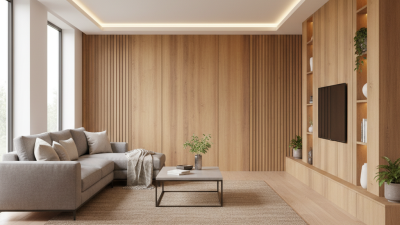
In the evolving world of WPC panels, design aesthetics are crucial. Contemporary styles are gaining popularity among global buyers. Customization options boost appeal significantly. According to a recent market analysis report, over 70% of consumers prioritize unique design features in their interior projects. This trend highlights the importance of personalization in today's market.
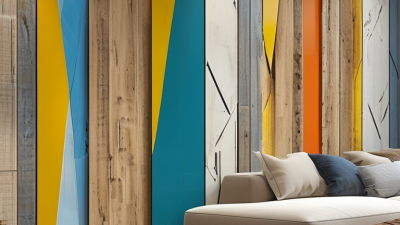
To effectively meet consumer demand, manufacturers should focus on innovative design elements. Textures, colors, and finishes can create a distinctive look. Reports indicate that textured surfaces are growing by 30% annually in preference. Buyers should explore different combinations to enhance visual interest and match varying architectural styles.
Tip: Consider integrating natural elements, such as wood grain patterns, for a warm atmosphere.
Sustainability also plays a role in design. Eco-friendly materials are increasingly sought after. This shift reflects a broader consumer trend towards responsibly sourced products. But be cautious; not all sustainable claims are genuine.
Tip: Verify certifications to ensure the materials meet environmental standards.
Embracing these contemporary styles can improve project outcomes, but they require careful consideration. Getting the balance right is key to satisfying customer expectations in the competitive WPC panel market.
Top 2026 WPC Panel Trends: Design Aesthetics
Technological Advancements: Smart Features in WPC Panel Products
Technological advancements are driving innovation in WPC panel products. Smart features are becoming essential for modern applications. These enhancements include humidity sensors and temperature controls. They ensure panels adapt to their environment and maintain durability.
Integrating smart technology into WPC panels offers numerous benefits. Monitoring conditions can prevent warping or damage. This technology helps in maintaining the quality of installations. It also allows for better energy efficiency. As consumers become more environmentally conscious, sustainable smart panels are a growing trend.
Tips: When selecting WPC panels, consider those with built-in sensors. They could save money in maintenance. Pay attention to panel design for aesthetic appeal. Blending functionality and beauty will enhance your projects.
Global Market Insights: Regional Trends and Consumer Preferences for WPC Panels
The global market for WPC panels is evolving rapidly. Regions show distinct preferences affecting consumption. Europe leads with a strong demand for eco-friendly materials. According to recent analyses, this regional focus supports the estimated growth rate of 8.5% in the WPC market through 2026.
In North America, durability and low maintenance are critical factors for buyers. Reports indicate that over 75% of consumers prefer WPC panels for outdoor applications. These preferences shape product innovations, pushing manufacturers to enhance quality and sustainability practices. Buyers in emerging markets are also becoming more discerning. They seek affordability without sacrificing performance, adding pressure on suppliers to adapt.
Consumer awareness of environmental impacts is rising. A recent survey found that nearly 60% of buyers consider sustainability a top priority. However, inconsistencies in material sourcing raise concerns about the authenticity of eco-friendly claims. This inconsistency highlights a market gap in transparency. Future trends will likely revolve around clearer labeling and certifications to assure buyers of their choices.
Top 2026 WPC Panel Trends Every Global Buyer Should Know
| Region |
Market Share (%) |
Growth Rate (%) |
Main Applications |
Consumer Preferences |
| North America |
30% |
6.5% |
Decking, Fencing, Furniture |
Sustainability, Aesthetics |
| Europe |
25% |
5.8% |
Flooring, Wall Cladding |
Eco-friendliness, Durability |
| Asia-Pacific |
35% |
7.2% |
Outdoor Structures, Interiors |
Versatility, Cost-effectiveness |
| Latin America |
5% |
4.5% |
Furniture, Construction |
Affordability, Style |
| Middle East & Africa |
5% |
5.0% |
Decorative Panels, Exterior Applications |
Innovative Designs, Customization |

 Hot Selling