Shandong Xiangying New Materials Technology Co., Ltd.

Choosing the right Wall Panel Wpc is more than matching a color to a sofa. It involves moisture, sunlight, surface texture, installation conditions, and long-term maintenance. A panel may look excellent in a showroom, yet behave differently beside a steamy bathroom or a bright window. Small details matter.
“Good WPC selection begins with the room’s real demands, not the sample’s first impression,” says materials consultant Dr. Elena Marlow, who advises on decorative wall systems and interior material performance. Her observation is practical. Buyers should compare core density, surface coating, panel thickness, edge quality, and locking accuracy. They should also request technical data, warranty terms, cleaning guidance, and independent fire or emissions documentation where appropriate. Vague promises deserve questions.
This guide presents ten useful tips for choosing the best Wall Panel Wpc for residential and commercial interiors. It considers appearance, moisture resistance, dimensional stability, acoustic expectations, installation tools, supplier support, and total cost. The cheapest option can become expensive after warped edges, difficult cutting, or replacement orders. That part is easy to underestimate.
Look closely.
A sensible decision also includes checking the wall condition before ordering. Uneven masonry, hidden dampness, or poor ventilation can reduce performance, even when the panel itself is well manufactured. I have seen attractive designs lose their appeal when installers ignored expansion gaps. That is an uncomfortable lesson, but a valuable one. Reliable results come from combining credible specifications, experienced installation, and honest expectations. The following tips help turn a promising sample into a practical wall solution.
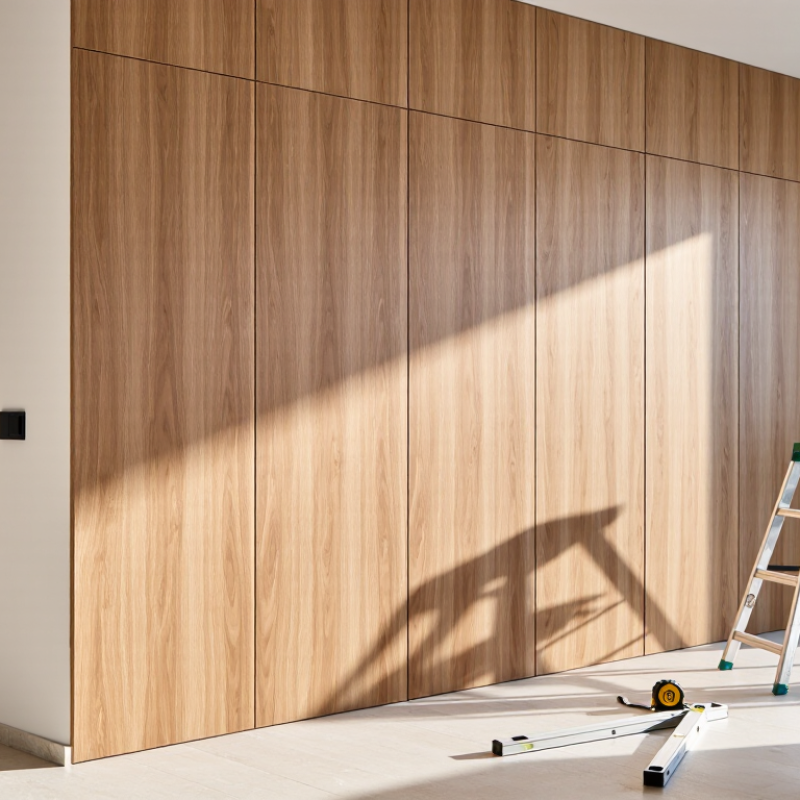
Wood-plastic composite (WPC) panels combine wood fiber or flour with thermoplastic resin and performance additives. The ratio matters. More wood may improve texture, but it can increase moisture movement. More polymer can improve water resistance, yet may reduce natural feel. Grand View Research estimated the global WPC market at roughly US$7 billion in 2022, with building products driving substantial demand through 2030.
When choosing a panel, check ten details: composition, density, thickness, dimensional tolerance, surface coating, color stability, moisture absorption, fire classification, emissions testing, and installation method. Ask for current technical reports, not only attractive samples. Look for testing under standards such as ASTM E84, EN 13501-1, or ISO 4892-3, when relevant. A bathroom sample should show sealed edges, stable joints, and no swelling after controlled exposure.
Touch the surface.
Inspect the core.
A stone-look finish can hide a weak substrate. Check whether the locking system needs battens, adhesive, or mechanical fasteners. Confirm screw spacing and expansion gaps before installation. Research from the Freedonia Group identifies construction applications as a major WPC demand area, but market growth does not guarantee equal panel quality. I would also question unusually low prices. They may reflect thinner cores, recycled fillers, or limited testing. WPC is moisture-resistant, not automatically waterproof. That distinction is easy to miss.
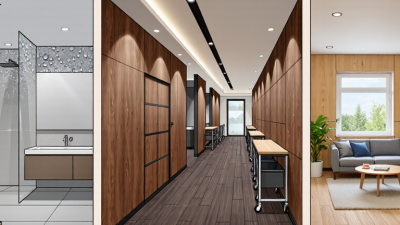
10 Tips for Choosing the Best WPC Wall Panel
Panel quality starts with measurable evidence, not a glossy surface. Check thickness, density, moisture absorption, impact resistance, and screw-retention results. Ask for independent testing under relevant ASTM or EN methods. A clear batch number also improves traceability.
Tip 1: Inspect the panel edge for voids and uneven blending. Tip 2: Request UV and freeze-thaw test data. Tip 3: Compare thermal expansion values with your local climate. Tip 4: Confirm the fire classification before installation. Tip 5: Examine the warranty conditions carefully. A long warranty means little without installation limits.
Durability should match the room’s real conditions. For a humid bathroom, water absorption and dimensional stability matter more than decorative texture. Outdoor walls need stronger UV evidence and reliable fastening guidance. I still treat laboratory figures cautiously; poor ventilation or incorrect spacing can shorten service life. Tip 6: Review maintenance instructions. Tip 7: Check replacement-panel availability. Tip 8: Prefer documented production quality controls.
Environmental performance requires more than recycled content claims. Look for verified recycled percentages, responsible material sourcing, and an Environmental Product Declaration following ISO 14025 principles. The 2023 Global Status Report for Buildings and Construction reported that buildings used 34% of global energy and produced 37% of energy and process-related carbon dioxide emissions in 2022. Tip 9: Compare product-level carbon data. Tip 10: Ask whether the panel can be separated and recovered at end of life. This is often overlooked. Tackle transport distance, packaging, VOC emissions, and disposal assumptions before choosing.
Evaluating panel quality, durability, and environmental performance
This practical weighting framework allocates 100% of the purchasing decision across material quality, long-term durability, installation considerations, and environmental performance. Buyers should verify each item through technical datasheets, independent test reports, and applicable local standards.
Choosing the best WPC wall panel begins with the room, not the catalogue. Grand View Research valued the global WPC market at USD 7.49 billion in 2023, with continued growth forecast through 2030. More choices can create confusion. Start by identifying the room’s light, moisture, furniture, and daily traffic.
Sample colors beside the actual floor. Daylight can expose unwanted yellow or blue undertones. Use warm oak textures with cream, sand, or muted green interiors. Pair cool gray panels with charcoal, white, or pale blue details. Keep bold grain on one feature wall. Use quieter textures elsewhere. Vertical lines can make a low ceiling feel taller. Horizontal lines can widen a narrow hallway. Consider the 60-30-10 color balance, but do not treat it as a strict law. Real rooms rarely behave perfectly.
Texture should match the interior’s visual weight. Deep relief suits large walls, while fine grooves work better in compact spaces. Check samples at morning, afternoon, and evening. Always inspect edge trims and joint visibility. A beautiful panel can look unfinished beside poor transitions. Confirm moisture resistance for kitchens and bathrooms. Review emissions, fire performance, cleaning requirements, and installation tolerances. The U.S. EPA’s Indoor airPLUS specifications emphasize moisture control and low-emitting materials in healthier homes. Ask for test documents, not vague promises. Create a one-square-metre mock-up first. I once underestimated shadow lines; the installed wall appeared darker than the sample. That mistake deserved a second review.
| No. | Selection Tip | Color and Texture Guidance | Best Interior Application | Practical Check | Expected Visual Effect |
|---|---|---|---|---|---|
| 1 | Assess the room size | Use light oak, pale grey, or warm beige tones in compact rooms. Medium or dark finishes can be used more confidently in larger spaces. | Small bedrooms, narrow hallways, apartments, and low-ceiling rooms. | Compare a full-size sample against the wall rather than judging only from a small color card. | Lighter finishes make a space feel more open; deeper colors add visual weight and intimacy. |
| 2 | Match the existing color palette | Coordinate the panel undertone with flooring, cabinetry, upholstery, and trim. Warm panels work best with warm whites and natural wood; cool panels pair well with blue-grey or crisp neutral tones. | Living rooms, open-plan areas, kitchens, and offices with established furnishings. | Place samples beside the three largest fixed finishes in the room. | A consistent undertone creates a coordinated interior instead of a mismatched collection of colors. |
| 3 | Choose the grain direction | Vertical grooves emphasize height, while horizontal lines can make a wall appear wider. Slatted designs provide stronger linear definition than subtle woodgrain boards. | Feature walls, entryways, dining areas, bedrooms, and reception spaces. | Review the panel orientation against door frames, windows, and ceiling lines. | Directional lines can visually adjust proportions and improve the wall's architectural rhythm. |
| 4 | Balance texture with furniture | Use pronounced 3D grooves with simple furniture. Pair subtle embossed grain with visually rich textiles or patterned décor. | Media walls, lounges, restaurants, bedrooms, and commercial interiors. | Count the main patterns already present in the room, including rugs, curtains, and upholstery. | Balanced texture prevents the room from looking either flat or visually crowded. |
| 5 | Consider natural and artificial light | Warm lighting enhances honey, walnut, and beige tones. Cool lighting can make grey or blue-based finishes appear sharper and brighter. | Rooms with large windows, recessed lighting, LED strips, or limited daylight. | View samples in morning, afternoon, and evening lighting whenever possible. | The same panel may appear warmer, cooler, lighter, or darker as the light source changes. |
| 6 | Select a finish suitable for the room function | Matte and low-sheen surfaces generally hide minor marks better than highly reflective finishes. Choose a moisture-resistant specification for areas exposed to occasional humidity. | Bedrooms, living rooms, corridors, bathrooms, utility areas, and covered commercial spaces. | Confirm the product's intended-use instructions, cleaning guidance, and moisture limitations. | The correct finish improves both long-term appearance and day-to-day practicality. |
| 7 | Coordinate panel width with wall scale | Narrow slats create a detailed, rhythmic look. Wider boards provide a calmer appearance and reduce the number of visible joints. | Large feature walls, compact accent areas, retail interiors, and office partitions. | Calculate panel quantity, joint positions, and the effect of cuts around sockets and corners. | Proportionate panel dimensions make the installation look intentional and reduce visual clutter. |
| 8 | Use contrast strategically | Combine a darker panel with light furniture for definition, or use a panel close to the wall color for a quiet, seamless effect. Avoid too many high-contrast elements in one view. | TV walls, headboards, reception desks, dining walls, and architectural niches. | Check the contrast against permanent items that cannot easily be replaced. | Controlled contrast creates a focal point without overwhelming the overall design. |
| 9 | Review edge, corner, and joint details | Choose matching trims or a deliberate contrasting trim. Consistent joint spacing is especially important for grooved and slatted designs. | Full-height installations, external corners, alcoves, columns, and door reveals. | Request installation profiles and confirm how outside corners, inside corners, and end cuts will be finished. | Well-planned details make the wall look refined rather than improvised. |
| 10 | Check samples and installation requirements | Compare color consistency, surface texture, board dimensions, and finish quality across multiple pieces before making a final choice. | Any residential or commercial project requiring a consistent finished appearance. | Verify wall flatness, required tools, cutting method, fixing system, ventilation, and planned material allowance. | Early verification reduces installation delays, visible inconsistencies, and avoidable material waste. |
Choosing the Best WPC Wall Panel: Installation, Maintenance, and Safety
Tip 1: Check the installation method before judging appearance. Some WPC wall panels use clips, while others require screws or adhesive. Measure the wall carefully, including corners, outlets, and uneven sections. I have found that a small leveling error becomes obvious across a long panel. Leave the expansion gap recommended by the manufacturer. WPC can move slightly with temperature changes. Do not force tight joints.
Tip 2: Study the maintenance needs in real conditions. A smooth surface usually needs only a soft cloth, warm water, and mild detergent. Avoid abrasive pads, strong solvents, and excessive pressure near the seams. In humid rooms, inspect the lower edges regularly. Trapped moisture can damage the wall behind the panels, even when the surface looks fine. This is easy to overlook. Ventilation matters more than many product descriptions suggest.
Tip 3: Treat safety as a practical inspection, not a checkbox. Choose panels with documented fire-performance information and stable structural testing. Ask whether the surface resists moisture, impact, and discoloration. Check that fasteners remain secure after installation. Keep panels away from direct heat sources unless their rated distance is clear. Wear gloves and eye protection when cutting them. I once underestimated fine dust during trimming; that was a mistake. Reliable installation also requires clean tools, accurate spacing, and a final check around electrical fixtures.
Price should be compared per installed square metre, not per box. Include trims, fasteners, delivery, cutting waste, and labor. Price is not performance. Grand View Research estimated the global wood-plastic composites market at about USD 7.1 billion in 2023, with continued growth through 2030. Fortune Business Insights reported a different 2023 estimate, near USD 7.2 billion, because its scope and methods differ. That difference deserves attention. Ask each supplier for panel density, thickness tolerance, moisture behavior, recycled content, and recent batch samples. A reliable supplier should provide factory addresses, production capacity, export references, and clear quality-control records. I once compared only catalog prices and overlooked matching trims; the final cost changed noticeably.
Read the warranty line by line. Check coverage periods, color-fade limits, installation requirements, geographic restrictions, and exclusions for moisture or improper storage. A long warranty means little without a written claims process. Request independent laboratory reports, not only internal test sheets. Depending on the market, useful evidence may include ASTM E84 or EN 13501-1 fire classification, dimensional stability testing, slip or impact data, and emissions testing. Verify report numbers, test dates, specimen thickness, and whether results apply to the exact panel model. ISO 9001 can indicate a quality-management system, but it does not certify product performance. Compare at least three suppliers using the same specification sheet. Some quotations look cheaper because accessories and testing are missing. That is where careful judgment matters.