Top 10 Veneer Wall Panels from China for Your Projects?
Veneer Wall Panels have become a popular choice in interior design and construction. According to a report from Grand View Research, the global wood panel market is expected to reach $250 billion by 2024, with veneer panels playing a crucial role in this growth. Their aesthetic appeal combined with sustainable options drives demand among architects and designers.
In recent years, the versatility of Veneer Wall Panels has captured attention across various sectors, including residential and commercial projects. These panels are not only lightweight but also offer a wide range of finishes and textures. However, choosing the right product can be challenging due to the saturation of the market. Some options may not meet durability standards or environmental certifications.
Understanding the best Veneer Wall Panels for your specific needs is essential. Research indicates that buyers should consider quality, sourcing, and environmental impact. Thoughtful selection can enhance both the functionality and beauty of a space. The right panel can transform environments, but failing to choose wisely may lead to costly mistakes later.
Understanding Veneer Wall Panels: Definition and Benefits
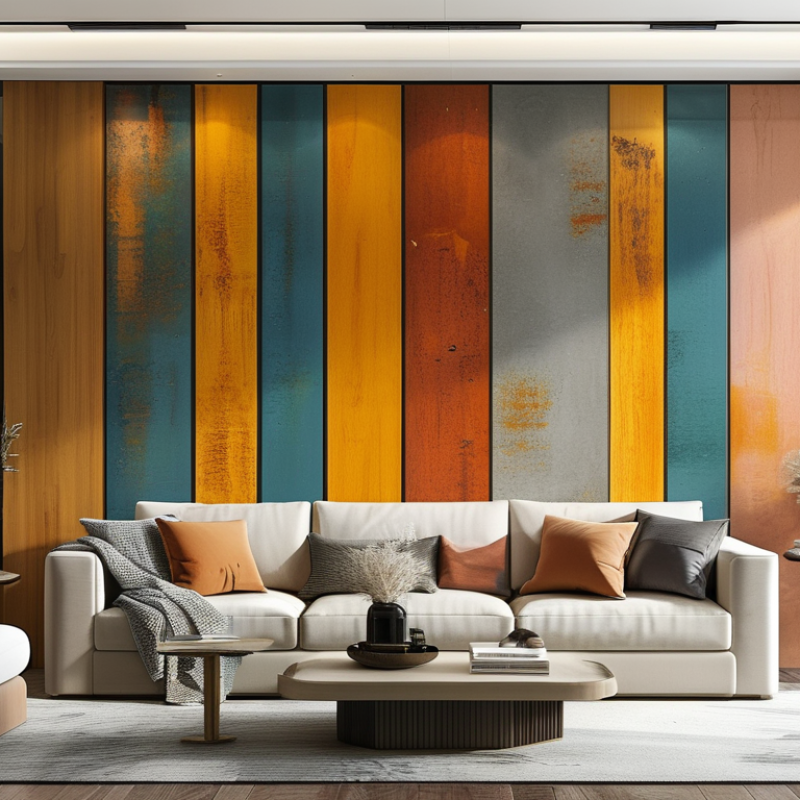
Veneer wall panels are a popular choice for enhancing interior spaces. They are thin slices of real wood bonded to a core material, offering an elegant finish. This results in a natural look and feel, making environments more inviting. Their lightweight nature simplifies installation, reducing overall labor costs.
One of the main benefits is versatility. Veneer panels can adapt to various design styles, from modern to traditional. They offer a warm aesthetic, which can make a stark room feel cozier. While the beauty of veneer is undeniable, durability can sometimes be a concern. Scratches and wear can show more easily than with solid wood.
Additionally, veneer wall panels are often more environmentally friendly. They use less wood while achieving the same appearance. However, not all veneer is created equal. It's important to research quality and sourcing for a reliable product. Consider the long-term implications of your choice.
Top 10 Veneer Wall Panels from China for Your Projects
Key Factors to Consider When Selecting Veneer Wall Panels
Selecting veneer wall panels can significantly influence the aesthetic and functional aspects of your projects. One key factor to consider is the type of veneer. Natural wood veneer offers authentic charm, while reconstituted veneer can provide consistency and sustainability. According to a report by the Wood Products Manufacturers Association, nearly 70% of architects prefer natural materials for interior design. Understanding these preferences can guide your choices in creating spaces that resonate with clients.
Another critical aspect is the thickness of the veneer. Thicker panels often provide better durability, resisting wear and tear. For instance, panels with a thickness of 0.5mm or greater can last longer in high-traffic areas. A study by the Forest Products Laboratory showed that thicker veneer not only enhances longevity but also maintains a premium appearance over time. However, sourcing thick veneer might come with cost implications.
Consider sourcing from reputable suppliers who can guarantee quality. Research shows that nearly 40% of low-quality veneer panels lead to issues like peeling or color fading. Prioritize panels certified by recognized organizations to ensure reliability. Regular quality checks during installation can also prevent future complications. Balancing between cost, quality, and aesthetics can lead to a more satisfying outcome in your projects.
Top 10 Veneer Wall Panels from China: Overview and Features
Veneer wall panels have gained popularity in interior design. They offer a natural wood appearance without the high costs of solid wood. These panels are made from thin slices of wood glued onto a core. This construction maintains the beauty of wood while enhancing durability. Many homeowners and designers choose veneer panels for their projects.
When selecting veneer panels, consider the wood species and finish. Different woods offer unique grain patterns and colors. Some species may be more resistant to wear, while others provide a more rustic feel. The finish can enhance the panel's appearance and protect it from environmental factors. A matte finish often looks more natural, while a glossy surface can be striking.
Installation methods can vary. Some panels are easy to install with adhesive, while others may require fastening to frames. Some projects might need professional installation for the best results. It’s essential to plan your installation carefully. Consider the lighting and surrounding décor. A cohesive look can elevate any space. Be prepared for potential imperfections in the wood. Each panel can have knots or variations, making every installation unique. Embracing these differences can add character to your project.
Comparison of Manufacturing Techniques for Veneer Wall Panels
When it comes to veneer wall panels, understanding the manufacturing techniques is crucial. One common method is the rotary-cutting process. In this method, a log is rotated against a blade, creating a continuous sheet of veneer. This technique maximizes yield but may produce varying grain patterns. The visual unpredictability can be both a strength and a drawback, depending on design needs.
Another popular technique is slicing, which divides the log into sections. This method provides a more consistent grain pattern, appealing for high-end projects. Yet, it requires more precision, making it potentially costlier. The trade-off between cost and appearance is essential for project managers to consider.
Additionally, backer materials also play a role in veneer panel quality. Some utilize MDF or plywood for stability, while others may choose lightweight options. This can impact your final decision based on the panel's intended application. Not all veneers will fit every aesthetic or functional need, so evaluating options is vital. Each technique brings its own strengths and shortcomings. Understanding these will help in making informed choices for your projects.
Top 10 Veneer Wall Panels from China for Your Projects
| Panel Type |
Thickness (mm) |
Finish Type |
Manufacturing Technique |
Environmental Certification |
Price per Square Meter (USD) |
| Natural Wood Veneer |
4 |
Matt |
Cold Press |
FSC Certified |
25 |
| Bamboo Veneer |
6 |
Glossy |
Hot Press |
PEFC Certified |
30 |
| Reconstituted Veneer |
8 |
Textured |
Lamination |
CARB Compliant |
22 |
| Wood Laminate |
12 |
Satin |
Direct Pressure |
FSC Certified |
18 |
| Engineered Wood Veneer |
5 |
Lacquered |
Sliced |
E1 Standard |
20 |
| Veneered MDF |
10 |
Raw |
Spray Coating |
CARB Compliant |
35 |
| Melamine Coated Veneer |
7 |
Glossy |
Hot Press |
PEFC Certified |
28 |
| PVC Faced Veneer |
9 |
Textured |
Direct Pressure |
FSC Certified |
32 |
| Natural Bamboo Composite |
11 |
Satin |
Lamination |
E1 Standard |
27 |
| Ultra-Thin Veneer |
3 |
Matt |
Cold Press |
CARB Compliant |
23 |
Applications of Veneer Wall Panels in Modern Interior Design
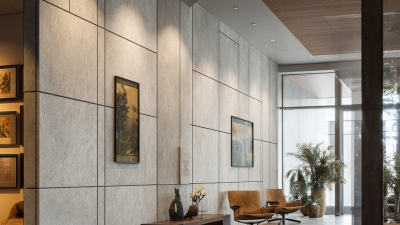
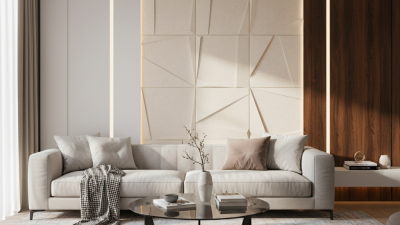
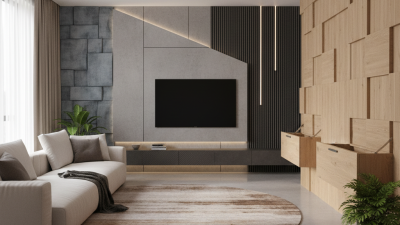
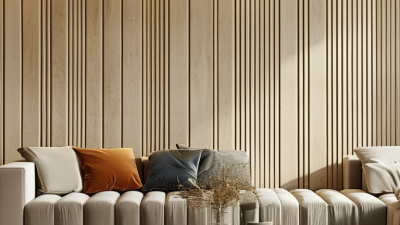
Veneer wall panels have gained popularity in modern interior design due to their versatility and aesthetic appeal. These panels are often made from thin slices of wood, offering the beauty of natural timber without the hefty cost. According to a report by the Wood Products Council, the use of veneer panels has increased by 26% over the past five years in residential and commercial applications.
In interior design, veneer wall panels can transform ordinary spaces into elegant environments. They are used in homes, offices, and retail spaces, creating features that draw attention. Designers appreciate their lightweight nature, making installation easier. In offices, for instance, they can help reduce noise levels while enhancing visual interest. The American Institute of Architects noted that wall panels can improve acoustics by up to 30%, making them ideal for busy environments.
However, not all installations are perfect. There can be issues with durability and maintenance. Veneer panels may require careful treatment to prevent warping or damage over time. Regular maintenance is essential to ensure they remain visually appealing. Thus, while veneer wall panels offer numerous benefits, careful consideration is crucial in their application to achieve lasting results.

 Hot Selling